
The Power of Questioning: How Upbringing Shapes Worldview, Leadership and Acceptance
In an increasingly complex and polarised world, the ability to think independently, embrace nuance, and accept others as they are has never been more important. But where does this mindset come from?
For many, it begins at home.
Growing Up With Questions, Not Answers
Some families prioritise obedience. Others prioritise curiosity.
Being raised in an environment where questioning is encouraged not discouraged fundamentally shapes how we engage with the world. When children are taught to ask why instead of simply accepting what, they develop a deeper understanding of people, systems, and challenges.
This kind of upbringing does more than build intelligence; it builds clarity.
Rather than relying solely on media narratives or second-hand opinions, individuals learn to filter information, analyse perspectives, and arrive at their own conclusions. Over time, this creates a worldview that is less reactive and more reflective.
Seeing the World Beyond Black and White
One of the most profound outcomes of a questioning mindset is the ability to see the world in shades of grey.
Life is rarely binary. People are not simply “right” or “wrong”, “good” or “bad”. When we grow up exposed to diverse viewpoints through family conversations, storytelling, and lived experiences we begin to appreciate complexity.
This perspective fosters:
- Greater empathy
- Reduced judgement
- A willingness to understand before reacting
It becomes easier to accept that others do not need to think, act, or live exactly as we do.
And that is where true tolerance begins.
Watch the complete Podcast on YouTube.
Acceptance Over Control
A powerful realisation that often comes with maturity is this:
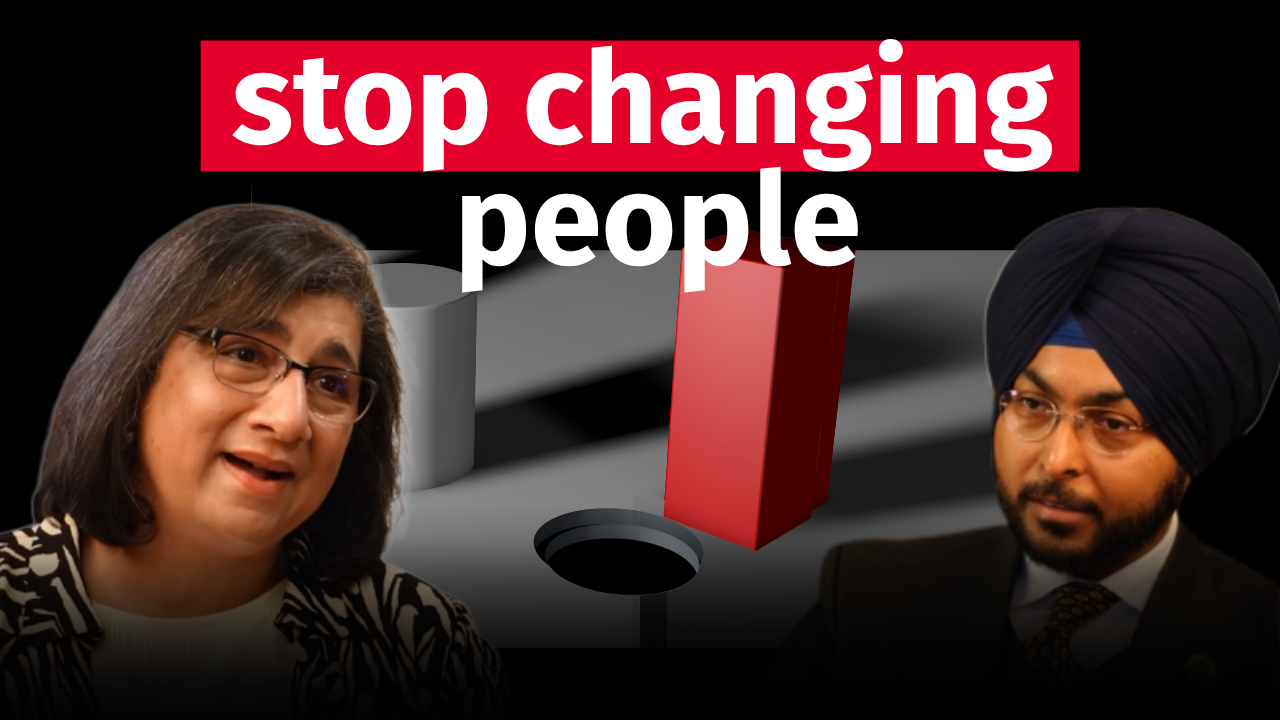
You cannot change people to suit your preferences.
Attempting to do so only leads to frustration. Instead, strong individuals — and strong leaders — learn to:
- Accept people for who they are
- Walk away when values do not align
- Build relationships based on authenticity, not control
This mindset is not passive; it is deeply intentional. It reflects emotional intelligence and respect for individuality.
Leadership Rooted in Understanding
These early lessons extend far beyond personal relationships they shape leadership.
Effective leaders understand that:
- Not everyone fits the same mould
- Strength lies in diversity of thought and ability
- Their role is to align people with the right opportunities, not force conformity
As the saying goes, you cannot fit a square peg into a round hole. But a good leader will find where that square peg truly belongs.
This approach creates environments where people feel seen, valued, and empowered to contribute meaningfully.
The Role of Family and Storytelling
Behind these values often lies a strong support system.
Families that encourage open dialogue, share stories, and expose children to different perspectives help shape resilient, thoughtful individuals. Storytelling, in particular, plays a powerful role — passing down wisdom, context, and cultural understanding across generations.
It is through these everyday interactions that children learn how to think, not just what to think.
Passing Values to the Next Generation
Perhaps the greatest measure of these lessons is how they are carried forward.
When individuals who were raised to question, reflect, and accept others become parents or mentors, they often pass on the same values:
- Tolerance
- Curiosity
- Open-mindedness
- Respect for individuality
In doing so, they contribute to a more inclusive and understanding society.
Clarity Through Curiosity
There is a simple but powerful truth:
The more questions you ask, the clearer life becomes.
You may not always arrive at immediate answers, but through continuous questioning, patterns emerge. Solutions reveal themselves. Decisions become more grounded in logic and understanding rather than impulse.
Curiosity is not just a trait it is a lifelong tool for navigating complexity.
Join Us at Our Upcoming Events
Join Us at the National Child & Family Safety Leadership Summit 2026 will bring together leaders, practitioners, policymakers, researchers and community voices from across the country. This important gathering creates space for meaningful dialogue on the most pressing issues impacting children and families including domestic violence, coercive control, child protection, and community wellbeing.
We look forward to welcoming you to this moving and inspiring celebration of women’s achievements and contributions. Don’t miss this opportunity to hear from one of WA’s most influential scientific leaders, Miquela Riley.