
Introduction
Australia is at a critical point in its national conversation about defence, diplomacy and energy security. As global tensions rise and neighbouring countries continue to display military strength, questions around nuclear weapons, nuclear power and national independence have become more urgent. Should Australia rely on allies for protection, or should it be fully prepared to defend its own borders? Should nuclear power be part of the country’s energy future, or is it being used as a political distraction from renewable energy and gas policy?
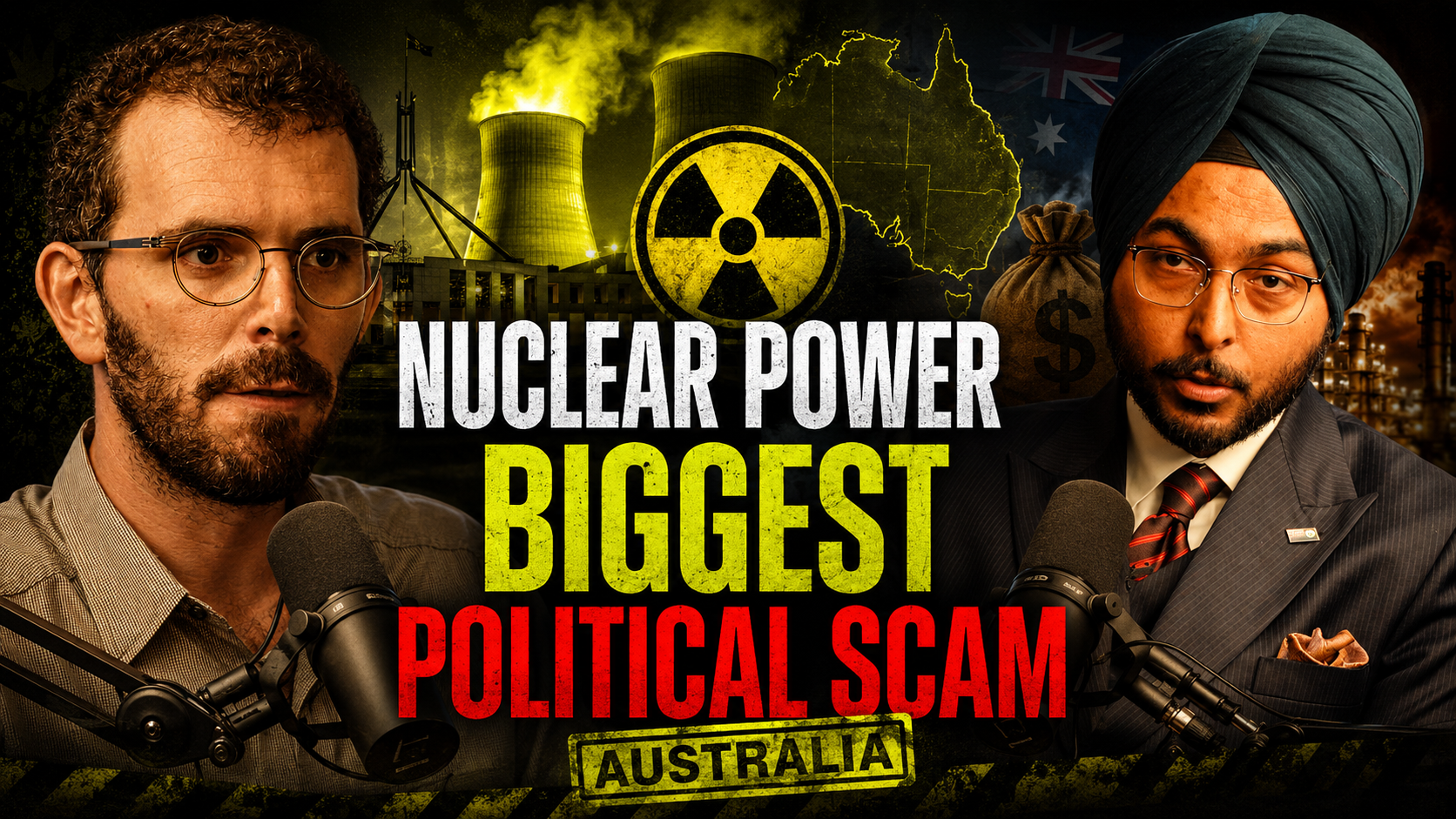
In this conversation, the discussion explores the difference between nuclear weapons and nuclear energy, the importance of diplomatic relationships, especially with China, and whether current nuclear power proposals in Australia are realistic, affordable and practical.
Why Is Nuclear Power Such a Sensitive Topic in Australia?
Nuclear power is not just an energy issue. It is closely connected to defence, national security, public trust and long-term government planning. For many people, the word “nuclear” immediately brings fear because it is associated with nuclear weapons and the possibility of nuclear war.
The guest makes an important distinction: nuclear weapons and nuclear power are different but related conversations. Nuclear weapons represent destruction and fear, while nuclear power is often presented as a possible energy solution. However, both require serious planning, regulation, public confidence and political honesty.
Australia needs to ask not only whether nuclear power is possible, but whether it is practical, affordable and genuinely in the national interest.
Should Australia Focus on Nuclear Weapons for Defence?
The conversation raises a strong question: if a country wants to protect itself, should it rely on allies, or should it build its own military strength?
There are two common approaches to geopolitical stability. One is to maintain strong alliances with countries that already have advanced defence capabilities. The other is to build independent strength and show military power as a warning to potential threats.
The guest’s view is clear: nuclear warfare is a frightening prospect. Rather than pushing the world towards more weapons, there should be a stronger global effort towards nuclear non-proliferation.
This does not mean abandoning defence. A peaceful country still needs to be prepared. But there is a difference between responsible defence planning and escalating the risk of nuclear conflict.
Watch the complete Podcast on YouTube.
Why Nuclear War Remains a Global Fear
Nuclear war is described as a “nightmarish scenario”, and rightly so. It is not just another form of conflict. It carries the potential for mass destruction, long-term environmental damage and devastating human consequences.
The guest reflects a peace-focused position: the world should be less armed, not more armed. This does not mean being naïve about threats. It means recognising that true security is not only built through weapons, but also through diplomacy, cooperation and wise leadership.
In a world where tensions can rise quickly, nuclear non-proliferation remains one of the most important goals for global peace.
Does Australia Need Stronger Defence Independence?
One of the key themes in the conversation is whether Australia should be able to defend its own borders without depending entirely on allies.
The answer is balanced. Alliances are important, but independence also matters. A mature country must have the ability to protect itself, make its own strategic decisions and avoid being overly dependent on external powers.
However, defence independence does not have to mean aggression. It can mean smart investment, strong borders, modern capability, regional partnerships and diplomatic maturity.
A strong country is not only one that can fight. It is also one that knows when to negotiate, when to build trust and when to avoid unnecessary conflict.
Why Diplomatic Relationships with China Matter
The conversation also touches on Australia’s relationship with China. The guest argues that Australia should maintain diplomatic relationships with China, especially because of the strong trade connection and geographic reality.
China is a major regional power and an important trading partner. For Australia, the goal should not be to antagonise or jeopardise that relationship unnecessarily. Diplomatic relationships do not mean agreeing on everything. They mean keeping communication open, managing disagreements carefully and protecting national interests without creating avoidable hostility.
In today’s world, diplomacy is not a weakness. It is a strategic necessity.
Is Australia’s Current Nuclear Power Plan Realistic?
The guest expresses strong doubts about the nuclear power plan being promoted by Peter Dutton and the Liberal Party. The concern is not necessarily about nuclear power in theory, but about whether the current proposal is practical.
The argument is that if someone presents a realistic, detailed and affordable nuclear energy plan, it should be considered seriously. But the current proposal is described as lacking credibility and appearing more like a political cover for continued support of oil and gas.
This is an important point. Energy policy should not be built on slogans. It needs clear timelines, transparent costs, technical feasibility and public accountability.
Is Nuclear Power Being Used as a “Trojan Horse” for Gas?
One of the strongest lines from the discussion is the idea that nuclear power may be acting as a “Trojan horse” for the gas industry.
The concern is that politicians may promote nuclear power as a future solution while continuing to expand gas projects in the present. In other words, nuclear becomes a delay tactic. It allows leaders to say, “We will solve the energy problem later,” while maintaining the status quo today.
For many Australians, this raises a serious question: is nuclear power being proposed as a genuine energy solution, or as a way to slow down the transition away from fossil fuels?
Why Public Ownership of Nuclear Reactors Raises Questions
The guest also points out an interesting contradiction. The Liberal Party is traditionally associated with free markets and economic conservatism. Yet the nuclear proposal appears to involve publicly owned reactors.
This raises questions about political consistency and financial responsibility. If nuclear energy is too expensive or risky for private investors, why should the public carry that burden? If it requires major government funding, Australians deserve a clear explanation of the costs, risks and long-term benefits.
Public ownership is not automatically wrong, but it must be justified honestly.
What Should Australia’s Energy Future Look Like?
Australia’s energy future should be based on practicality, affordability, reliability and environmental responsibility. Nuclear power may be worth discussing, but only through a serious and evidence-based plan.
The country cannot afford energy policy built around political theatre. Australians need clear answers:
How much will it cost?
How long will it take?
Who will pay for it?
What happens to renewable energy investment?
Will it reduce emissions quickly enough?
Is it genuinely about energy security, or about protecting the gas industry?
These are the questions that matter.
Final Thoughts
This conversation highlights the need for maturity in Australia’s national debate. Whether discussing nuclear weapons, defence independence, China, nuclear power or gas, the same principle applies: serious issues require serious thinking.
Australia should be strong enough to defend itself, wise enough to maintain diplomacy and honest enough to build an energy policy based on facts rather than political distractions.
Peace, security and sustainability are not separate goals. They are deeply connected. A mature nation must protect its people, respect its relationships and plan responsibly for future generations.
Join Us at the National Child & Family Safety Leadership Summit 2026
These conversations about safety, leadership, responsibility and the future are not limited to national defence or energy policy. They also shape the way we protect children, families and communities.
Join us for a moving and inspiring National Child & Family Safety Leadership Summit 2026 on 22nd May 2026. This summit will bring together leaders, professionals, advocates and community voices to explore how we can build safer, stronger and more compassionate systems for children and families.
Be part of a powerful conversation that inspires action, leadership and meaningful change.