
Nuclear Energy and Electricity Prices: What Australia Can Learn from Global Case Studies
As electricity prices continue to rise, Australian households and businesses are asking a critical question: how can we stabilise power costs while reducing emissions? The debate around nuclear energy has re-emerged as part of Australia’s long-term energy strategy, particularly as countries such as France and Finland demonstrate how nuclear power can contribute to price stability and energy security.
Energy affordability is no longer a theoretical policy issue. It affects mortgage repayments, small business viability, manufacturing competitiveness and the broader cost of living. With growing electrification from electric vehicles to AI-driven data centres reliable and affordable baseload power has never been more important.
This article explores global case studies, the economics of nuclear energy, and what bipartisan leadership could mean for Australia’s energy future.
Why Energy Price Stability Matters
Electricity is not a discretionary expense. Households depend on it for heating, cooling, refrigeration and communication. Industry relies on it for manufacturing, transport and digital infrastructure.
When wholesale electricity markets fluctuate due to supply shortages or fuel price shocks, consumers ultimately bear the cost. Stable, long-term generation assets can reduce volatility and insulate domestic markets from external disruption.
Nuclear energy, while capital-intensive upfront, offers a distinctive economic model: high construction costs but very low operating costs over decades of production.
Case Study: Finland’s Investment in Long-Term Energy Security
Finland recently brought the Olkiluoto 3 nuclear reactor online one of Europe’s largest reactors. The project experienced delays and cost overruns, often cited by critics of nuclear expansion.
However, once operational, it began supplying substantial, reliable electricity into Finland’s grid. The impact was measurable:
- Reduced reliance on imported electricity
- Greater grid stability
- Downward pressure on wholesale electricity prices
Nuclear’s economic advantage lies in its longevity. Plants are designed for 60–80 years of operation, with some being extended towards 100 years. Once operational, fuel costs are relatively low, and the plant produces continuous, dense energy output.
In effect, Finland traded upfront capital cost for long-term price stability and energy independence.
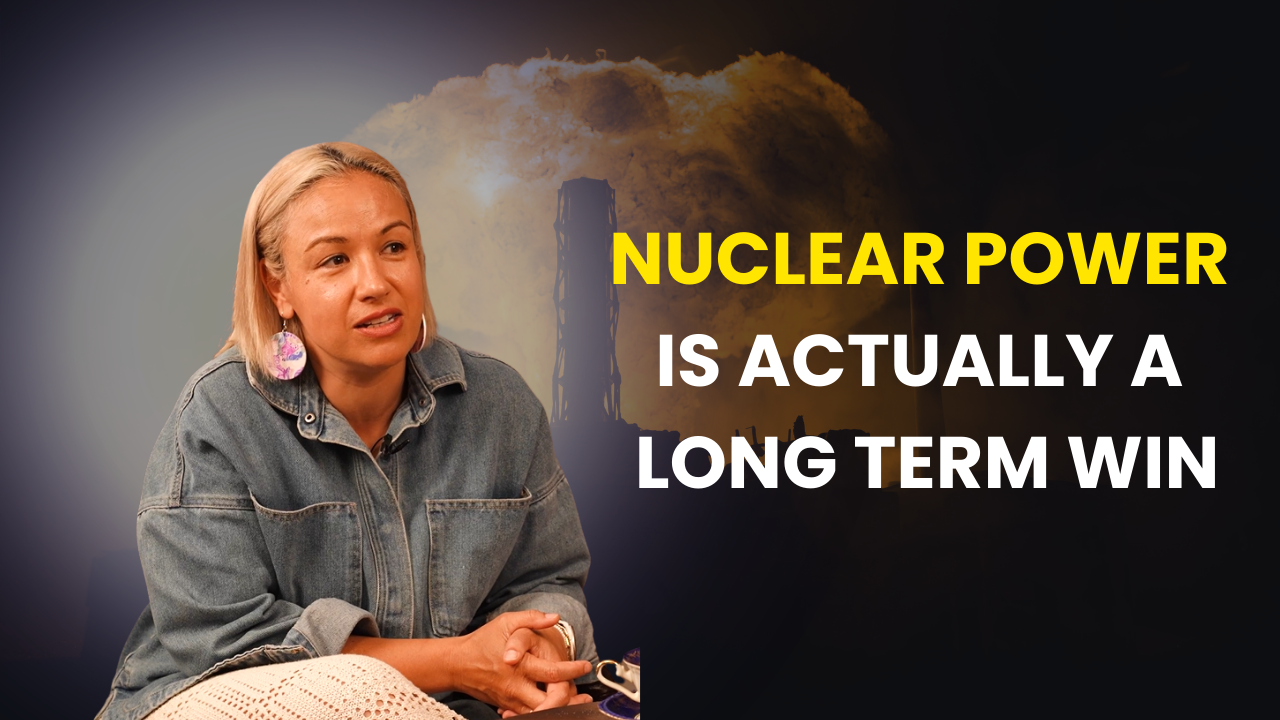
Watch the complete Podcast on YouTube.
Case Study: France’s Nuclear-Dominant Energy Model
France provides one of the most cited examples of nuclear energy supporting affordable electricity. With a heavy nuclear penetration in its generation mix, France has been able to:
- Maintain comparatively stable domestic electricity prices
- Export electricity to neighbouring European nations
- Generate revenue from surplus production
Nuclear plants in France provide a strong baseload foundation. Renewable energy sources such as wind and solar operate alongside nuclear, but the nuclear fleet underpins grid reliability.
The key takeaway is not that nuclear replaces renewables but that it can complement them. A consistent baseload reduces the need for expensive imports during peak demand or low renewable output.
The Economics: Why Nuclear Can Reduce Consumer Costs
Although nuclear plants are expensive to build, several factors contribute to lower long-term costs:
1. Long Asset Lifespan
Unlike many renewable installations that may require replacement after 20–30 years, nuclear plants can operate for up to 80 years or more.
2. Low Fuel Costs
Uranium fuel represents a small proportion of overall operating expenses.
3. Energy Density
A single nuclear site can produce vast amounts of electricity without sprawling land use. This reduces extensive transmission and distribution expansion costs.
4. Stable Output
Continuous generation reduces wholesale price spikes caused by supply shortages.
Over decades, these factors can translate into reduced system-wide costs and greater price predictability for consumers.
The Political Challenge: Energy Policy vs Election Cycles
One of the most significant barriers to nuclear development is not engineering — it is politics.
Large-scale infrastructure projects span 10–15 years before operation and 60+ years of service life. In contrast, political cycles typically operate on three- or four-year terms.
Countries that have successfully implemented nuclear programmes including United Kingdom and United States have achieved a degree of bipartisan consensus around nuclear energy as part of national strategy.
In Finland, support for nuclear has crossed party lines, including backing from environmental factions seeking emissions reduction.
For Australia, any serious consideration of nuclear energy would require long-term bipartisan commitment, regulatory certainty and clear public communication.
Nuclear Energy in Australia: A Strategic Conversation
Australia faces unique energy challenges:
- Vast geography
- Growing electricity demand
- Decarbonisation commitments
- Grid stability concerns
A nuclear discussion must consider:
- Regulatory reform
- Workforce development
- Community engagement
- Financing models
- Integration with renewables
Importantly, nuclear energy should not be framed as a binary choice against renewables. Rather, it is part of a broader strategic discussion about energy security, emissions reduction and cost stability.
Beyond Energy: Leadership, Long-Term Thinking and Nation Building
Large-scale infrastructure requires vision, collaboration and courageous leadership. It demands moving beyond short-term political advantage to long-term national interest.
These are the same qualities embodied by the women who have shaped Queensland’s history not only in Parliament and activism, but through motherhood, caregiving and community building.
Leadership takes many forms. It requires persistence, foresight and a commitment to future generations.
Join Us at Our Upcoming Events
Join us at the WA International Women’s Day 2026 – Leaders Breakfast Event. We honour remarkable women. They shaped Western Australia’s history. For instance, they led through activism and caregiving. Moreover, they built communities.
Join Us at the National Child & Family Safety Leadership Summit 2026 will bring together leaders, practitioners, policymakers, researchers and community voices from across the country. This important gathering creates space for meaningful dialogue on the most pressing issues impacting children and families including domestic violence, coercive control, child protection, and community wellbeing.
We look forward to welcoming you to this moving and inspiring celebration of women’s achievements and contributions. Don’t miss this opportunity to hear from one of WA’s most influential scientific leaders, Miquela Riley.