
The Mind–Body Connection: Mental Health, Sport and the Power of Community
Mental health is not a niche topic. It is the quiet, constant thread running through every conversation we have whether we are talking about sport, business, relationships, or belonging.
Mention loneliness, relationship challenges, stress, or burnout, and almost everyone can relate. It is universal. Yet, despite this shared experience, many people still struggle to speak openly about their own journey.
In sport, and increasingly across workplaces and communities in Queensland, we are beginning to see a deeper understanding of how profoundly mental wellbeing shapes performance, connection and confidence.
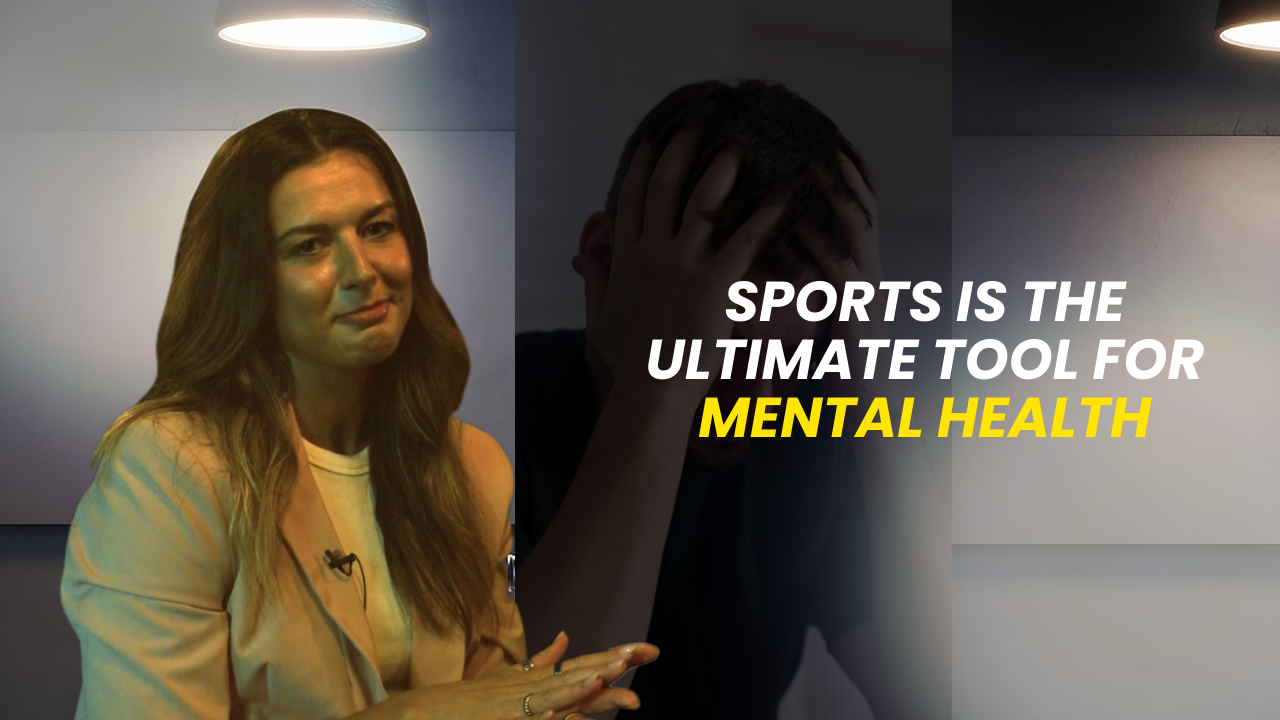
Why Mental Health in Sport Matters
For many people, sport is more than physical activity. It provides:
- A sense of belonging
- Structure and routine
- Confidence through challenge
- Shared goals and teamwork
- A healthy outlet for stress
Physical movement creates grounding. It connects the body and mind in a way few other activities can. For those who have grown up immersed in sport or fitness, it often becomes a stabilising force — something reliable in an otherwise unpredictable world.
However, not everyone finds connection through sport and that is perfectly okay.
The deeper lesson is not about athletics. It is about finding your people.
Whether that is art, fishing, volunteering, business networks or local community groups, shared interests create safe spaces. And safe spaces allow honest conversations about mental health to emerge.
Watch the complete Podcast on YouTube.
The Universal Need for Belonging
Research consistently shows that belonging and community are protective factors against anxiety, depression and isolation. But beyond the statistics, lived experience tells the real story.
When you sit down with someone a colleague, a teammate, a stranger at an event and you speak openly about mental health, something shifts.
Walls soften.
Assumptions fall away.
Common ground appears.
We often discover that we have far more in common than we realised.
This is especially true in high-pressure environments from elite sport to corporate leadership — where performance expectations can mask emotional strain.
Grounding activities, whether physical or creative, help individuals rise above daily stressors. They provide perspective and resilience. But it is community that sustains long-term wellbeing.
Women, Wellbeing and Community Leadership in Queensland
Across Queensland’s history, women have quietly shaped communities in powerful ways.
Long before mental health became a mainstream conversation, women were:
- Holding families together
- Supporting neighbours
- Leading grassroots movements
- Building inclusive networks
- Creating spaces for connection and care
Much of this work was unseen. Often unrecognised. Yet it formed the backbone of resilient communities across our state.
In today’s world where loneliness and mental health challenges are increasingly visible those same qualities of nurturing leadership and community building are more vital than ever.
Mental wellbeing is strengthened not only through policy and programmes, but through everyday acts of care, courage and conversation.
The Mind–Body–Community Connection
There is a powerful link between:
- Physical grounding
- Emotional openness
- Community connection
When people feel supported, seen and valued, they thrive.
When they find commonality with others, stigma dissolves.
When they move their bodies and connect their minds, resilience grows.
The conversation around mental health is no longer optional it is essential.
And women have been at the forefront of fostering these conversations for generations.
Join Us at Our Upcoming Events
Join us at the WA International Women’s Day 2026 – Leaders Breakfast Event. We honour remarkable women. They shaped Western Australia’s history. For instance, they led through activism and caregiving. Moreover, they built communities.
Join Us at the National Child & Family Safety Leadership Summit 2026 will bring together leaders, practitioners, policymakers, researchers and community voices from across the country. This important gathering creates space for meaningful dialogue on the most pressing issues impacting children and families – including domestic violence, coercive control, child protection, and community wellbeing.
We look forward to welcoming you to this moving and inspiring celebration of women’s achievements and contributions. Don’t miss this opportunity to hear from one of WA’s most influential scientific leaders, Miquela Riley.