
Leadership, Deep Listening and the Legacy of Women in Queensland
In an era of fast decisions and louder voices, authentic leadership is increasingly defined by something quieter deep listening.
Across Queensland and beyond, women in leadership are reshaping organisational culture not through force, but through empathy, resilience and an unwavering commitment to understanding the full story before acting.
As we reflect on leadership ahead of International Women’s Day, it is worth examining how relationship-based leadership has evolved particularly since the era of Bob Hawke and what modern leaders are embedding into their own style today.
From Command and Control to Consultation and Collaboration
During the Hawke years, Australia saw a shift towards consensus-building politics. Dialogue with unions, business and community stakeholders became central to reform. Relationships mattered. Negotiation mattered. Listening mattered.
That shift laid groundwork for the collaborative leadership models we see today.
Modern leadership is no longer about positional authority alone. It is about:
- Emotional intelligence
- Capacity building
- Trust and transparency
- Inclusive decision-making
- Psychological safety
Women, in particular, have been instrumental in embedding these qualities into organisational culture often shaped by lived experience, caregiving roles and community leadership long before holding formal titles.
Confidence and the Quiet Struggle Many Women Share
One of the most honest reflections shared by women in leadership is this: confidence does not always come naturally.
Many women describe a persistent feeling of not being “quite enough” second guessing whether they are ready, qualified or capable. Yet paradoxically, they often hold themselves to standards above expectation.
A powerful leadership principle has emerged from this experience:
That willingness to go the extra mile, to contribute beyond formal obligation, and to volunteer time and energy is often what builds both competence and credibility.
However, sustainable leadership requires more than over-performance. It requires empathy.
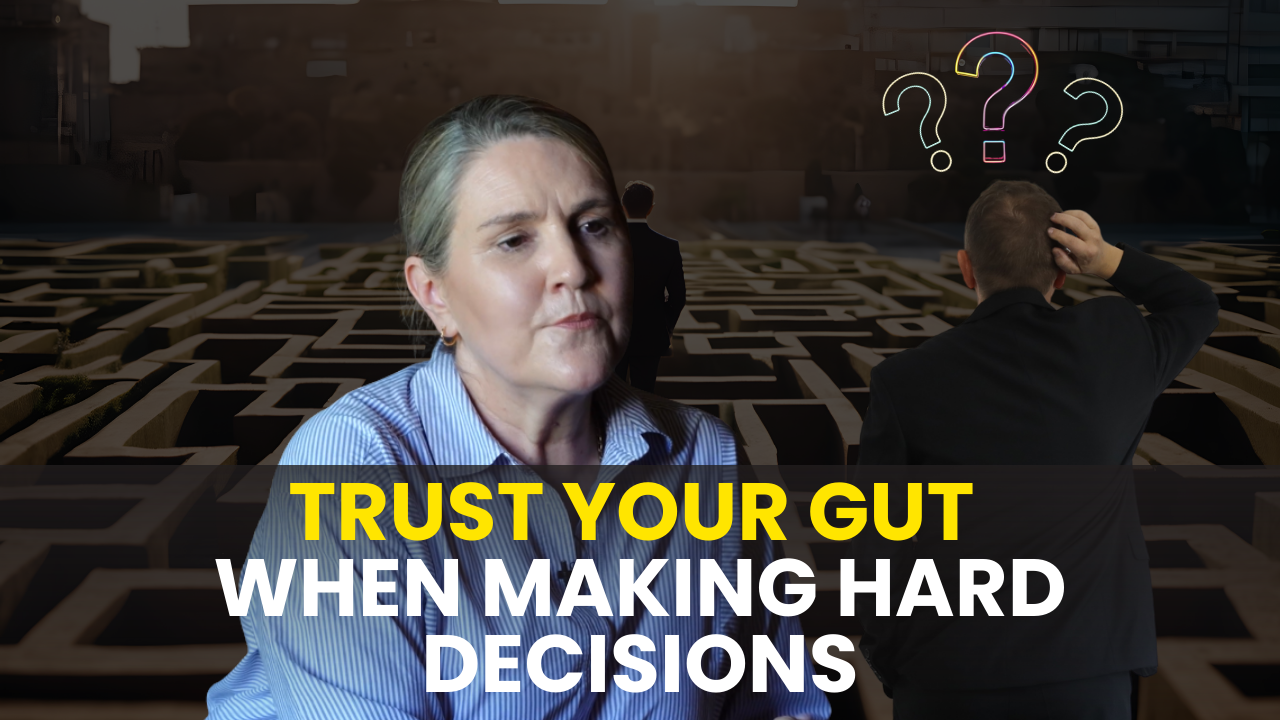
Watch the complete Podcast on YouTube.
Deep Listening: The Foundation of Effective Leadership
We hear the phrase “deep listening” often but living it is another matter.
True listening is not simply waiting for a turn to speak. It involves:
- Pausing before responding
- Seeking full context
- Understanding emotion as well as facts
- Avoiding influence from the loudest voice in the room
Effective leaders resist pressure to make premature decisions. They gather perspectives across levels from senior executives to junior staff recognising that insight does not correlate with hierarchy.
When entering complex environments, especially those charged with tension or competing agendas, experienced leaders often adopt one guiding principle:
This patience may invite criticism in the short term, yet it builds long-term trust.
Tough but Compassionate: Leading with Strength and Empathy
Compassionate leadership is sometimes mistaken for softness. It is not.
Strong leaders can be firm while remaining respectful. They can challenge performance while providing guidance and support. The difference lies in intent and delivery.
Before having difficult conversations, thoughtful leaders ask themselves:
- How would I receive this feedback?
- Would I feel respected?
- Am I offering clear guidance to improve?
This reflective practice prevents disengagement. It ensures accountability without humiliation.
And when frustration rises as it inevitably does self-awareness becomes essential. Stepping back. Pausing. Regulating emotion. Returning to the issue calmly.
We are, after all, human.
Leaving Ego at the Door
One of the most transformative shifts in contemporary leadership has been the rejection of ego-driven decision-making.
In high-pressure roles, individuals may attempt to influence outcomes early and assertively. The temptation to respond quickly can be strong. Yet sustainable leadership resists this pull.
Leaders who build trust:
- Listen beyond status and titles
- Seek insight from those closest to the issue
- Avoid being swayed by volume or threat
- Stay grounded in purpose
Often, the most grounded support comes not from those guarding reputation, but from those invested in genuine outcomes.
This humility strengthens organisations from the ground up.
The Role of Women in Shaping Queensland’s Leadership Culture
Across Queensland, women have shaped leadership not only in Parliament and boardrooms, but in homes, schools, charities and communities.
They have nurtured change quietly and persistently often balancing professional responsibility with motherhood, caregiving and community service.
These contributions may not always attract headlines, yet they form the social architecture of our state.
As International Women’s Day approaches, we are reminded that leadership is not only about visibility it is about influence, integrity and impact.
Join Us at Our Upcoming Events
Join us at the WA International Women’s Day 2026 – Leaders Breakfast Event. We honour remarkable women. They shaped Western Australia’s history. For instance, they led through activism and caregiving. Moreover, they built communities.
Join Us at the National Child & Family Safety Leadership Summit 2026 will bring together leaders, practitioners, policymakers, researchers and community voices from across the country. This important gathering creates space for meaningful dialogue on the most pressing issues impacting children and families including domestic violence, coercive control, child protection, and community wellbeing.
We look forward to welcoming you to this moving and inspiring celebration of women’s achievements and contributions. Don’t miss this opportunity to hear from one of WA’s most influential scientific leaders, Miquela Riley.