Introduction
Inclusion is one of the most important words in modern leadership, but it is also one of the most misunderstood. Many organisations, forums and political spaces speak about multiculturalism, diversity and belonging. Yet the real question is whether these conversations are creating genuine inclusion or simply repeating the same patterns of exclusion in a different language.
The discussion raises a powerful point: if the core value is inclusivity, then every community should feel included. But when the word “multicultural” is used in a way that groups all non-white communities together, it can unintentionally create separation rather than unity.
True multicultural leadership is not about dividing people into “us” and “them”. It is about finding shared strengths, creating belonging and making sure every community has a real voice at the decision-making table.
What Does Multiculturalism Really Mean?
The word “multicultural” was built around the idea of inclusion. At its best, it recognises that society is made up of many cultures, histories, languages and lived experiences. It should create space for people to be seen, heard and respected.
However, the conversation highlights a concern that many people feel but do not always say openly: multiculturalism can sometimes be used in a narrow way. Instead of including all cultures, it can become a label placed mainly on ethnic or non-white communities.
This creates a problem. If multiculturalism is meant to include everyone, then it should not exclude any group from the conversation. Inclusion cannot work if it begins by separating people.
A truly multicultural society must recognise difference without turning difference into division.
The Problem with “Us and Them” Language
One of the strongest themes in the discussion is the danger of “us and them” thinking. Whether in politics, schools, workplaces or communities, language matters. When people are constantly described as different from one another, that difference can become a barrier.
Even in schools, children are trying to find a sense of belonging. If they are repeatedly told, “I am different from you” or “you are different from me”, they may begin to see separation before connection.
That does not mean we ignore cultural identity. Identity matters deeply. But leadership must also ask: what brings us together? What values do we share? What strengths can we build on as one community?
Belonging grows when people are respected for who they are while also being included in a shared story.
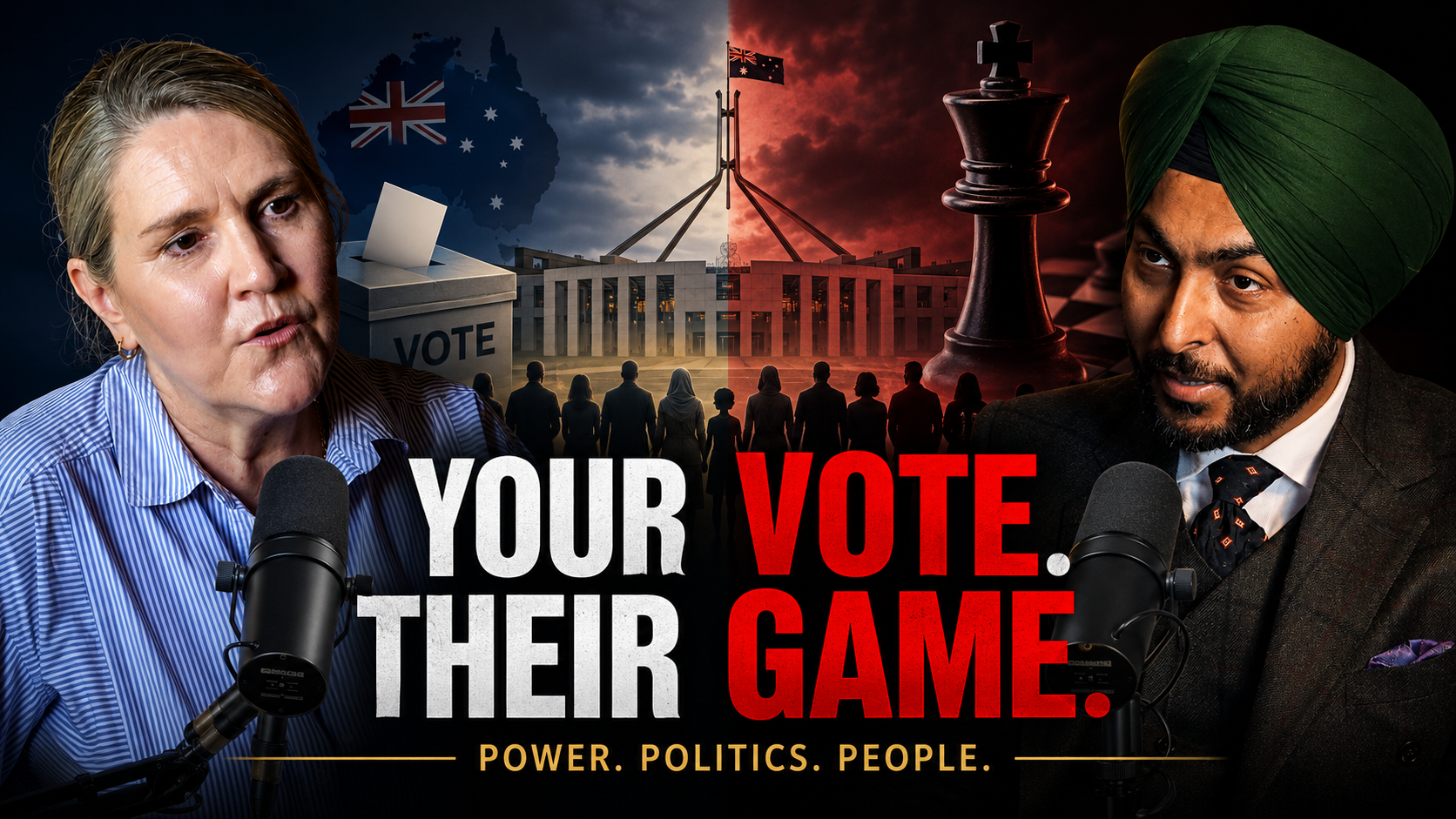
Watch the complete Podcast on YouTube.
Why Belonging Matters in Schools and Communities
Belonging is not just a soft idea. It shapes confidence, wellbeing, identity and participation. When children and young people feel that they belong, they are more likely to engage, learn and contribute.
In multicultural communities, belonging means more than being invited into the room. It means being valued in the room. It means young people can see their identity reflected in leadership, education, media and community life without feeling reduced to a label.
When schools and communities focus only on difference, they risk making some children feel like outsiders. But when they focus on shared humanity, mutual respect and common strengths, they help children grow with confidence and connection.
A strong society is built when every child feels they are part of it.
Leadership Must Move Beyond Speeches
The conversation also raises a serious concern about political leadership. Too often, leaders attend multicultural conferences, speak warmly about the value of ethnic communities and then leave without creating any meaningful change.
This is where inclusion becomes tokenism.
Communities do not need leaders who only say the right things on stage. They need leaders who shift the dial. They need action, investment, representation and opportunity.
It is not enough to call multicultural communities valuable. Leadership must prove that value through decisions, policies and real outcomes.
Are Multicultural Communities Being Used as Political Resources?
A powerful point in the discussion is that multicultural communities are often seen as a valuable political resource. Their votes, presence and public support may be welcomed, especially during campaigns or community events.
But when it comes to decision-making tables, those same communities are not always given real influence.
This creates a painful gap between recognition and opportunity. Communities are praised publicly, but not always empowered structurally.
True representation means more than visibility. It means having power, voice and influence where decisions are made.
What Real Inclusion Looks Like
Real inclusion is practical. It is not only about language, branding or public statements. It is about changing systems so that people from different backgrounds can participate fully and equally.
Real inclusion means multicultural communities are not just invited to conferences, but involved in shaping policy. It means community leaders are not only celebrated, but trusted with responsibility. It means young people from diverse backgrounds can see a future for themselves in leadership.
It also means recognising the strengths that communities already bring: resilience, enterprise, family values, cultural knowledge, social connection and lived experience.
Inclusion should not ask people to leave parts of themselves behind. It should allow people to contribute fully as they are.
Finding Similarities Without Erasing Difference
A mature conversation about multiculturalism must hold two truths at the same time. People have different cultural experiences, and those differences deserve respect. At the same time, people also share common hopes: safety, opportunity, dignity, fairness and belonging.
The goal is not to pretend everyone is the same. The goal is to build unity without erasing identity.
Leaders have a responsibility to speak from an inclusive standpoint. They must reduce division, not amplify it. They must bring communities together, not use difference as a political tool.
A united voice does not mean one voice. It means many voices working towards shared progress.
Why Decision-Making Tables Matter
If multicultural communities are not represented where decisions are made, their needs can easily be overlooked. Representation at decision-making tables is essential because lived experience changes the quality of decisions.
Communities know their own challenges. They understand barriers around language, access, trust, education, safety, employment and family support. When those insights are missing, policies can become disconnected from reality.
Real leadership means opening the door and then sharing the table.
It is not enough to speak about communities. Leaders must speak with communities and act alongside them.
Final Thoughts
The conversation challenges us to think more deeply about inclusion, belonging and multicultural leadership. Words like diversity and multiculturalism matter, but only when they lead to genuine action.
If inclusion is the goal, then the language, systems and leadership around it must bring people together rather than separate them. Communities should not be used as political resources without being given real opportunity.
True multicultural leadership means finding similarities, respecting differences and creating spaces where every community can contribute meaningfully.
Belonging is not created by speeches. It is created by action.
Join Us at the National Child & Family Safety Leadership Summit 2026
These conversations about inclusion, belonging and leadership are deeply connected to the safety and wellbeing of children and families. When communities feel heard, represented and supported, children are safer, families are stronger and systems become more compassionate.
Join us for a moving and inspiring National Child & Family Safety Leadership Summit 2026 on 22nd May 2026.
The summit will bring together leaders, professionals, advocates and community voices to explore child safety, family wellbeing, inclusive leadership and meaningful system change.
Be part of a powerful conversation that turns awareness into action and helps build safer, more connected communities for every child and family.