
From Glasgow to Australia: How Community, Multiculturalism and Social Justice Shape Leadership
What does community really mean? For some, it is simply geography. For others, it is something deeper a shared understanding that no matter where you come from, everyone has each other’s back.
In this conversation, Craig shares his journey from growing up in working-class Glasgow to building a life in Australia, and how those early experiences shaped his passion for social justice, inclusion and community impact. His story is not just about migration it is about belonging, equality and the quiet power of multicultural connection.
At a time when conversations around diversity, social cohesion and community leadership are more important than ever, Craig’s reflections offer both insight and hope.
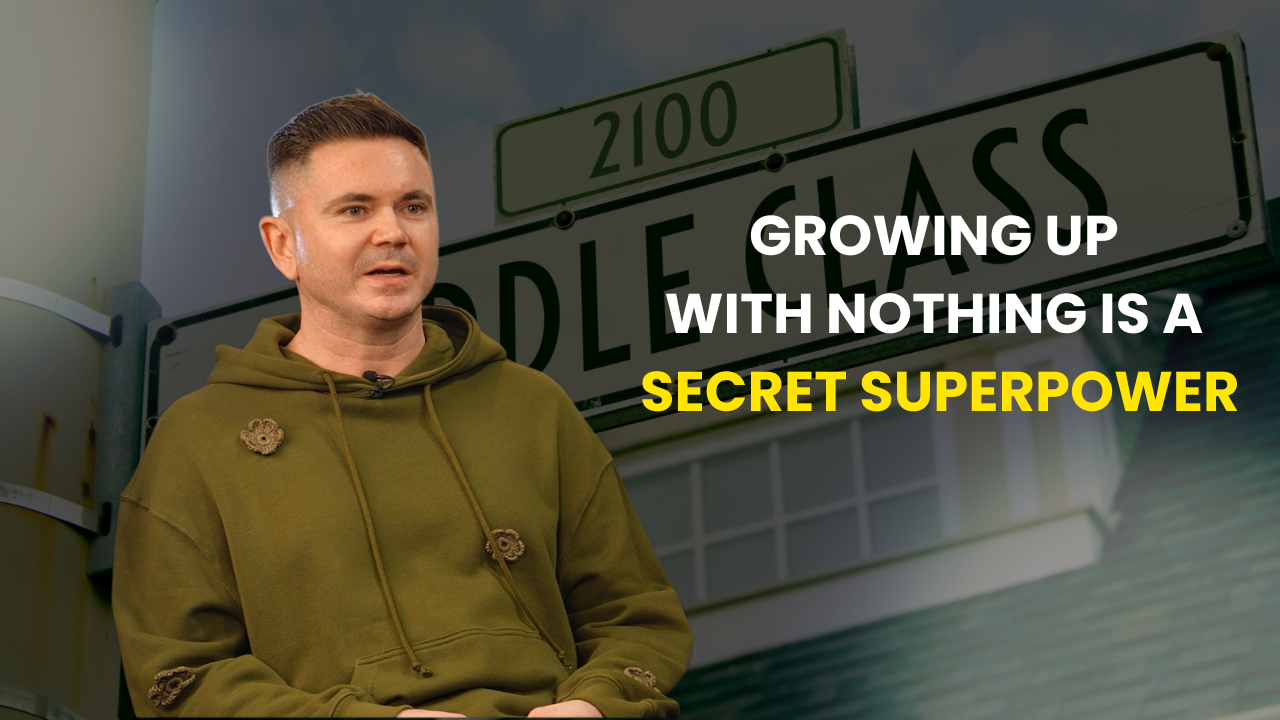
Growing Up in Glasgow: Where Community Came First
Craig grew up in Anderston, right in the heart of Glasgow. For those who know the city, it is an area shaped by working-class resilience, strong identities and tight community bonds.
Life was not necessarily easy, but it was connected. People knew each other. Neighbours looked out for one another. And most importantly, children grew up understanding that community was something you contributed to — not something you consumed.
It was a multicultural environment long before diversity became a policy conversation. Families from India, Pakistan, Afghanistan, China and many other backgrounds lived side by side. And for young Craig, difference was never something to fear.
The Lunchbox Lesson: How Children See Equality
One of the most powerful memories Craig recalls is sitting on a school wall during primary school, opening lunchboxes with friends from different cultures.
The only difference he could see?
The food.
He had a cheese sandwich. The boy next to him had fish head curry. Another friend had noodles. That moment was not about division it was about curiosity. It was about swapping sandwiches, tasting new flavours and discovering that what you did not have always looked exciting.
Children did not see race or religion. They saw opportunity especially when it came to trading lunches.
It is a simple story, but it highlights something profound: inclusion is natural when it is modelled through everyday life.
Watch the complete Podcast on YouTube.
“Everyone Had Each Other’s Back”
Craig describes his childhood community as one where everyone stuck up for one another. Regardless of background, accent or appearance, solidarity mattered.
This sense of mutual protection builds confidence and belonging. It also lays the foundation for later advocacy. When you grow up seeing people defend one another, fairness becomes instinctive.
Social justice is not always born in lecture theatres or policy debates. Often, it begins in neighbourhoods where people simply decide to stand together.
Migration to Australia: Seeking Opportunity and Lifestyle
Around 21 years ago, Craig made the decision to move from Scotland to Australia with his family, seeking better opportunities and a different lifestyle.
Migration is rarely just about geography. It involves:
- Leaving extended family behind
- Adapting to new systems and cultures
- Rebuilding community from scratch
For many migrants, the values learned at home travel with them. In Craig’s case, that meant bringing a deep belief in equality, fairness and community cohesion into his Australian life.
How Early Community Shapes Social Justice Leadership
Craig’s passion for helping others and advocating for social change did not emerge overnight. It was shaped by:
- Growing up in a working-class environment
- Experiencing multicultural inclusion first-hand
- Seeing neighbours protect and support one another
- Understanding that community strength comes from unity
When people experience belonging early in life, they are more likely to create it for others later on.
Leadership grounded in lived experience tends to be authentic. It is less about rhetoric and more about responsibility.
Multiculturalism as Strength, Not Slogan
In today’s climate, diversity and inclusion are often discussed in corporate or political terms. Yet for many communities, multiculturalism has always been practical and relational.
It is trading lunches.
It is calling your friend’s mum “Auntie”.
It is enjoying food from someone else’s culture.
It is protecting someone who looks different from you.
True multicultural community is not forced it is lived.
What This Means for Australia Today
Australia prides itself on being multicultural. However, sustaining strong, cohesive communities requires ongoing effort.
We need:
- Local leadership that prioritises unity
- Schools that foster cultural respect
- Community organisations that encourage connection
- Honest conversations about fairness and opportunity
Stories like Craig’s remind us that inclusion is not complicated. It begins with respect, shared experience and mutual support.
Final Reflections: Belonging Is Built Early
When children grow up in environments where everyone has each other’s back, they carry that mindset into adulthood.
Community shapes character.
Character shapes leadership.
Leadership shapes society.
Craig’s journey from Glasgow to Australia is a powerful reminder that our earliest experiences often define our deepest values and those values can go on to impact countless others.
Join Us at Our Upcoming Events
Join us at the WA International Women’s Day 2026 – Leaders Breakfast Event. We honour remarkable women. They shaped Western Australia’s history. For instance, they led through activism and caregiving. Moreover, they built communities.
Join Us at the National Child & Family Safety Leadership Summit 2026 will bring together leaders, practitioners, policymakers, researchers and community voices from across the country. This important gathering creates space for meaningful dialogue on the most pressing issues impacting children and families including domestic violence, coercive control, child protection, and community wellbeing.
We look forward to welcoming you to this moving and inspiring celebration of women’s achievements and contributions. Don’t miss this opportunity to hear from one of WA’s most influential scientific leaders, Miquela Riley.