
When Gaslighting Hides Domestic Violence: Understanding the Signs, the Impact on Children, and the Urgent Need for Family Safety
Domestic violence is not always loud, obvious, or easy to explain from the outside. Sometimes it hides behind closed doors, behind the image of a “happy family”, and behind the terrifying confusion of gaslighting. For many survivors, the abuse is not only physical. It is emotional, psychological, and deeply destabilising.
In one powerful account, a mother described years of severe domestic violence where she was made to question her own reality. Despite visible bruises, strangulation marks, and her children being harmed, she was told: “I didn’t do that. You must be thinking this from your childhood. You really should get some help.”
This is the devastating reality of coercive control. It can make a person doubt what they see, what they feel, and even whether they are safe.
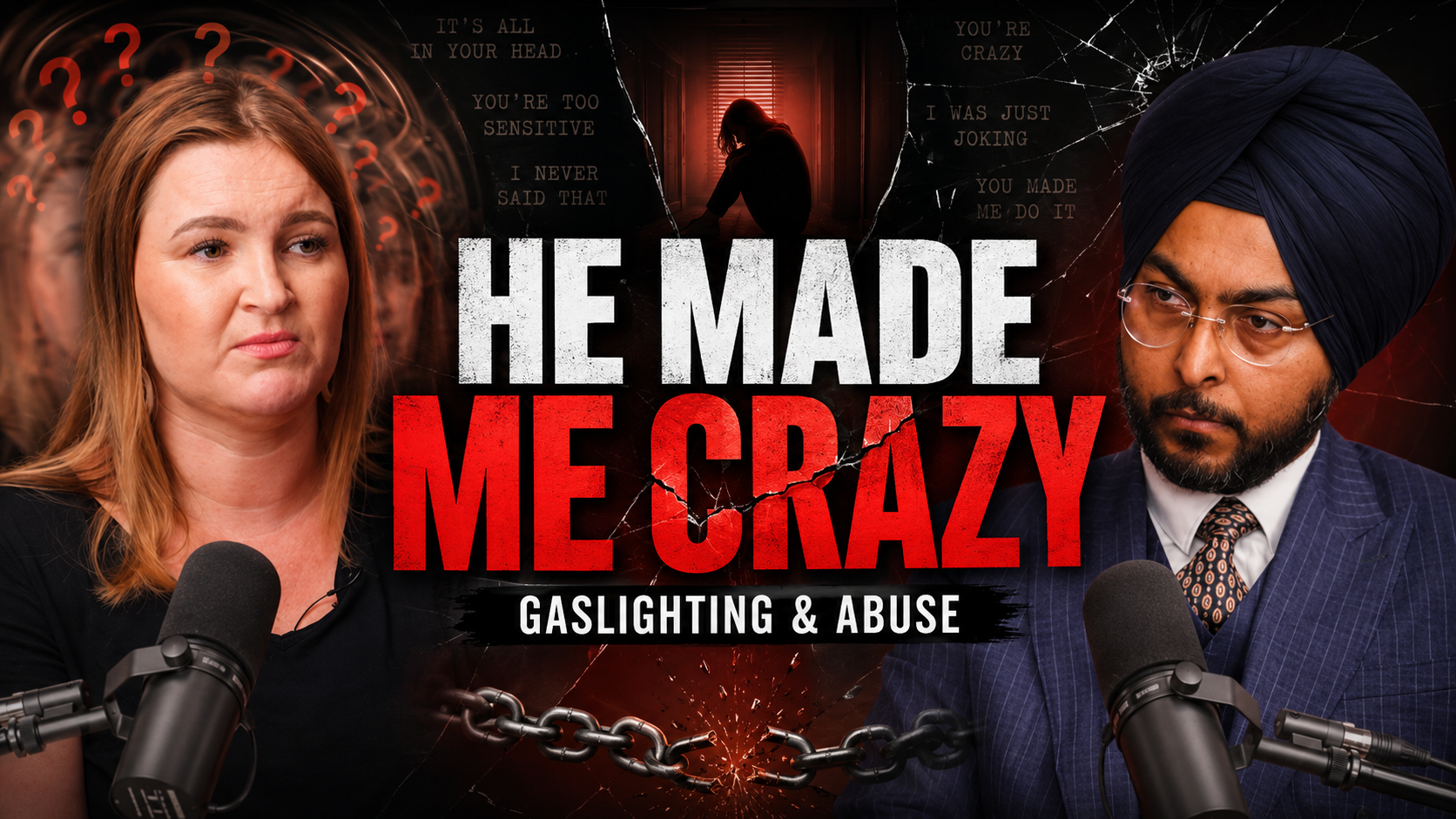
What Is Gaslighting in Domestic Violence?
Gaslighting is a form of psychological abuse where the perpetrator manipulates someone into questioning their memory, perception, or sanity.
In domestic violence, gaslighting may sound like:
“ That never happened.”
“ You’re imagining things.”
“ You’re too sensitive.”
“ You need help.”
“ You’re bringing this up because of your past.”
Over time, this manipulation can become so powerful that even when there is physical evidence of abuse, the victim may feel confused, ashamed, or unsure of themselves.
In the shared story, the survivor explained that she had been gaslit so severely that she believed she might be “going crazy” and had even booked a CT scan. This shows how deeply psychological abuse can affect a person’s sense of reality.
Domestic Violence Is Not Only Physical Abuse
Many people think of domestic violence as physical harm, but it is often much broader. It can include:
Emotional abuse
Psychological manipulation
Financial control
Isolation from family and friends
Threats and intimidation
Coercive control
Child abuse and neglect
Strangulation and physical assault
When children are involved, the trauma becomes even more complex. Children who witness or experience domestic violence may feel unsafe in their own home. They may learn to live in fear, silence, or confusion.
Watch the complete Podcast on YouTube.
The Hidden Impact on Children
In the account shared, the children were exposed to extreme fear and harm. They were punished, isolated, and placed in frightening situations. One child was reportedly put in a dark garage while crying, even in front of extended family.
This is a crucial reminder: children are not just “witnesses” to domestic violence. They are victims too.
When children live in an abusive home, they may experience:
Anxiety and fear
Sleep problems
Difficulty trusting adults
Emotional withdrawal
Behavioural changes
Trouble at school
Long-term trauma
Confusion about what is normal
A child may not always have the words to explain what is happening, but their behaviour often tells a story.
Why Families Often Sense Something Is Wrong
The survivor described her family saying: “That’s not normal. Why is he doing that?”
This is common. Families, friends, neighbours, and professionals may sense that something is wrong, but they may not have enough information to understand the full picture.
Abuse often appears in fragments. A strange comment. A controlling look. A child suddenly going quiet. A partner answering every question. A family member becoming isolated. A child being punished in a way that feels extreme.
These signs matter.
If something feels wrong, it may be worth paying closer attention. Domestic violence often survives in silence because people do not know how to name what they are seeing.
Coercive Control Can Make Leaving Extremely Difficult
One of the most misunderstood parts of domestic violence is the question: “Why didn’t they just leave?”
The reality is far more complex.
A person experiencing coercive control may be afraid for their children, financially trapped, emotionally broken down, isolated from support, or convinced that no one will believe them. Gaslighting can make them doubt their own judgement. Threats can make leaving feel more dangerous than staying.
Survivors do not need judgement. They need safety, belief, support, and practical pathways out.
Why We Must Build Safer Systems for Families
Domestic violence and child abuse are not private issues. They are community issues, public health issues, leadership issues, and justice issues.
We need stronger systems that can recognise the signs earlier, respond with compassion, and protect children and families before harm escalates.
This includes:
Better education around coercive control
Stronger support for survivors
Trauma-informed services
Early intervention for children
Training for professionals
Community awareness
Leadership across family safety sectors
Every person has a role to play in recognising abuse and supporting safer homes.
Conclusion: Turning Pain Into Purpose
Stories like this are painful to hear, but they are also necessary. They remind us why family safety work matters. They show us the reality behind closed doors and the courage it takes for survivors to speak.
Domestic violence does not only harm one person. It affects children, families, communities, and future generations. But with awareness, leadership, and collective action, we can create safer pathways for those who are still living in fear.
To continue this vital conversation, we invite you to attend the National Child & Family Safety Leadership Summit 2026 on 22nd May 2026.
Join us for a moving and inspiring gathering of leaders, advocates, professionals, and community members committed to protecting children, supporting families, and building a safer future.
Because every child deserves safety. Every survivor deserves to be believed. And every family deserves a life free from violence.