The Future of Work in Australia: Generational Shifts, Flexibility and the New War for Talent
The modern workplace is undergoing one of the most significant transformations in decades. From generational shifts to hybrid working models, organisations across Australia are being challenged to rethink how they attract, manage and retain talent.
At the heart of this change lies a simple but powerful question: what are employees now asking of their employers and are organisations ready to respond?
Understanding the Generational Divide in the Workplace
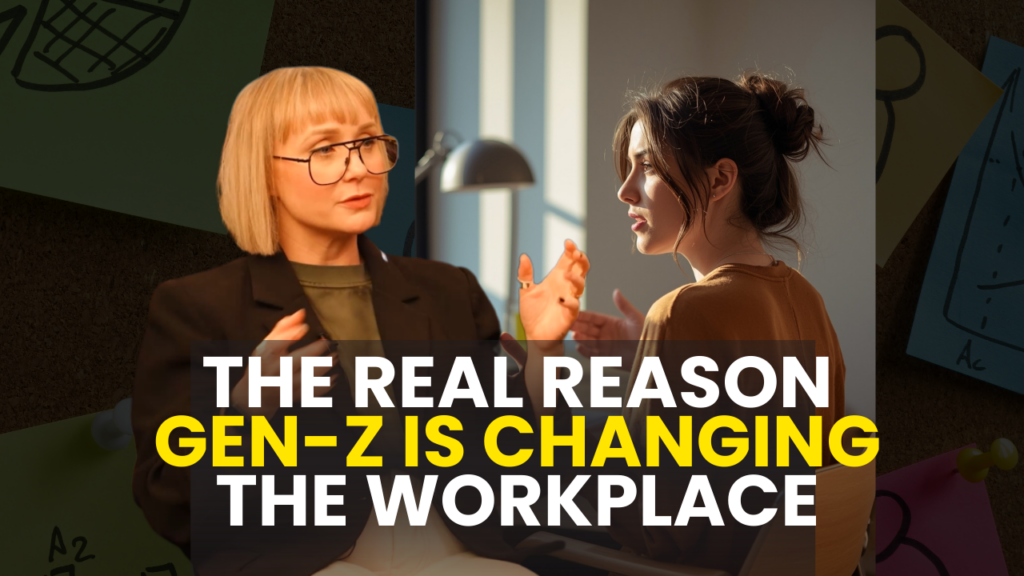
Today’s workforce is more diverse than ever, with Baby Boomers, Generation X, Millennials (Gen Y) and Generation Z working side by side. Each generation brings distinct strengths, expectations and working styles.
Baby Boomers: Autonomy and Experience
Often occupying senior leadership or long-standing operational roles, Baby Boomers typically value autonomy. They are generally self-directed, require minimal supervision and are motivated by a strong work ethic. For many, praise is less important than purpose and performance.
Their strengths include:
- Deep institutional knowledge
- Pragmatism and resilience
- Loyalty and consistency
Generation X and Millennials: Purpose and Progression
Gen X and Millennials tend to seek progression, development and alignment between personal values and professional roles. They want to bring their “whole self” to work and are often highly driven.
They value:
- Career development pathways
- Recognition and feedback
- Work that feels meaningful
Generation Z: Mental Health and Flexibility
Generation Z entered the workforce during or after COVID-19. Their formative professional years were shaped by remote work, digital collaboration and heightened awareness of mental health.
As a result, Gen Z employees are more likely to prioritise:
- Psychological safety
- Flexibility and autonomy
- Clear communication and transparency
This has not necessarily created conflict between generations but it has created confusion. Many organisations report teams looking at one another and thinking, “I don’t quite understand your perspective.”
The opportunity lies not in focusing on what irritates us about generational differences, but in tapping into the strengths each cohort offers. A homogenous workforce risks missing out on wisdom, innovation, emotional intelligence and technological agility.
Watch the complete Podcast on YouTube.
Flexibility Is No Longer a Perk It’s an Expectation
One of the clearest workplace trends is that flexibility is here to stay.
Employees have experienced a new way of working one that allows better integration of professional responsibilities with family life, caregiving and personal wellbeing. Few are willing to return entirely to rigid structures.
Importantly, flexibility is not limited to working from home. It can include:
- Hybrid models
- Staggered hours
- Compressed work weeks
- Nine-day fortnights
- Outcome-based performance models
Frontline professions such as nursing may not allow remote work, but creative scheduling solutions can still provide flexibility. Organisations that approach this creatively will stand out in an increasingly competitive labour market.
The War for Talent in Australia
As skills shortages persist, businesses cannot rely solely on higher salaries to attract talent. For many mid-sized organisations in particular, unlimited budgets are not an option.
The question becomes: what else can you offer?
Appealing employers now provide:
- Flexible work arrangements
- Clear performance metrics
- Trust-based leadership
- Deliverables-focused management
- Support for working parents and carers
We must also acknowledge that the traditional workplace model was designed for a time when one person often managed the household while another worked full time. Today, most households juggle dual careers, children, increasing financial pressures and ageing parents.
Without structural change, burnout and stress will continue to rise.
Organisations that rethink leadership moving away from presence-based management towards outcome-based measurement will be better positioned to thrive.
Redefining Leadership for the Modern Workplace
Effective leadership in 2026 requires:
- Clarity about what “good performance” looks like
- Measurable outputs rather than visible busyness
- Trust and accountability
- Emotional intelligence
- An understanding of generational nuance
Businesses that embrace these principles are already seeing benefits: stronger engagement, higher retention and increased employer appeal.
In a competitive environment, culture is no longer secondary it is strategic.
Thriving, Not Just Surviving
The ultimate goal is not simply productivity. It is enabling people to thrive.
When employees can drop children at school, attend important family commitments and still deliver high-quality outcomes, organisations benefit from loyalty, energy and discretionary effort.
The future of work is not about choosing between flexibility and performance. It is about designing systems that deliver both.
Join Us at Our Upcoming Events
Join us at the WA International Women’s Day 2026 – Leaders Breakfast Event. We honour remarkable women. They shaped Western Australia’s history. For instance, they led through activism and caregiving. Moreover, they built communities.
Join Us at the National Child & Family Safety Leadership Summit 2026 will bring together leaders, practitioners, policymakers, researchers and community voices from across the country. This important gathering creates space for meaningful dialogue on the most pressing issues impacting children and families including domestic violence, coercive control, child protection, and community wellbeing.
We look forward to welcoming you to this moving and inspiring celebration of women’s achievements and contributions. Don’t miss this opportunity to hear from one of WA’s most influential scientific leaders, Miquela Riley.