
From Frontline Policing to Community Leadership: Lessons in Service, Business and Relatability
Leadership does not always begin with a formal plan. Sometimes, the strongest leaders find their way organically through service, experience and a genuine connection with people.
For some, leadership begins in classrooms or boardrooms. For others, it begins on the streets, in local neighbourhoods, in small businesses and in daily conversations with people from every walk of life.
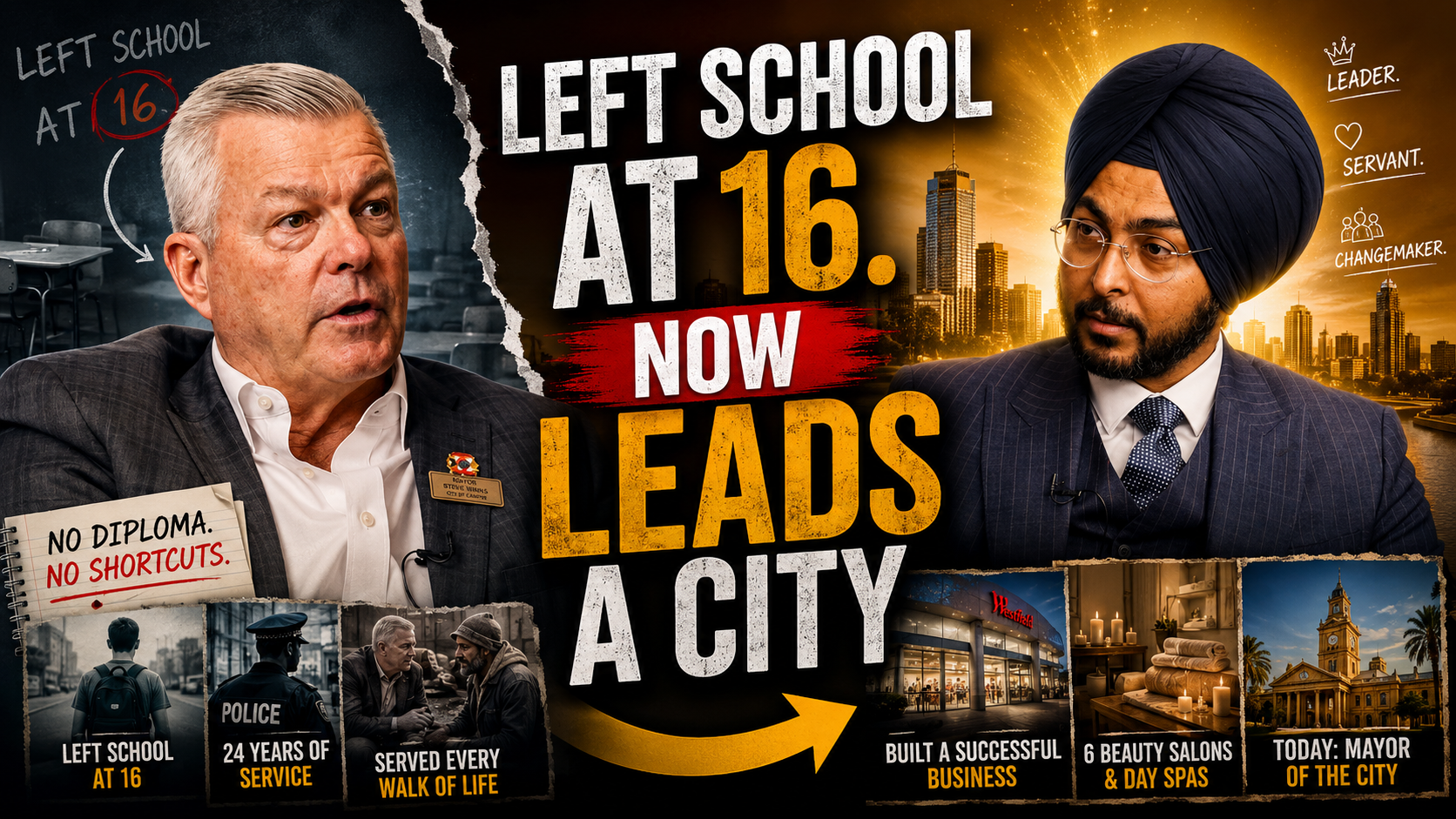
This story reflects a powerful journey from frontline policing to entrepreneurship and community leadership. It shows how service, resilience and the ability to relate to people can shape a leader who understands the real needs of a community.
Leadership Built Through Service
Before entering public leadership, years of frontline service can provide a deep understanding of people, pressure and community life.
A career in policing offers daily contact with people in many different situations. One morning may involve speaking with someone experiencing homelessness. Later that same day, the conversation may be with business leaders, doctors or professionals.
This range of experience matters. It teaches patience, empathy and perspective. It also reminds leaders that a community is not made up of one type of person. It is made up of many lives, stories, challenges and aspirations.
Learning From People From All Walks of Life
Strong community leadership depends on the ability to listen and relate.
When a local area has more than 100,000 residents, a leader must be able to connect with people from different backgrounds, cultures, ages and circumstances. Without that connection, leadership becomes distant and ineffective.
Relatability is not about saying the right thing for the moment. It is about understanding people because you have spent time with them. It is about being comfortable speaking with someone who is struggling and someone who is successful, with equal respect.
That kind of experience cannot be learnt only from books. It comes from being present in the community.
Watch the complete Podcast on YouTube.
The Value of Frontline Experience
A long career in the police force can shape leadership in important ways. It teaches discipline, responsibility and calm decision-making under pressure.
It also exposes people to the realities that many families face, including hardship, conflict, safety concerns, mental health challenges and social disadvantage.
For community leaders, this background can provide practical insight into what residents need from local government, support services and public institutions. It can also strengthen the belief that leadership must be grounded in service.
From Policing to Entrepreneurship
After 24 years in policing, moving into business may seem like an unexpected transition. Yet entrepreneurship often rewards the same qualities that frontline service develops: courage, resilience, problem-solving and people skills.
In this story, the next chapter involved building a group of retail stores, beauty salons and day spas across major shopping centres. With multiple stores, around 35 staff and managers, and imported products from Germany and Sicily, the business required adaptability, planning and confidence.
It was a bold move, especially without a background in the beauty industry. But leadership often means being willing to learn something new.
Learning a New Industry From the Ground Up
Entering a completely unfamiliar industry takes humility and determination.
Running beauty salons and day spas involves customer service, team management, logistics, stock control, marketing, leases, finances and staff culture. It is not simply about the service being sold. It is about creating an experience, managing people and building trust.
Teaching yourself a new industry after a long career in another field shows an entrepreneurial mindset. It also demonstrates that leadership is not limited to one profession. The ability to learn, adapt and keep going is valuable in every sector.
Why Business Experience Matters in Public Leadership
Business experience can add another dimension to community leadership.
Running stores, employing staff and managing operations gives a leader direct understanding of local economies, small business pressures and employment challenges. It also teaches accountability. Decisions affect customers, workers, suppliers and families.
When combined with frontline policing experience, this creates a broad leadership foundation: service, safety, people, business and community.
These experiences can help a mayor or civic leader understand both the social and economic life of a local area.
Organic Leadership and Public Purpose
Some people grow into leadership not because they seek a title, but because their life experiences prepare them for service.
A person who has worked with vulnerable people, led teams, built businesses and engaged with diverse communities may develop the skills needed for public leadership over time.
This kind of organic leadership is often grounded in authenticity. It is not about image. It is about lived experience, hard work and a genuine commitment to people.
Building Safer and More Connected Communities
At the heart of community leadership is the responsibility to build places where people feel safe, respected and included.
This requires leaders who can understand families, support local services, encourage business, listen to residents and respond to complex social issues with compassion.
Whether in policing, business or public office, the core principle remains the same: leadership is about service.
Join the National Child & Family Safety Leadership Summit 2026
The lessons from this journey speak directly to the future of child and family safety. Strong communities need leaders who understand people from all walks of life, who value service, and who are willing to act with courage and compassion.
To continue this important conversation, we warmly invite you to attend the National Child & Family Safety Leadership Summit 2026 on 22nd May 2026.
Join us for a moving and inspiring gathering of leaders, practitioners, advocates and changemakers committed to strengthening child and family safety. Together, we will explore how community leadership, frontline experience and compassionate action can help create safer, stronger futures for children and families.
Join us on 22nd May 2026 and be part of a meaningful movement for change.