Freedom of Speech, Democracy, and Social Cohesion: Why the Debate Matters Now More Than Ever
In recent years, conversations around freedom of speech, democracy, and cultural identity have intensified across Western societies. As political landscapes shift and public trust in institutions evolves, many are asking a fundamental question: are we protecting the very freedoms that define democratic life?
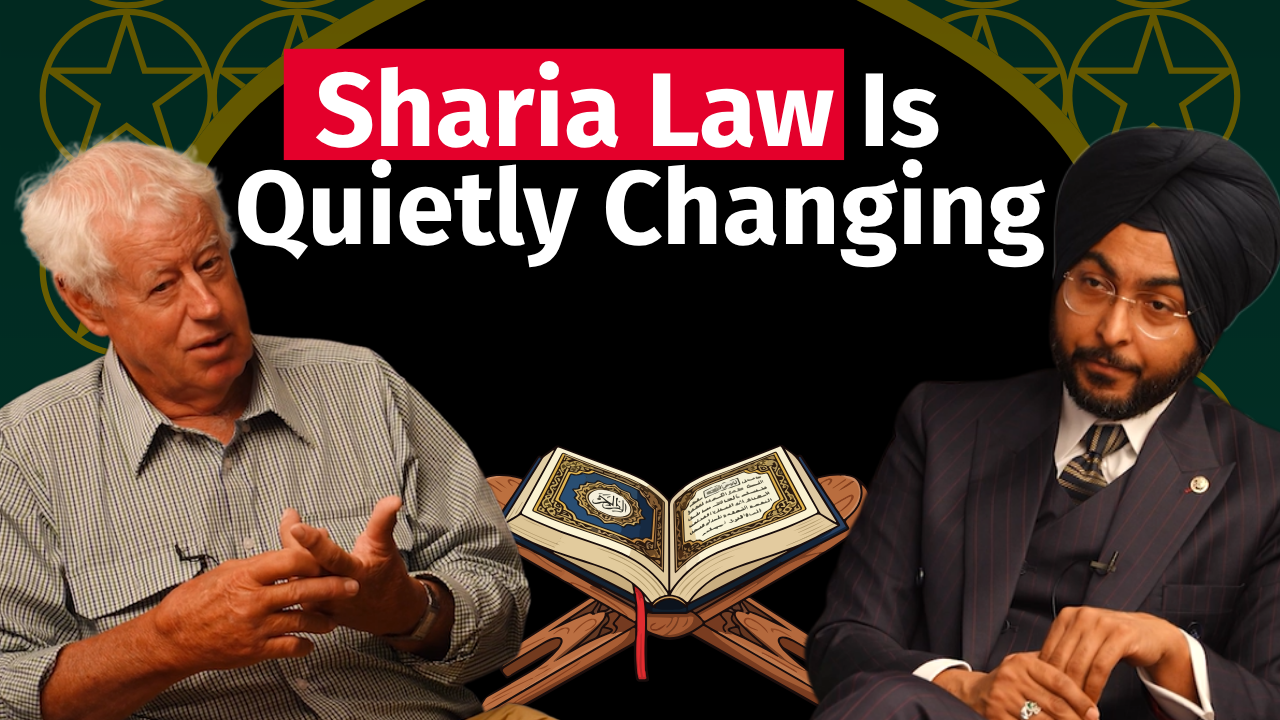
In this discussion, host Dev Singh explores these themes through a candid exchange that touches on political trends, migration, and the role of free expression in maintaining a healthy society. At its core, the conversation reflects a growing concern shared by many how to balance openness with social cohesion while preserving democratic values.
Why Freedom of Speech Is the Foundation of Democracy
Freedom of speech is often described as the cornerstone of any functioning democracy and for good reason. The ability to question authority, express dissent, and engage in open debate allows societies to evolve and self-correct.
History shows that when speech is restricted, other freedoms tend to follow. In more authoritarian systems, control over public discourse is often one of the first steps towards consolidating power. Without open dialogue, citizens lose their ability to hold institutions accountable.
At the same time, freedom of speech comes with responsibility. Democracies depend not only on the right to speak, but also on the willingness to listen, engage respectfully, and challenge ideas without resorting to division.
Changing Political Trends and Public Sentiment
Across countries like Australia, traditional political parties are seeing a decline in primary vote share, while smaller or alternative parties are gaining traction. This shift reflects a broader sense of dissatisfaction among voters who feel that mainstream options no longer represent their concerns.
Figures such as Pauline Hanson have gained renewed attention, with supporters arguing that some of her long-standing warnings are now resonating with a wider audience. Similarly, historical figures like Enoch Powell are often referenced in debates about cultural change and national identity.
Whether one agrees or disagrees with these perspectives, the underlying trend is clear: people are increasingly seeking alternatives and voicing concerns about the direction of their societies.
Watch the complete Podcast on YouTube.
Democracy, Diversity, and Social Integration
A central theme in today’s debate is how democracies manage diversity while maintaining shared values. Immigration, cultural identity, and social integration are complex issues that require thoughtful, evidence-based approaches.
It is important to distinguish between constructive discussion and broad generalisations. Democracies thrive when they uphold principles such as equality before the law, freedom of belief, and mutual respect—regardless of cultural or religious background.
Strong societies are not built by exclusion, but by creating a clear framework where all individuals understand and respect the rule of law, while also feeling included and valued.
The Importance of Separating Religion and State
Another key principle of modern democracy is the separation of religion and state. This ensures that no single belief system dominates governance, allowing citizens of all backgrounds to coexist under a shared legal framework.
When this balance is challenged, tensions can arise particularly in multicultural societies. Maintaining this separation is not about rejecting faith, but about ensuring fairness, neutrality, and equal rights for all.
Navigating the Future: A Need for Balanced Leadership
The path forward requires careful, balanced leadership leaders who are willing to engage in honest conversations without inflaming division. Public discourse must remain open, but also grounded in facts, empathy, and a commitment to democratic principles.
Citizens, too, play a role. Engaged, informed communities are the backbone of democracy. By participating in respectful dialogue and staying informed, individuals can help shape a society that is both free and cohesive.
Final Thoughts
Freedom of speech is not just a political issue it is a human one. It underpins our ability to think, question, and grow as a society. As the world becomes more interconnected and complex, safeguarding this freedom while fostering unity is one of the defining challenges of our time.
Join the Conversation
If these issues resonate with you, we invite you to take part in a deeper, more meaningful dialogue.
Join us at the National Child & Family Safety Leadership Summit 2026 on 22nd May 2026 a powerful and inspiring gathering of thought leaders, advocates, and community voices committed to building safer, stronger families and societies.
Be part of a conversation that matters.