
Farsi, Parsi, Persian & Irani: Understanding the Cultural Roots Behind a Unique Cuisine
Food has always been one of the most powerful expressions of identity. Few cuisines reflect cultural journeys as beautifully as Parsi food an extraordinary blend shaped by migration, adaptation, and heritage. But to truly appreciate it, we first need to understand the words often used interchangeably: Farsi, Parsi, Persian, and Irani.
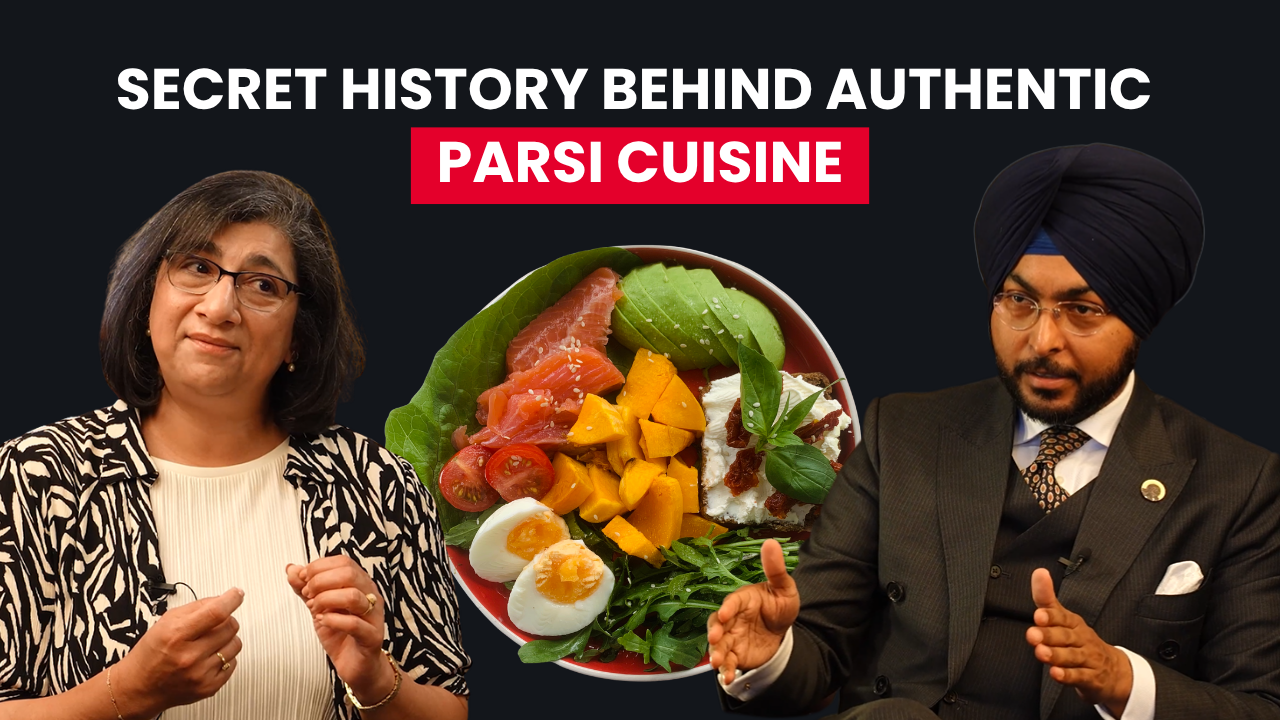
The Origins: Persia and Its Legacy
The story begins in ancient Persia, known today as Iran. This civilisation gave rise to a rich cultural, linguistic, and culinary heritage that continues to influence millions worldwide.
- Persian refers broadly to anything originating from Persia its people, culture, art, and traditions.
- It is a cultural and historical identity, rather than a modern nationality.
What Does “Farsi” Mean?
Farsi is simply the modern name for the Persian language spoken in Iran today.
- It is the linguistic continuation of ancient Persian.
- In countries like Afghanistan and Tajikistan, closely related forms exist (such as Dari).
- When someone says they speak Farsi, they mean they speak Persian.
So, Persian = culture, while Farsi = language.
Who Are the Parsis?
The Parsis are descendants of Persian Zoroastrianism followers who migrated to India over a thousand years ago to preserve their faith.
Settling primarily in Gujarat and later in Mumbai, they gradually adapted to Indian society.
Key characteristics of Parsi identity:
- They retained their religion and core traditions
- They adopted local languages like Gujarati
- They blended Indian customs into their daily lives
Over time, this created a distinct community deeply rooted in Persian ancestry, yet unmistakably Indian in expression.
Watch the complete Podcast on YouTube.
Who Are the Iranis?
The term Iranis usually refers to people who migrated more recently from Iran (often in the 19th and 20th centuries).
Unlike Parsis:
- They tend to retain Farsi as their primary language
- Their customs and rituals are closer to traditional Iranian practices
- Their cuisine remains more authentically Persian
In cities like Mumbai and even globally (e.g., Perth), you’ll find Irani cafés and communities preserving these traditions.
The Key Differences at a Glance
| Term | Meaning | Key Identity |
|---|---|---|
| Persian | Cultural identity from ancient Persia | Broad and historical |
| Farsi | Language spoken in Iran | Linguistic |
| Parsi | Persian-origin community in India | Adapted, hybrid identity |
| Irani | More recent migrants from Iran | Closer to original traditions |
Parsi vs Irani Cuisine: A Culinary Contrast
This cultural divergence is most deliciously visible in food.
Irani (Persian) Cuisine
- Rooted in traditional Persian flavours
- Rich use of saffron, herbs, dried fruits
- Dishes like kebabs, stews, and rice (chelo, tahdig)
Parsi Cuisine
- A unique fusion of Persian, Gujarati, and British influences
- Balances sweet, sour, and spicy flavours
- Incorporates local Indian ingredients and techniques
Some defining features of Parsi food:
- A subtle sweetness added to savoury dishes
- Coastal influences, especially seafood
- Colonial-era adaptations
For example, Lagan nu Custard a beloved Parsi wedding dessert is inspired by British bread-and-butter pudding but transformed into something entirely its own.
Parsi cuisine is not just food it’s history on a plate.
A Living Example of Cultural Adaptation
The evolution from Persian to Parsi identity is a powerful example of how communities adapt while preserving their roots.
- Language shifted from Farsi to Gujarati
- Customs blended with Indian traditions
- Food became a rich cultural fusion
And yet, the connection to Persia remains deeply embedded.
Join Us at Our Upcoming Events
Join Us at the National Child & Family Safety Leadership Summit 2026 will bring together leaders, practitioners, policymakers, researchers and community voices from across the country. This important gathering creates space for meaningful dialogue on the most pressing issues impacting children and families including domestic violence, coercive control, child protection, and community wellbeing.
We look forward to welcoming you to this moving and inspiring celebration of women’s achievements and contributions. Don’t miss this opportunity to hear from one of WA’s most influential scientific leaders, Miquela Riley.