
Understanding the Rising Impact of Family and Domestic Violence on Children and Survivors
Family and domestic violence (FDV) is no longer a hidden issue it is increasingly visible in headlines, communities, and support services. Yet behind every statistic lies a deeply personal story, often involving children who carry trauma far beyond what we see on the surface. As cases continue to rise, particularly in regions such as New South Wales, it becomes urgent to ask not just what is happening, but why and more importantly, what can be done.
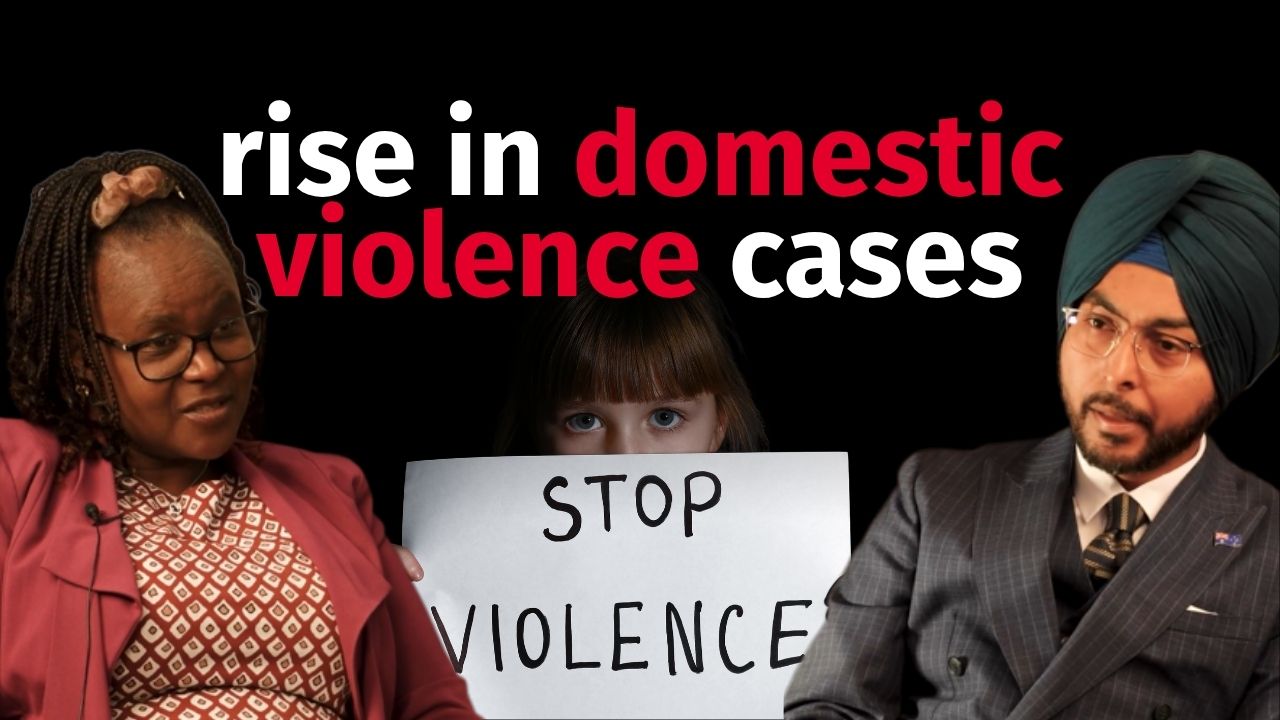
The Hidden Trauma Children Carry
When children witness or experience domestic violence, the impact can be profound and long-lasting. Imagine a 15 year old and a 7 year old exposed to a violent incident involving their parent. These moments don’t simply pass they shape how children see safety, relationships, and themselves.
Children in such environments may:
- Develop anxiety, fear, or behavioural challenges
- Struggle with trust and emotional regulation
- Carry unresolved trauma into adulthood
Without proper support systems trusted adults, safe environments, and trauma informed care these experiences can evolve into intergenerational cycles of harm.
Watch the complete Podcast on YouTube.
Why Are FDV Cases Increasing?
There is no single answer, but several contributing factors are becoming clear:
1. Greater Awareness and Reporting
More people are speaking out, and media coverage has improved. While this can make cases appear to rise sharply, it also reflects a positive shift silence is breaking.
2. Lack of Early Education
Many individuals do not recognise early warning signs of abusive relationships. Without clear, accessible education, harmful patterns often go unnoticed until they escalate.
3. Trauma Repetition and Vulnerability
Survivors of past violence may unknowingly enter similar relationships again. This is not a failure of judgement—it is often linked to unresolved trauma and emotional conditioning.
4. System Gaps
Support services can sometimes feel overwhelming or impersonal. When survivors feel unheard or misunderstood, they may disengage from the very systems meant to help them.
The Importance of a Human-Centred Approach
One of the most powerful insights from frontline work in the FDV space is simple: people need to be heard before they can heal.
Rather than imposing solutions, effective support involves:
- Listening without judgement
- Validating personal experiences
- Recognising individual strength and resilience
- Co-creating recovery pathways with survivors
Every person’s journey is different. A one-size-fits-all approach risks overlooking the very factors that could lead to lasting change.
Making Support Accessible Through Language and Connection
A critical barrier in addressing domestic violence is communication. Complex terminology and clinical language can alienate those seeking help.
Instead, services must:
- Use clear, everyday language
- Provide relatable examples
- Focus on practical understanding of what FDV looks like
When people truly understand their situation, they are better equipped to make informed decisions about their safety and future.
Empowerment as a Path to Breaking the Cycle
Empowerment is not about taking control away from survivors it is about giving it back.
This includes:
- Encouraging independence and self-worth
- Reconnecting individuals with their passions and identity
- Supporting informed choices rather than directing outcomes
When survivors are treated as active participants in their own journey, the likelihood of long-term recovery increases significantly.
Supporting Children: A Collective Responsibility
Children affected by domestic violence need more than protection they need healing environments.
This means:
- Trauma-informed education systems
- Access to counselling and mental health support
- Safe, stable relationships with trusted adults
If these supports are not in place, trauma risks becoming generational, repeating patterns that could have been prevented.
Moving Forward Together
Reducing family and domestic violence requires more than policy it demands community understanding, empathy, and action. By focusing on education, human-centred support, and early intervention, we can begin to shift the trajectory for both survivors and the next generation.
Join the Conversation
If this issue matters to you and it should there is an opportunity to be part of meaningful change.
Join us at the National Child & Family Safety Leadership Summit 2026 on 22nd May 2026. This event will bring together voices from across sectors for a moving and inspiring dialogue on protecting children, supporting families, and building safer communities.
Be part of the conversation. Be part of the solution.