Understanding Family and Domestic Violence Across Cultures: Breaking Silence and Building Support
Family and domestic violence is a complex and deeply sensitive issue that affects individuals across all communities. However, when viewed through a culturally and linguistically diverse (CALD) lens, additional layers of challenge emerge layers shaped by tradition, social norms, and deeply embedded beliefs about family roles and behaviour.
The Role of Culture in Shaping Perceptions
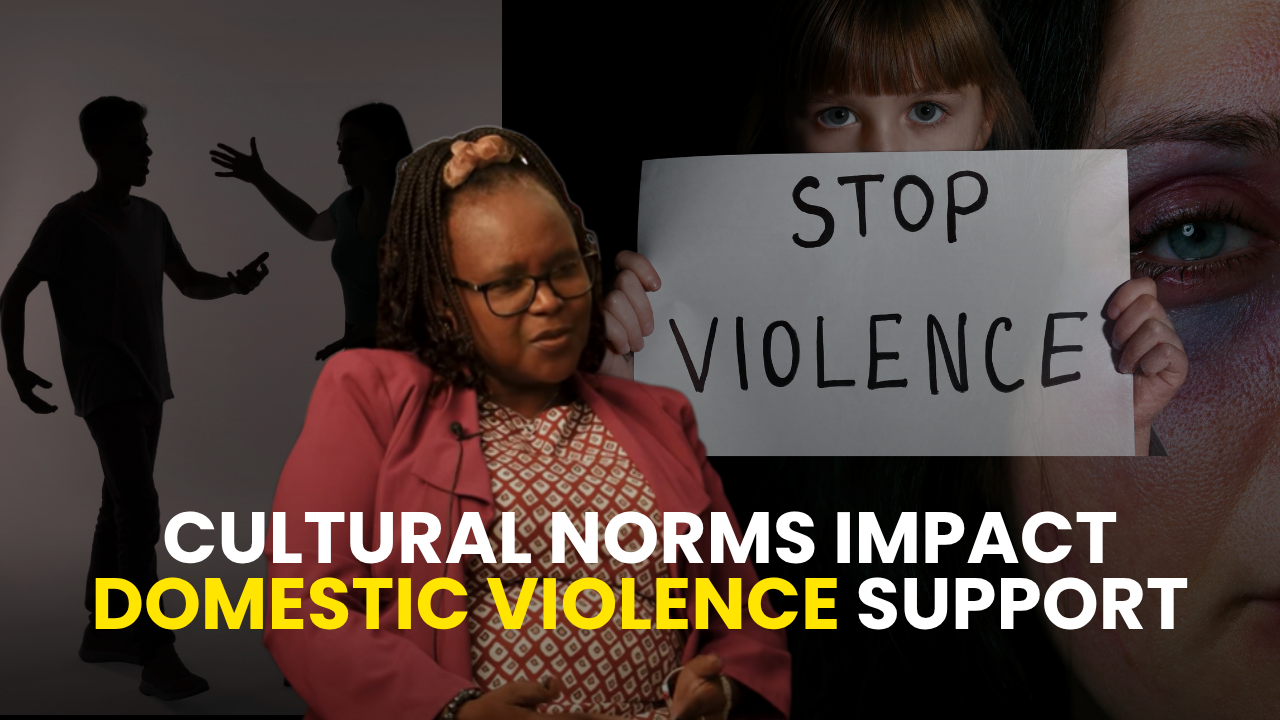
In many cultures, behaviours that constitute family and domestic violence such as controlling actions, emotional abuse, or even certain forms of physical discipline may be normalised or minimised. These patterns are often justified with phrases like, “This is how it has always been done” or “Our parents did the same.”
This normalisation can make it difficult for individuals to recognise abuse, let alone seek help. What is considered unacceptable in one cultural context may be perceived as routine or private in another.
Hidden and Normalised Abuse
One of the most significant challenges in CALD communities is that abuse is often hidden. It may not be openly discussed due to stigma, fear of community judgement, or concerns about bringing shame to the family.
In some cases, even sexual harassment or coercive control may be overlooked or dismissed. This silence can prevent individuals particularly women from accessing support or even understanding that their experiences are valid and deserving of attention.
Watch the Full Podcast on YouTube
Acknowledging Lived Experiences
When working with individuals from diverse cultural backgrounds, it is essential to approach conversations with empathy and cultural awareness.
A powerful starting point is acknowledging their reality:
- Yes, certain behaviours may have been normalised in their upbringing.
- Yes, these experiences are real and impactful.
- But importantly, these behaviours are not acceptable or safe.
Validation does not mean agreement it means recognising someone’s lived experience while gently guiding them towards understanding their rights and options.
Reframing What is “Normal”
A key part of support work is helping individuals redefine what is healthy and respectful in relationships. This involves:
- Naming different types of abuse (emotional, financial, psychological, sexual, and physical)
- Explaining that violence is not limited to physical harm
- Reinforcing that everyone has the right to feel safe and respected
For many, this is the first time they are introduced to these concepts in a clear and supportive way.
Building Trust in Support Services
Another critical step is reassuring individuals that help is available and accessible. In Australia, there are strong legal protections and support services designed to assist those experiencing family and domestic violence.
However, trust is not automatic especially for those who may have experienced systemic barriers, migration stress, or language challenges.
Support providers must:
- Communicate clearly and compassionately
- Provide culturally safe environments
- Offer language support where needed
- Respect confidentiality and individual choice
Moving Forward Together
Addressing family and domestic violence within culturally diverse communities requires a collective effort—one that balances cultural understanding with a firm commitment to safety and human rights.
By breaking silence, challenging harmful norms, and empowering individuals with knowledge and support, we can create safer communities for everyone.
Join Us at Our Upcoming Events
Join Us at the National Child & Family Safety Leadership Summit 2026 will bring together leaders, practitioners, policymakers, researchers and community voices from across the country. This important gathering creates space for meaningful dialogue on the most pressing issues impacting children and families including domestic violence, coercive control, child protection, and community wellbeing.
We look forward to welcoming you to this moving and inspiring celebration of women’s achievements and contributions. Don’t miss this opportunity to hear from one of WA’s most influential scientific leaders, Miquela Riley.