
Balancing Empathy, Business, and Motherhood: Lessons from Real Life
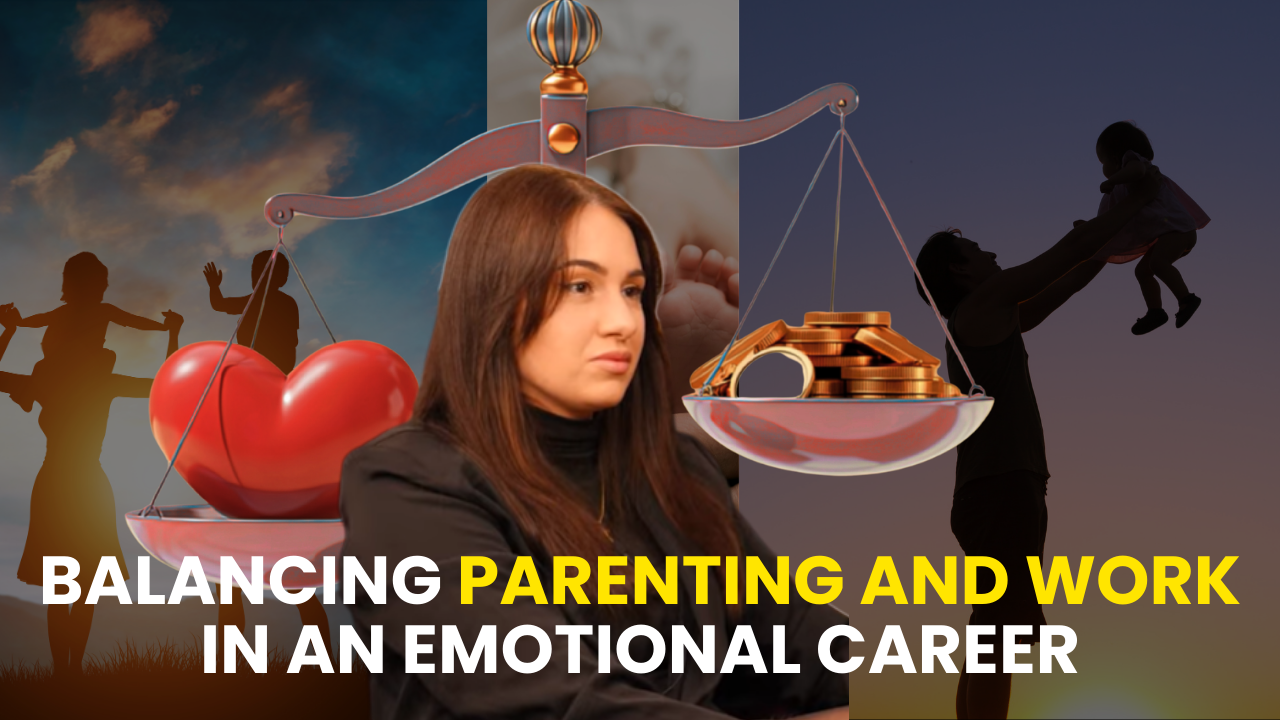
In today’s fast-moving world, the conversation around work-life balance, parenting, and running an empathetic business has never been more relevant. For many women, especially those working in emotionally demanding fields such as disability support, the challenge is not just professional it is deeply personal.
This blog explores the realities of building a purpose-driven career while raising a child, the emotional weight of empathetic work, and why self-care is not a luxury but a necessity.
Understanding Intellectual Disability with Compassion
Explaining complex topics like intellectual disability to children often brings clarity to adults as well.
At its core, an intellectual disability refers to differences in cognitive functioning that can affect how a person learns, communicates, or carries out everyday tasks. These individuals may experience the world differently, and often require additional support to thrive.
What stands out, however, is how naturally children respond—with empathy. When a young child hears that someone may not be able to speak or play in the same way, the immediate response is often simple: “That would be really hard.”
That moment of understanding reminds us that empathy is innate it just needs to be nurtured.
Running an Empathetic Business: More Than Just Work
Building a business in a field centred on care and support is not just about systems or strategy it is about people.
When your work involves supporting individuals with disabilities or navigating complex human experiences, you cannot simply switch off at the end of the day. The emotional weight often follows you home.
This is where boundaries become essential.
Working from home, for example, can blur the line between professional and personal life. What starts as “just checking one email” can quickly turn into hours of work late into the night. Over time, this pattern leads to burnout, even when the original intention was to create more flexibility.
Watch the complete Podcast on YouTube.
The Reality of Work-Life Balance as a Parent
For parents, especially mothers, the idea of balance often feels idealistic.
Many begin their journey into independent work or entrepreneurship with the hope of spending more time with their children. Yet, without clear boundaries, work can quietly take over.
Sometimes, it takes a simple and honest moment from a child to bring things into perspective:
“Mum, you’re always working. I thought you’d have more time for me.”
These moments are powerful. They are not just reminders they are wake-up calls.
Setting Boundaries That Actually Work
Creating balance requires intentional action, not just awareness.
Simple rules can make a meaningful difference:
- No work devices in personal spaces like the bedroom
- Clear start and end times for the workday
- Dedicated, uninterrupted time with family
- Being fully present—mentally and emotionally
These small changes help rebuild the separation between work and home, something that is often lost in remote or flexible working environments.
The Emotional Load of Empathy-Driven Work
One of the most overlooked aspects of empathetic professions is emotional carryover.
When your work involves supporting others through challenges, trauma, or vulnerability, it is easy to internalise those experiences. Over time, especially when personal struggles overlap with professional responsibilities, the emotional load can become overwhelming.
It is no longer just about helping others you are processing your own experiences at the same time.
This is why emotional boundaries are just as important as physical ones.
Why Self-Care Is Not Optional
The term “self-care” is often overused, but its importance cannot be overstated.
Self-care is not indulgent it is protective.
It allows individuals to:
- Recharge emotionally
- Maintain mental clarity
- Show up fully for both work and family
- Prevent long-term burnout
Sometimes, self-care is as simple as stepping away from work at the right time. Other times, it is acknowledging that you need space to process your own experiences.
Either way, it is essential.
Raising Empathetic Children Through Real Conversations
One of the most beautiful outcomes of working in an empathetic field is how it shapes parenting.
Having open conversations with children about topics like disability, difference, and kindness helps build a generation that is more understanding and inclusive.
Children learn not just from what we say, but from what we do. When they see empathy in action, they carry it forward in their own lives.
A Future Built on Empathy and Balance
As more women step into leadership, entrepreneurship, and purpose-driven careers, the conversation must shift from “doing it all” to “doing it sustainably”.
Success should not come at the cost of wellbeing or family.
Instead, the future lies in creating lives that are balanced, meaningful, and aligned with our values—where empathy is a strength, not a burden.
Join Us at Our Upcoming Events
Join Us at the National Child & Family Safety Leadership Summit 2026 will bring together leaders, practitioners, policymakers, researchers and community voices from across the country. This important gathering creates space for meaningful dialogue on the most pressing issues impacting children and families including domestic violence, coercive control, child protection, and community wellbeing.
We look forward to welcoming you to this moving and inspiring celebration of women’s achievements and contributions. Don’t miss this opportunity to hear from one of WA’s most influential scientific leaders, Miquela Riley.