
When Love Hurts: Understanding Emotional Abuse, Self-Worth, and the Journey Back to Real Love
Love is often described as one of the most powerful human experiences. It gives meaning, connection, and hope. But what happens when love is used as a tool for control? When the very thing we long for becomes the reason we feel trapped?
For many, especially those who have experienced emotional vulnerability from a young age, the desire to feel loved and accepted can be deeply rooted. And sometimes, that desire is what makes emotional manipulation so hard to recognise.
The Deep Need for Love and Belonging
At the core of every human being is the need to feel wanted. When someone grows up feeling unwanted or unseen, that longing doesn’t disappear it grows stronger. It shapes how we see ourselves and what we accept from others.
Wanting love doesn’t make someone weak. It makes them human.
But in certain relationships, this natural need can be exploited.
Love Bombing and Emotional Control
One of the most common tactics in emotionally abusive relationships is known as love bombing a pattern where intense affection, attention, and promises are used to draw someone in, only to later withdraw or manipulate that affection.
At first, it feels like everything you’ve ever dreamed of. You feel chosen. Valued. Special.
But over time, it shifts.
You might hear things like:
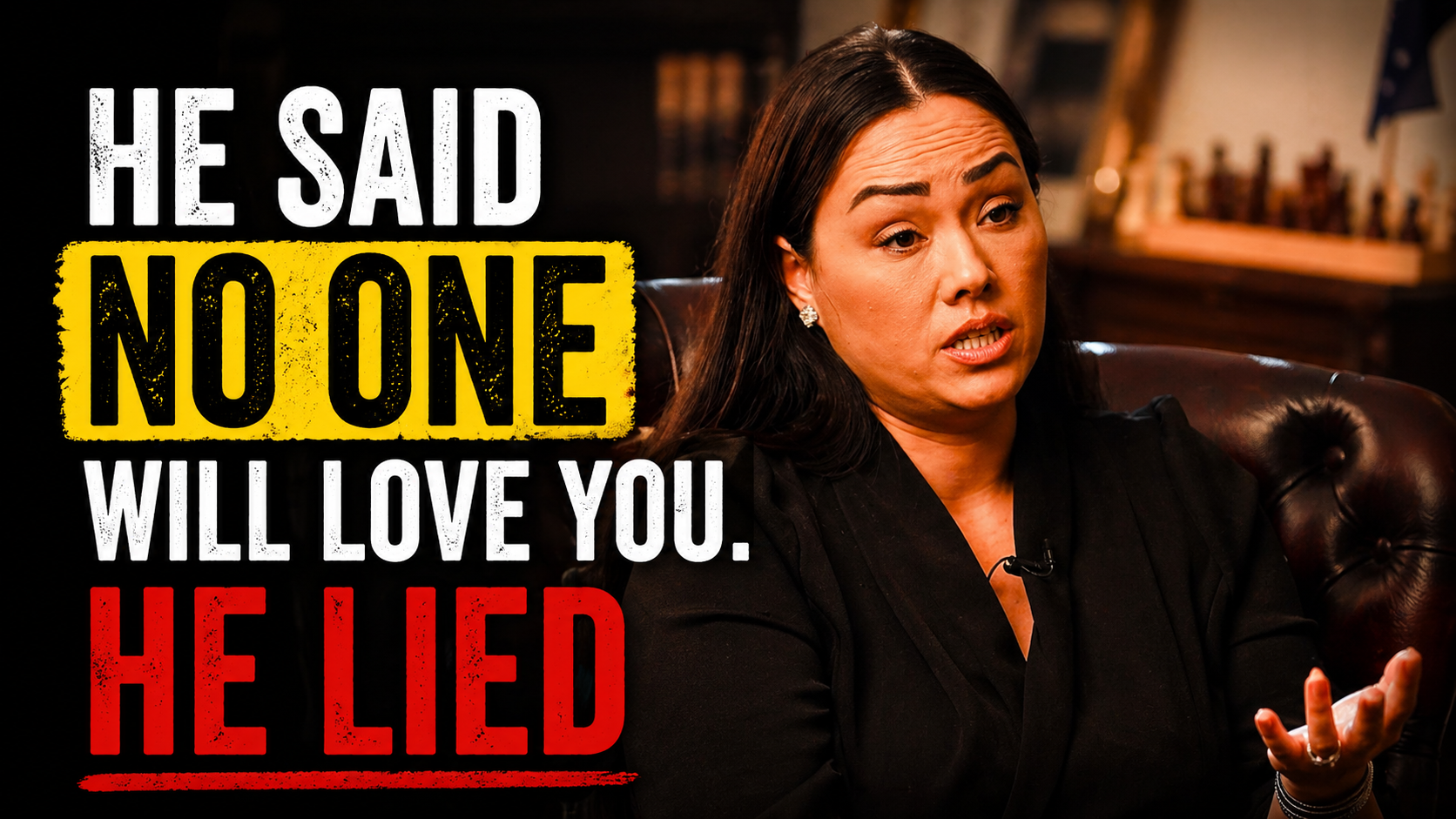
- “No one will ever love you like I do.”
- “You’ll never find anyone else.”
- “You’re lucky I’m here.”
These statements aren’t love they are control. They are designed to create fear, dependency, and self-doubt.
Watch the complete Podcast on YouTube.
How Self-Doubt Gets Weaponised
Emotional abuse often targets insecurities. It chips away at confidence slowly, making a person question their worth.
Comments about appearance, past experiences, or life circumstances—like being a single parent—are used to create a false narrative: that you are somehow “less than” or unworthy of real love.
When repeated often enough, these messages can start to feel true.
And that’s where the trap deepens.
Because if you believe you don’t deserve better, you’re more likely to stay.
The “Hopeless Romantic” Myth
Being a “hopeless romantic” is often misunderstood. It’s not about being naive or unrealistic. At its heart, it’s about believing in love real, kind, accepting love.
It’s about holding onto the idea that:
- Love shouldn’t hurt
- Love should feel safe
- Love should accept you, fully and honestly
That dream—the “white picket fence,” the sense of peace, the feeling of being truly seen—is not foolish. It’s deeply human.
And importantly, it’s valid.
Escaping Through Hope
For many survivors, hope becomes a quiet form of resistance.
Imagining a better future a healthy relationship, a safe home, a partner who truly cares—can become a mental escape during the darkest moments. It’s not denial; it’s survival.
That vision of real love can be the very thing that keeps someone going.
Reclaiming Self-Worth
The turning point often begins with a simple but powerful realisation:
“I deserve love.”
Not conditional love. Not controlling love. But genuine, respectful, and kind love.
It takes time to rebuild that belief, especially after it’s been broken down. But it is possible.
Real love does not:
- Make you feel small
- Use your fears against you
- Ask you to prove your worth
Real love:
- Accepts your past
- Supports your growth
- Makes you feel safe, not scared
Moving Towards Healthier Relationships
Healing from emotional abuse is not a straight path. It involves unlearning harmful patterns, rebuilding confidence, and often seeking support from others.
But one truth remains constant:
You are not defined by what someone else told you about your worth.
You are allowed to believe in love again.
You are allowed to dream.
And you are absolutely allowed to have the kind of love that doesn’t hurt.
Join the Conversation
Stories like these matter. They shine a light on the realities of emotional abuse and the importance of creating safer, more supportive environments for individuals and families.
We invite you to be part of this important dialogue at the National Child & Family Safety Leadership Summit 2026 on 22 May 2026.
Join us for a moving and inspiring experience where voices are heard, stories are shared, and meaningful change begins. Together, we can build a future where love is safe, supportive, and truly empowering for everyone.
Be part of the change.