Breaking the Silence: Understanding Domestic Abuse and the Strength to Walk Away
Domestic abuse remains one of the most urgent yet often hidden issues in our society. Behind closed doors, countless individuals endure cycles of violence, control, and manipulation that gradually erode their sense of self. This conversation sheds light on the lived reality of abuse—how it begins subtly, escalates over time, and affects every aspect of a person’s life. By understanding these patterns, we not only raise awareness but also create space for empathy, support, and meaningful change.
How Abuse Often Begins: Subtle Signs That Are Easy to Miss
Abuse rarely starts with visible violence. In many cases, it begins quietly through emotional manipulation, testing boundaries, and controlling behaviour masked as care or affection.
In this story, the abuse began just three months into the relationship, initially with a physical incident. But alongside it were subtle behaviours testing reactions, creating dependency, and gradually isolating the victim. These early warning signs are often overlooked, making it harder to recognise the danger until it escalates.
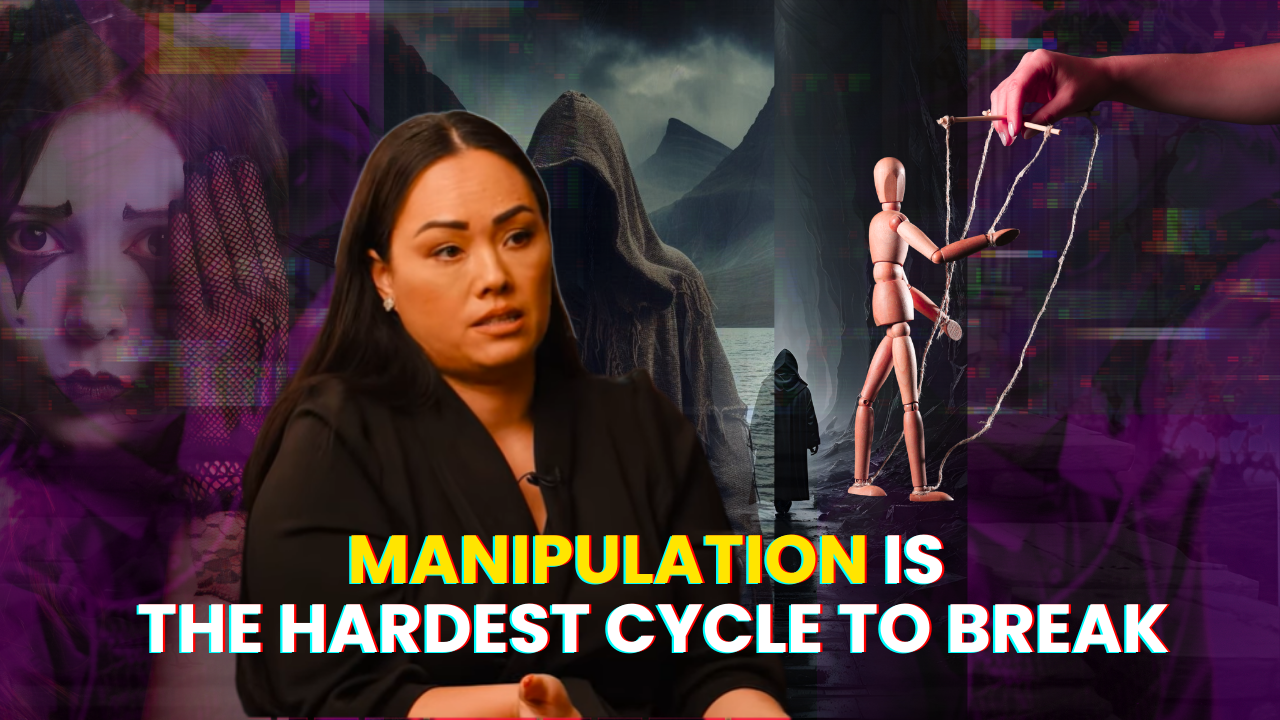
Abusers can be highly manipulative, carefully shaping situations to maintain control while making the victim question their own reality.
The Escalation: From Control to Violence
Over time, the abuse intensified. Physical violence became more frequent and severe, leaving visible injuries that had to be hidden behind makeup or clothing even in the heat of summer.
There were hospital visits, broken bones, and moments of violence witnessed by a young child. These are not isolated incidents but part of a pattern where control and fear are used to dominate every aspect of life.
This escalation is common in abusive relationships, where periods of affection are interwoven with harm, creating confusion and emotional dependency.
Watch the complete Podcast on YouTube.
Beyond Physical Harm: Emotional and Financial Abuse
Domestic abuse is not limited to physical violence. It often extends into emotional and financial control, leaving long-term scars.
- Emotional abuse included daily insults, name-calling, and constant criticism that diminished self-worth.
- Financial abuse left the survivor burdened with significant debt, even after leaving the relationship.
- Sexual abuse further compounded the trauma, removing autonomy and dignity.
These layers of abuse work together to trap individuals, making it incredibly difficult to leave.
Isolation and Shame: The Invisible Barriers
One of the most powerful tools of an abuser is isolation. Victims are often distanced from friends and family, either directly or through feelings of shame and embarrassment.
In this case, the survivor avoided loved ones, hid injuries during video calls, and withdrew from social connections. Even when someone reached out, fear and defensiveness created further distance.
This isolation reinforces the cycle of abuse, making the victim feel alone and unsupported.
The Long Road After Leaving
Leaving an abusive relationship is not the end of the struggle it is often the beginning of a new set of challenges.
The survivor carried financial burdens for years, dealing with debt, damaged credit, and the emotional aftermath of prolonged abuse. Healing is not immediate; it is a gradual process that requires support, resilience, and time.
Yet, choosing to leave is an act of immense courage.
Why These Conversations Matter
Stories like this are difficult to hear, but they are essential. They remind us that abuse can happen to anyone, often in ways that are not immediately visible.
By speaking openly, we:
- Break the stigma surrounding abuse
- Encourage others to seek help
- Build a more informed and compassionate society
Awareness is the first step towards prevention and support.
Join Us at Our Upcoming Events
Join Us at the National Child & Family Safety Leadership Summit 2026 will bring together leaders, practitioners, policymakers, researchers and community voices from across the country. This important gathering creates space for meaningful dialogue on the most pressing issues impacting children and families including domestic violence, coercive control, child protection, and community wellbeing.
We look forward to welcoming you to this moving and inspiring celebration of women’s achievements and contributions. Don’t miss this opportunity to hear from one of WA’s most influential scientific leaders, Miquela Riley.