
Why Culturally Safe, Person-Centred Care Must Start From Day One
In today’s diverse Australia, delivering truly person-centred care means more than meeting clinical needs. It means recognising that language, culture and lived experience are not optional extras they are essential to how care should be designed and delivered from the very beginning.
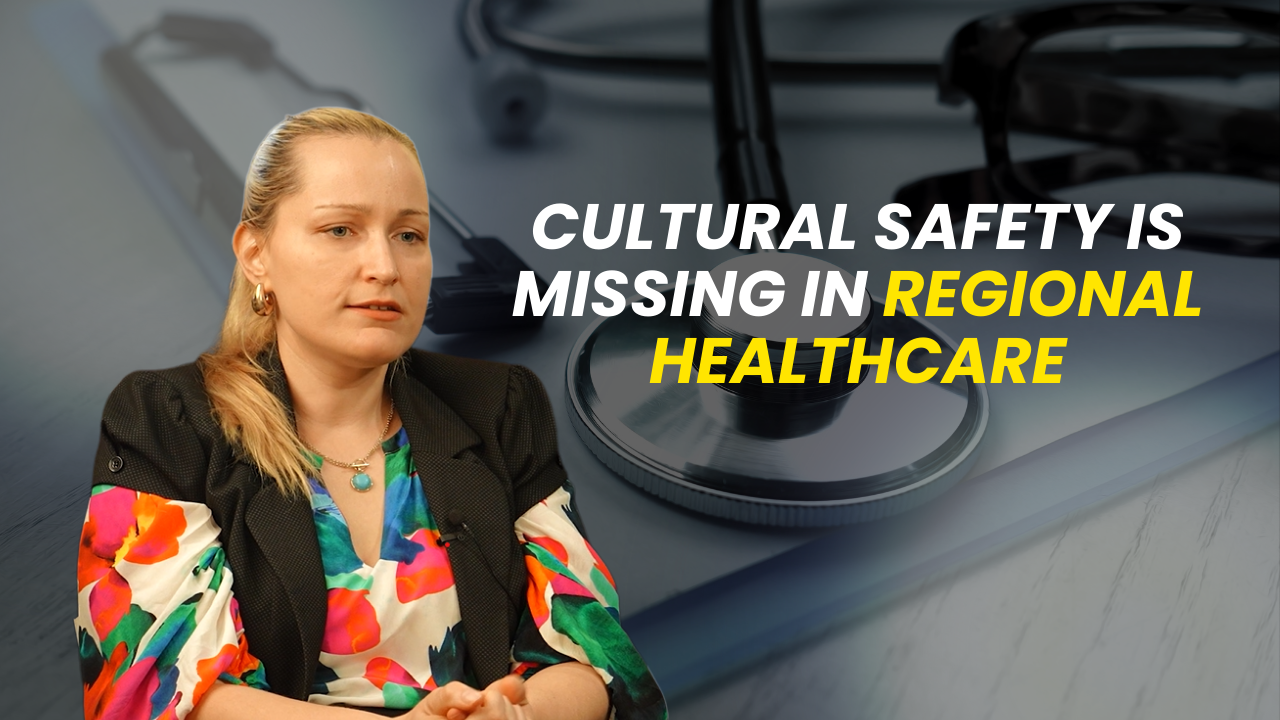
The challenge beyond metropolitan areas
In major cities, access to services is often taken for granted. Providers, interpreters and specialist support are usually available within reach. But as soon as services move into regional and remote communities, the reality changes dramatically. Distance increases, workforce availability drops, and service delivery becomes more complex.
In these environments, cultural care is too often treated as a secondary concern. Providers focus first on whether a nurse, cleaner or support worker can physically reach a client. Cultural needs become a “nice to have” rather than a core requirement. Unfortunately, this mindset creates gaps in trust, communication and outcomes.
Multicultural care is not a compliance exercise
One of the biggest barriers in the health and aged care sectors is the tendency to view multiculturalism as a compliance requirement. Organisations ask themselves:
Have we ticked the box?
Have we met the requirement?
This approach reduces culture to paperwork. When diversity is framed as compliance, it becomes an add-on instead of a foundation. The result is services that technically meet regulations but fail to fully support the people they aim to serve.
Culturally safe care should never be an afterthought. It must shape how services are designed, delivered and evaluated from the start.
Watch the Complete Podcast on YouTube.
What true person-centred care really means
Person-centred care is often discussed, but not always fully understood. At its heart, it means building support around the individual not fitting the individual into an existing system.
True person-centred care recognises that culture and language are inseparable from identity. They shape how people communicate, how they understand health, and how they build trust with providers.
For many people, culture is not an optional preference. It is a fundamental part of who they are. When services ignore this, even unintentionally, people can feel unseen and misunderstood.
Moving from “nice to have” to essential
The future of healthcare, aged care and community services must move beyond the idea that diversity is simply a positive addition. It is essential infrastructure.
This shift requires organisations to:
- Design services around cultural and linguistic needs from the outset
- Invest in culturally competent workforces
- Build partnerships with diverse communities
- Treat inclusion as a core strategy, not a compliance task
When cultural safety becomes foundational, services become more effective, more trusted and more equitable.
Why this conversation matters now
Australia’s population is becoming increasingly diverse, and regional communities are no exception. The need for culturally safe care will only continue to grow. Organisations that embrace this shift early will be better positioned to meet future challenges and deliver meaningful impact.
Because for many people, language and culture are not “extras”. They are the story of who they are.
Join Us: WA International Women’s Day 2026 – Leaders Breakfast Event
Join us at the WA International Women’s Day 2026 – Leaders Breakfast Event. This special breakfast honours remarkable women who shaped Western Australia’s history through leadership, activism, motherhood, caregiving, and community building.
Event Details:
Date: Friday, 6 March 2026
Time: 6:30am to 10:00am AWST
Venue: State Reception Centre, Fraser’s Kings Park
We look forward to welcoming you to this moving and inspiring celebration of women’s achievements and contributions.