
Compassionate Communities and Palliative Care: Rethinking How We Support Life’s Final Chapter
As populations age and healthcare systems face increasing pressure, the conversation around palliative care in Australia is becoming more urgent than ever. Yet, despite its importance, many people still misunderstand what palliative care truly means. It is often associated only with end-of-life medical treatment, when in reality, it is about living well right until the very end.
Across Australia and globally, a growing movement known as compassionate communities is reshaping how we approach care for people with life-limiting illnesses. This model goes beyond hospitals and clinical settings, placing communities at the heart of care offering emotional, social, and practical support not just to patients, but to families as well.
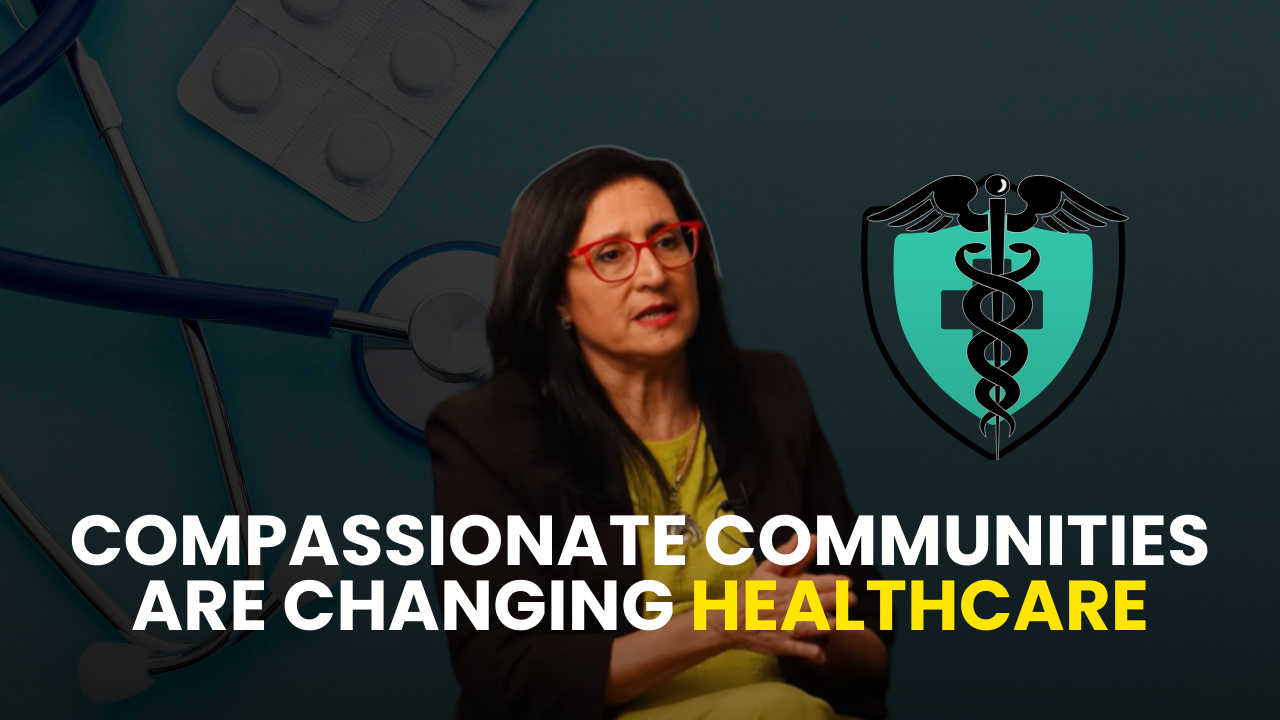
Understanding Palliative Care Beyond the Clinical Lens
Palliative care is not about giving up it is about shifting focus. When a cure is no longer possible, care transitions towards comfort, dignity, and quality of life.
However, there is a widespread misconception. Many people assume that palliative care means death is imminent. In reality, it can begin much earlier and support individuals for months or even years.
True palliative care includes:
- Symptom management and clinical support
- Emotional and psychological care
- Spiritual and existential support
- Family and caregiver assistance
- Bereavement support
Yet, much of the funding and attention still leans heavily towards clinical services, leaving these equally vital aspects underdeveloped and often overlooked.
Watch the complete Podcast on YouTube.
The Reality of Ageing and Life-Limiting Illness in Australia
Australia is experiencing a significant demographic shift. With an ageing population, the demand for palliative care is rising rapidly.
- Around 25% of deaths in Australia are due to cancer, which receives a large share of palliative care resources
- The remaining 75% involve conditions such as neurological disorders, genetic illnesses, and chronic diseases many of which receive far less attention and support
- Increasing life expectancy means more people are living longer with complex, chronic conditions
Compared to many countries, Australia is ageing at a steady but impactful pace, placing pressure on healthcare systems that are not fully equipped to deliver holistic, long-term care.
The Gap: Psychosocial and Community-Based Support
While clinical care is essential, what most individuals and families truly need goes beyond medicine.
They need:
- Someone to talk to
- Help with daily tasks
- Emotional reassurance
- A sense of connection and belonging
Unfortunately, these needs are often met inconsistently. This gap is exactly what the compassionate communities movement aims to address.
What Are Compassionate Communities?
Compassionate communities are built on a simple but powerful idea: care is everyone’s responsibility, not just the healthcare system’s.
Instead of relying solely on hospitals, communities come together to support people facing serious illness, ageing, or grief.
This includes:
- Neighbours offering practical help
- Volunteers providing companionship
- Local networks supporting families
One innovative example is the Compassionate Connector Program in Western Australia.
Real Impact: The Compassionate Connector Model
The Compassionate Connector Program demonstrated what happens when communities actively participate in care.
Trained volunteers known as “connectors” worked alongside palliative care services to support families. Their role was not clinical, but deeply human.
They helped:
- Build support networks around families
- Reduce social isolation
- Provide practical and emotional assistance
The results were striking:
- Fewer hospital admissions
- Shorter hospital stays
- Reduced emergency department visits
- Increased use of outpatient and community-based care
For example, individuals with chronic conditions like COPD often experience anxiety, especially during weekends. Previously, this led to frequent hospital visits. With community support in place, many of these admissions were avoided.
Why This Approach Matters Now More Than Ever
Healthcare systems alone cannot meet the growing demand for palliative care. Nor should they have to.
Compassionate communities offer:
- More sustainable care models
- Reduced healthcare costs
- Stronger social connections
- Better quality of life for patients and families
Most importantly, they restore a sense of humanity and dignity to care something that cannot be delivered through clinical services alone.
Changing the Narrative Around Palliative Care
One of the biggest challenges remains awareness.
We need to move away from the idea that palliative care equals “the final days.” Instead, it should be understood as support for living well, even with serious illness.
By educating communities and encouraging participation, we can:
- Reduce fear and stigma
- Empower families
- Create more compassionate, connected societies
Join Us at Our Upcoming Events
Join Us at the National Child & Family Safety Leadership Summit 2026 will bring together leaders, practitioners, policymakers, researchers and community voices from across the country. This important gathering creates space for meaningful dialogue on the most pressing issues impacting children and families including domestic violence, coercive control, child protection, and community wellbeing.
We look forward to welcoming you to this moving and inspiring celebration of women’s achievements and contributions. Don’t miss this opportunity to hear from one of WA’s most influential scientific leaders, Miquela Riley.