
When a Child Feels Unwanted: The Long Shadow of Parental Rejection
Primary Keywords: parental rejection, childhood trauma, emotional neglect, healing from rejection
Secondary Keywords: sense of belonging, inner child healing, women’s resilience, caregiving roles, emotional wellbeing
There are few wounds as deep as feeling unwanted by your own parents. Parental rejection in childhood can quietly shape a person’s self-worth, relationships and emotional wellbeing for decades. While the world’s criticism can be brushed aside, words spoken within the family home often linger for life.
In many families, particularly where hardship is present, children step into adult roles far too early. They care for siblings, support injured or struggling parents, and hold households together. Yet when those same children hear, “I don’t want her here,” the pain cuts through every sacrifice they have made. The sense of rejection becomes more than a moment it becomes a story they carry about themselves.
This article explores the emotional impact of childhood trauma linked to parental rejection, why it stays with us, and how healing is possible.
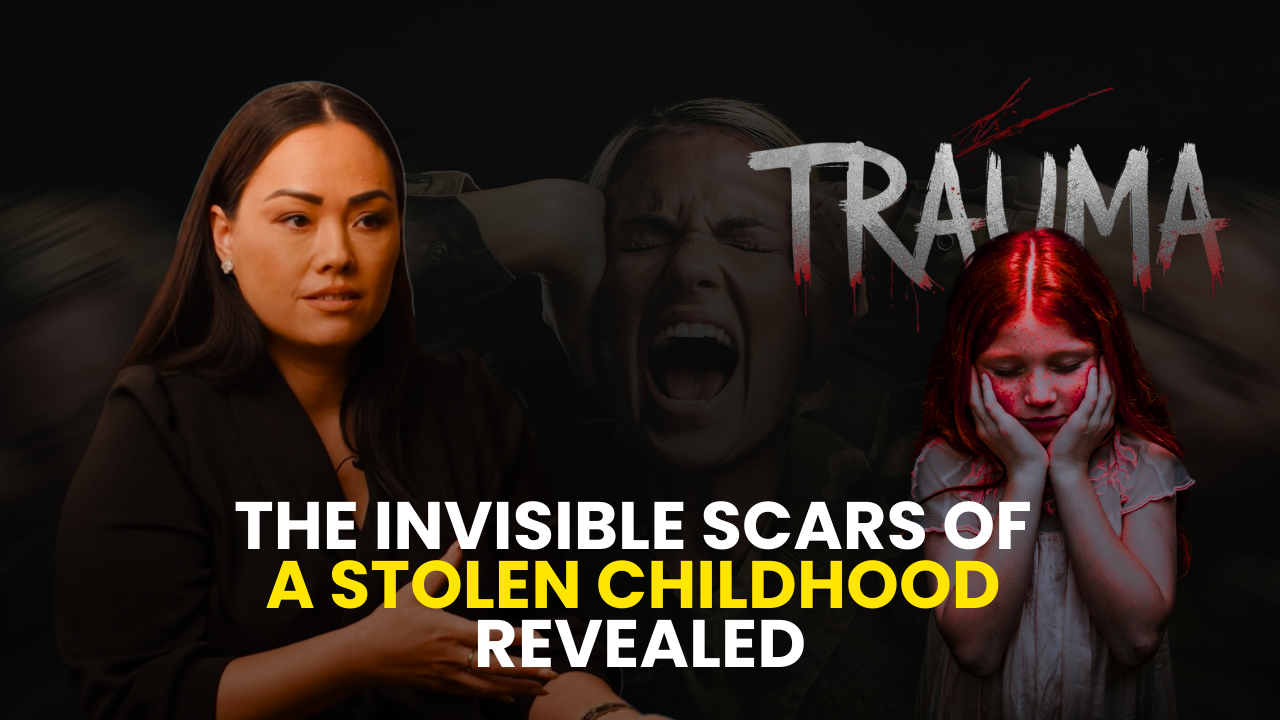
The Hidden Burden of Parentified Children
Some children grow up faster than they should. Psychologists often refer to this as parentification — when a child assumes responsibilities typically carried by adults. This might involve:
- Caring for younger siblings
- Managing household duties
- Providing emotional support to parents
- Sacrificing personal needs for family stability
While these children are often praised as “mature” or “responsible”, the cost can be significant. Their own emotional needs frequently go unmet. When love and security feel conditional, the child learns to suppress pain and simply “carry on”.
In adulthood, this can manifest as:
- Difficulty expressing needs
- A constant drive to prove worth
- Fear of rejection
- Low self-confidence despite high capability
Why Parental Words Leave a Lifelong Mark
A child’s sense of safety is deeply tied to their parents. When rejection comes from that source, it challenges the most fundamental belief: “I am loved and I belong.”
Even a single moment overhearing a parent say they do not want you can imprint itself vividly in memory. Decades later, many adults can recall the exact words, tone and feeling.
The impact of emotional neglect or rejection often includes:
- Persistent feelings of being unwanted
- Overachievement to seek validation
- Suppressing emotions to avoid conflict
- Struggles with trust in close relationships
Children rarely respond with confrontation. Instead, they cope by suppression. They go to school, stay out of trouble, and quietly sweep the pain “under the rug”. Survival becomes the priority.
Watch the complete Podcast on YouTube.
The Deep Pain of Rejection
Rejection strikes at identity. When it comes from parents, it can feel like confirmation of personal inadequacy even when the reality is far more complex.
Parents, particularly in blended families or difficult circumstances, may act from fear, stress or misunderstanding. Yet for the child, the message received is simple: “Nobody wants me.”
This belief can become an internal narrative carried into adulthood unless consciously addressed.
Healing from Childhood Rejection
The good news is that healing is possible. Emotional wounds do not have to define the rest of life. Many women and men who experienced childhood trauma go on to build extraordinary resilience and empathy.
Steps towards healing often include:
1. Acknowledging the Hurt
Suppression may have worked in childhood, but healing begins with recognition. Naming the pain reduces its hidden power.
2. Reframing the Story
The rejection was not proof of unworthiness. It was often a reflection of adult limitations, stress or unresolved issues.
3. Reconnecting with Self-Worth
Developing self-compassion and recognising the strength it took to survive can rebuild confidence.
4. Seeking Support
Counselling, mentoring or supportive community spaces provide safe environments to process early wounds.
The Strength of Women Who Carried Too Much
Across Queensland and beyond countless women have carried similar burdens. Many sacrificed their childhoods to support families, nurture siblings, and hold communities together. Their contributions often go unnoticed because caregiving, emotional labour and quiet resilience rarely make headlines.
Yet these women are the backbone of families and communities. Their strength has shaped households, neighbourhoods and, ultimately, the state itself.
Join Us at Our Upcoming Events
Join Us at the National Child & Family Safety Leadership Summit 2026 will bring together leaders, practitioners, policymakers, researchers and community voices from across the country. This important gathering creates space for meaningful dialogue on the most pressing issues impacting children and families including domestic violence, coercive control, child protection, and community wellbeing.
We look forward to welcoming you to this moving and inspiring celebration of women’s achievements and contributions. Don’t miss this opportunity to hear from one of WA’s most influential scientific leaders, Miquela Riley.