
Business Brand vs Personal Brand: Why Strategy Matters More Than Just a Logo
Branding is often misunderstood. Many businesses believe that a new logo, a redesigned website, or a fresh colour palette will suddenly transform their results. While visual identity plays a role, true branding is far deeper than aesthetics. It is about intention, strategy, and clarity about who you serve.
For entrepreneurs and growing organisations, one of the most common challenges is understanding the difference between a business brand and a personal brand and how the two should work together rather than compete.
Without a clear strategy behind both, branding can become reactive and scattered. But when approached with intention, it becomes a powerful tool for growth, connection, and long-term impact.
Understanding the Difference Between a Business Brand and a Personal Brand
At its core, a business brand represents the organisation itself its purpose, services, and the value it delivers to its customers. It exists independently of any individual, allowing the company to grow beyond one person.
A personal brand, on the other hand, revolves around an individual. It reflects their voice, expertise, personality, and influence.
Many entrepreneurs unintentionally blur the two.
They build a business brand that is overly centred on themselves rather than on the clients they serve. While personality can strengthen a brand, it should never overshadow the core mission of the business.
A well-structured brand strategy ensures that:
- The business brand attracts the right audience
- The personal brand enhances authority and credibility
- Both brands complement each other rather than compete
Why Intention Is the Foundation of Effective Branding
One of the biggest mistakes businesses make is branding without a clear intention.
Before creating or refreshing a brand, it is essential to ask:
- Who is the ideal client?
- What problem does the business solve?
- What is the long-term vision?
- Is the goal growth, authority, or expansion into new services?
Without answering these questions, branding becomes a series of disconnected actions—new logos, new colours, new websites without a strategic direction.
When businesses operate without a clear brand intention, they often end up doing things haphazardly and hoping for the best rather than building a brand with purpose.
Watch the complete Podcast on YouTube.
When a Personal Brand Becomes Valuable
A personal brand can be incredibly powerful particularly for founders, consultants, and entrepreneurs building multiple ventures.
For example, when someone runs:
- a podcast
- a creative agency
- a product line
- speaking engagements
a personal brand can act as the umbrella connecting all these ventures.
It allows audiences to follow the individual across different projects while reinforcing credibility and trust.
It also offers flexibility. If the entrepreneur later moves into coaching, advisory roles, or new ventures, the personal brand remains the central platform.
However, the key is balance.
Content shared on a personal platform should not simply duplicate what appears on the business brand. Each should serve a different audience or purpose.
Branding a Mature Business: When Change Is (and Isn’t) Necessary
For businesses that have operated successfully for years, branding decisions require even greater care.
Some organisations rebrand simply because they feel they should—rather than because a strategic shift requires it.
But a new logo alone rarely produces different results.
Brand transformation should only occur when there is a clear strategic reason, such as:
- entering new markets
- targeting a different audience
- restructuring multiple businesses
- repositioning within the industry
In these cases, a discovery phase becomes essential.
This process examines the entire business landscape its structure, audience, vision, and opportunities for growth.
When Branding Brings Clarity to Complex Businesses
Sometimes, businesses grow organically over many years and become fragmented.
It is not uncommon to see entrepreneurs operating multiple ventures that appear disconnected—even when they share the same underlying vision.
Through strategic branding, these businesses can often be simplified into a clearer structure.
For instance, several different companies may be unified under a single umbrella brand, often based on the founder’s name or family name. From there, each service or division becomes part of a larger brand ecosystem.
The result is a stronger perception of scale, professionalism, and coherence.
Instead of appearing like scattered businesses, the organisation begins to look like a well-structured enterprise.
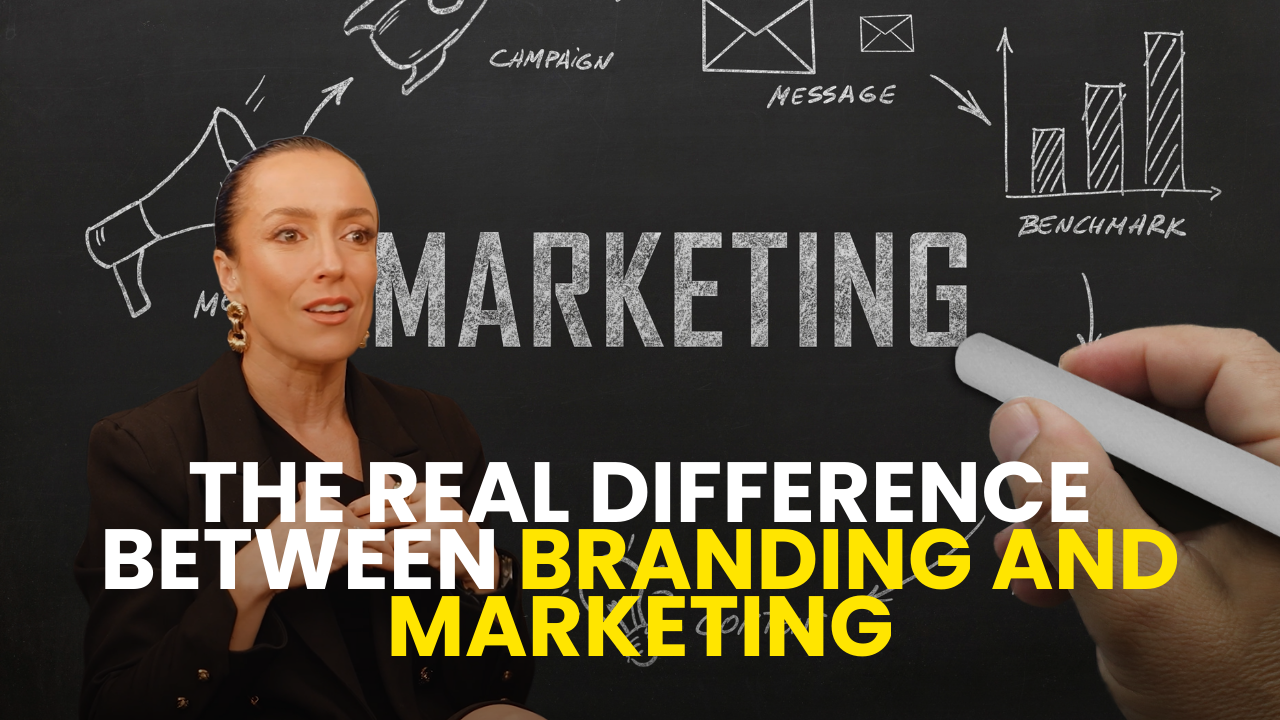
Branding vs Marketing: Understanding the Difference
Another frequent misconception is confusing branding with marketing.
A helpful way to think about it is through a simple analogy.
Marketing is asking someone on a date.
Branding is the reason they say yes.
Marketing generates visibility and outreach. Branding shapes perception.
If a business invests heavily in marketing but has weak branding, the results are often disappointing. The message lacks clarity, and potential clients struggle to understand the value being offered.
On the other hand, strong branding makes marketing more effective because the audience immediately understands who the business is and why it matters.
Why Websites Fail Without Brand Strategy
Many companies invest heavily in building beautiful websites without first defining their brand strategy.
The result is often a visually appealing site that does little to generate leads or growth.
Without clarity on:
- the ideal client
- brand positioning
- messaging
- value proposition
a website becomes little more than an online brochure.
Businesses can spend tens of thousands of pounds on web design yet see minimal return simply because the brand foundation was never established.
Building Brands with Purpose
Ultimately, branding is not about aesthetics it is about alignment.
It connects a business’s purpose, audience, and strategy into a clear and compelling identity.
When done correctly, branding becomes a catalyst for growth, helping businesses attract the right clients, communicate their value, and build lasting trust.
For entrepreneurs building ambitious ventures or expanding into multiple pathways, thoughtful branding is not a luxury it is a necessity.
Join Us at Our Upcoming Events
Join Us at the National Child & Family Safety Leadership Summit 2026 will bring together leaders, practitioners, policymakers, researchers and community voices from across the country. This important gathering creates space for meaningful dialogue on the most pressing issues impacting children and families including domestic violence, coercive control, child protection, and community wellbeing.
We look forward to welcoming you to this moving and inspiring celebration of women’s achievements and contributions. Don’t miss this opportunity to hear from one of WA’s most influential scientific leaders, Miquela Riley.