
Why Compassion Must Be Visible: Preparing Communities for Grief, Loss and Human Connection
In today’s fast-paced world, grief and loss are often hidden behind closed doors. While compassion naturally arises when tragedy touches our own lives or families, a deeper question remains: how do we build empathy in people who have never experienced profound loss?
This challenge sits at the heart of building stronger, more connected communities especially at a time when emotional resilience and social understanding are more important than ever.
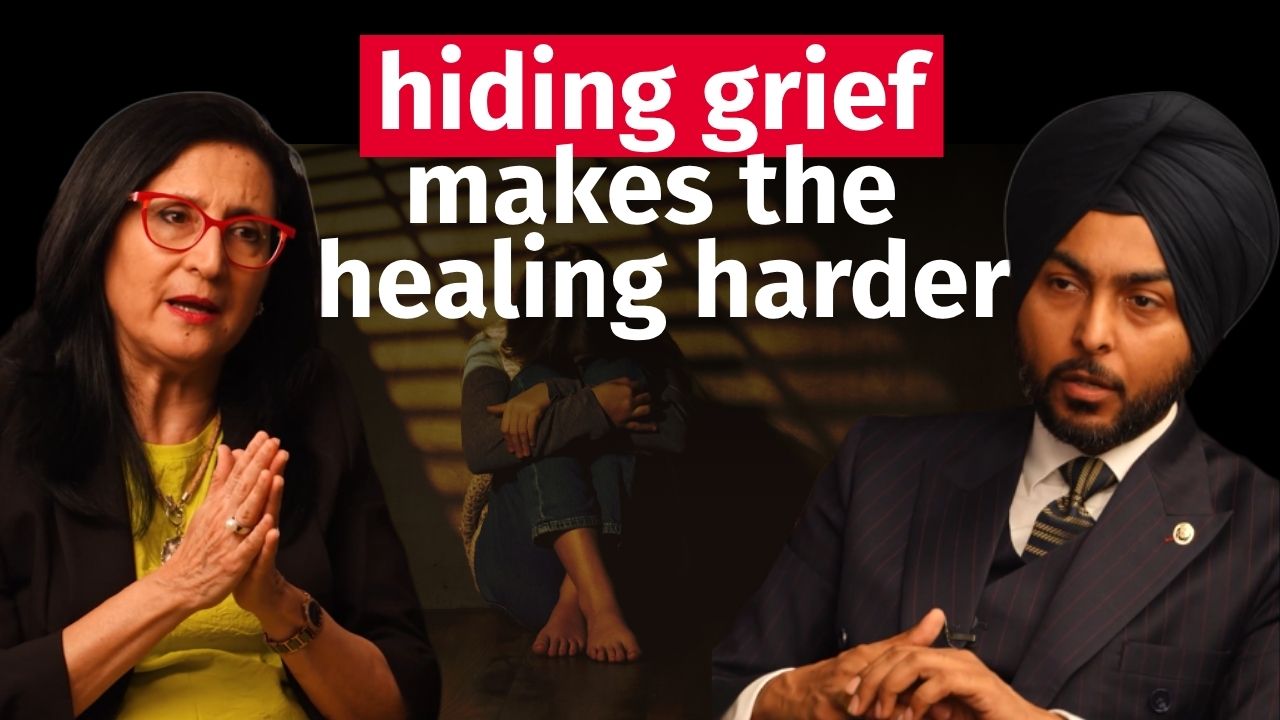
The Growing Distance from Grief
Modern society has, in many ways, distanced itself from death and mourning. Where once families and communities gathered closely around loss, today the process is often clinical and removed.
For example:
- Many people pass away in hospitals, away from familiar surroundings
- The transition from hospital to funeral services happens quickly and quietly
- Younger generations rarely witness the natural process of grieving within families
This distance creates a significant gap. Without exposure to grief, individuals may struggle to understand its depth, leaving them emotionally unprepared when loss inevitably enters their own lives.
Why Experiencing Grief Matters
Grief is not just an emotional response it is a deeply human experience that teaches empathy, patience, and connection.
When people grow up in environments where grief is visible:
- They learn how to support others in difficult times
- They understand the importance of community and shared healing
- They develop emotional resilience and compassion
Without these experiences, empathy becomes abstract something understood intellectually but not felt deeply.
Watch the complete Podcast on YouTube.
Making Compassion Visible Again
The solution is not to force hardship, but to make compassion visible in everyday life.
Simple, meaningful practices can help:
- Acknowledging loss openly within communities
- Creating respectful and dignified farewells
- Encouraging shared moments of remembrance
For instance, some aged care facilities have begun reintroducing dignified farewell practices—allowing residents and staff to say goodbye as a person is respectfully taken through shared spaces. These small acts restore humanity and connection to moments that are often hidden.
Building Compassionate Communities
A powerful example of this approach can be seen in initiatives like the Compassionate City Charter developed in Bunbury.
Through collaboration with local councils, community members, and leaders, such initiatives aim to:
- Encourage open conversations about grief and loss
- Promote acts of kindness and empathy
- Provide practical tools for individuals to support one another
By engaging the community directly, compassion becomes a shared responsibility rather than an individual burden.
Celebrating Compassion in Action
Recognising and celebrating compassion is another vital step.
Events like Compassionate Communities Day highlight the importance of empathy in everyday life. Communities can:
- Honour individuals who demonstrate exceptional kindness
- Share stories that inspire others
- Encourage organisations to adopt compassionate practices
Awards and recognition programmes not only validate these efforts but also make compassion visible and aspirational.
Practical Ways to Foster Empathy
Empathy can be nurtured—even without direct experience of grief—through intentional action:
- Storytelling: Sharing real-life experiences helps people connect emotionally
- Education: Providing accessible resources on grief and emotional wellbeing
- Community engagement: Encouraging participation in support networks
- Small acts of kindness: Everyday gestures that build connection and trust
When compassion is seen, shared, and celebrated, it becomes part of the social fabric.
Preparing for the Inevitable
Grief is a universal experience no one is exempt. The question is not if we will encounter it, but how prepared we are when it comes.
By making compassion visible, fostering open dialogue, and building supportive communities, we can ensure that individuals are not facing grief alone or unprepared.
Join the Movement Towards Safer, More Compassionate Communities
Creating compassionate, resilient communities requires collective effort and meaningful conversations.
Join us at the National Child & Family Safety Leadership Summit 2026 on 22nd May 2026.
Be part of a moving and inspiring gathering that brings together leaders, professionals, and communities committed to protecting children, supporting families, and fostering compassion at every level.
Together, we can build a future where empathy is not rare—but recognised, practised, and shared every day.