
How to Build Confidence, Authenticity and Vulnerability on Camera
In today’s digital world, your presence on camera is no longer optional it is essential. Whether you are a CEO, entrepreneur, advocate or emerging leader, your ability to communicate with clarity and authenticity on video shapes how people perceive your credibility, leadership and brand.
Yet for many accomplished professionals, stepping in front of a camera feels far more intimidating than stepping onto a stage.
So how do you train someone particularly a “clean slate” to speak confidently, authentically and vulnerably on camera?
Let’s explore.
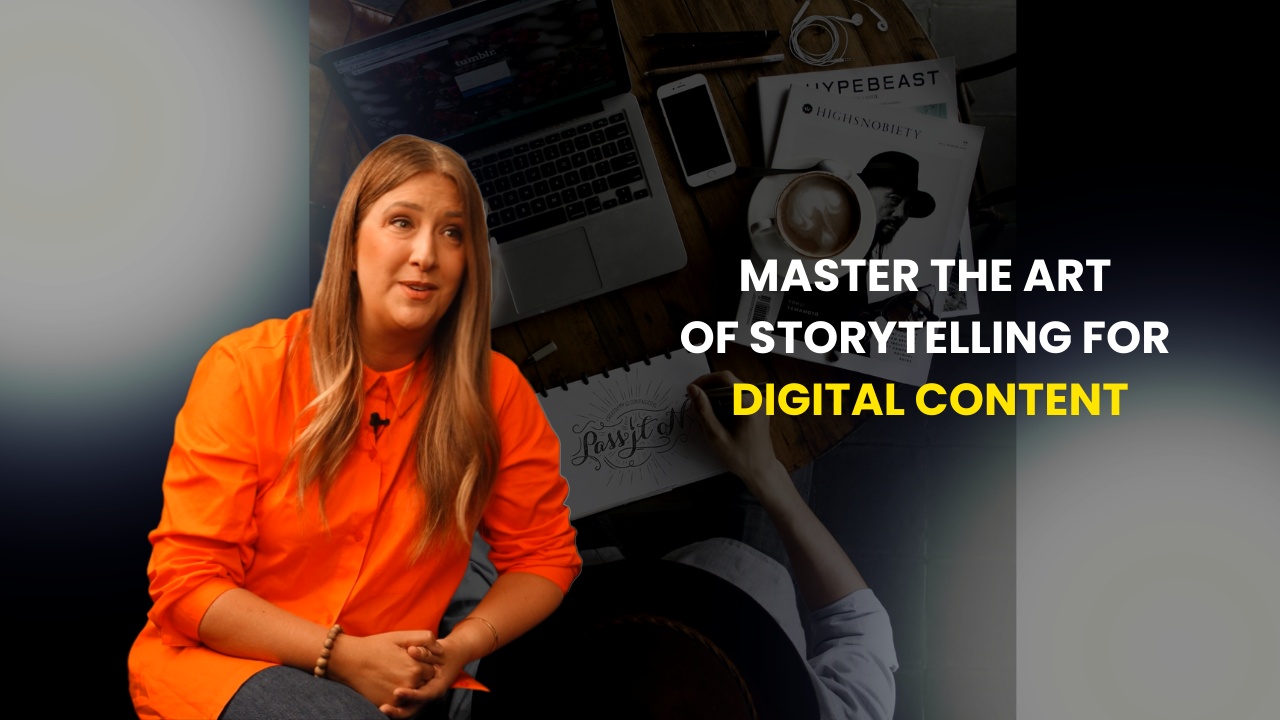
Stage Presence vs Camera Presence: Why They Are Different
Many outstanding public speakers struggle when faced with a camera lens. The skills are related but they are not identical.
On stage, energy must be projected outward to a large audience. On camera, communication is intimate. The lens magnifies every micro-expression, every hesitation and every lack of alignment between words and emotion.
The camera demands:
- Subtlety
- Precision
- Authentic connection
- Emotional congruence
You cannot “perform” your way through it. You must be believable.
And believability is where trust begins.
Step One: Ingest the Brand Messaging
Before anyone speaks authentically, they must understand what they are saying and why they are saying it.
Every individual has a personal brand message. Every organisation has a corporate narrative. Effective on-camera communication begins with aligning the two.
Ask:
- What does the organisation stand for?
- What values do I personally embody?
- Where do those values intersect?
Only when messaging is internalised not memorised can it be expressed naturally.
Watch the complete Podcast on YouTube.
Step Two: Turn Messaging into Storytelling
No one connects with a script. People connect with stories.
There are three powerful approaches:
1. Deeply Personal Storytelling
Sharing lived experiences creates relatability. Vulnerability builds trust.
2. Organisational Storytelling
Highlighting collective achievements, challenges and purpose reinforces mission and impact.
3. Authentic Reframing
Taking structured messaging and delivering it in your own words naturally, conversationally without sounding rehearsed.
Audiences can instantly sense when someone is “reading at them”. The goal is not perfection. The goal is sincerity.
Step Three: Practise Out Loud — Properly
One of the biggest mistakes professionals make is assuming reading equals preparation.
We write differently from how we speak.
Without rehearsal, messaging can sound stilted, overly formal or disconnected. The solution is simple — but rarely done well:
- Stand in front of a camera.
- Look directly into the lens.
- Imagine a real person on the other side.
- Speak the message aloud.
- Adjust until it feels natural.
This stage is not about performance. It is about comfort and clarity.
Step Four: Train Vulnerability
Authenticity and vulnerability are not weaknesses they are leadership strengths.
However, vulnerability must be guided. It is not oversharing. It is intentional openness that supports your message.
To cultivate vulnerability on camera:
- Encourage reflection before filming.
- Identify one meaningful insight or lesson.
- Connect it clearly to the audience’s experience.
- Maintain composure while expressing emotion.
Vulnerability without structure feels chaotic. Structured vulnerability feels powerful.
The Leadership Impact of Believable Communication
When leaders communicate with authenticity:
- Teams feel seen and understood.
- Stakeholders trust intent.
- Communities feel connected to purpose.
In a world saturated with polished content and corporate jargon, realness stands out.
Believability is the new authority.
And women leaders, in particular, are reshaping what that authority looks like blending strength with empathy, decisiveness with care, visibility with authenticity.
Join Us at Our Upcoming Events
Join us at the WA International Women’s Day 2026 – Leaders Breakfast Event. We honour remarkable women. They shaped Western Australia’s history. For instance, they led through activism and caregiving. Moreover, they built communities.
Join Us at the National Child & Family Safety Leadership Summit 2026 will bring together leaders, practitioners, policymakers, researchers and community voices from across the country. This important gathering creates space for meaningful dialogue on the most pressing issues impacting children and families – including domestic violence, coercive control, child protection, and community wellbeing.
We look forward to welcoming you to this moving and inspiring celebration of women’s achievements and contributions. Don’t miss this opportunity to hear from one of WA’s most influential scientific leaders, Miquela Riley.