Bridging the Graduate Skills Gap: Why Human Skills Matter More Than Ever
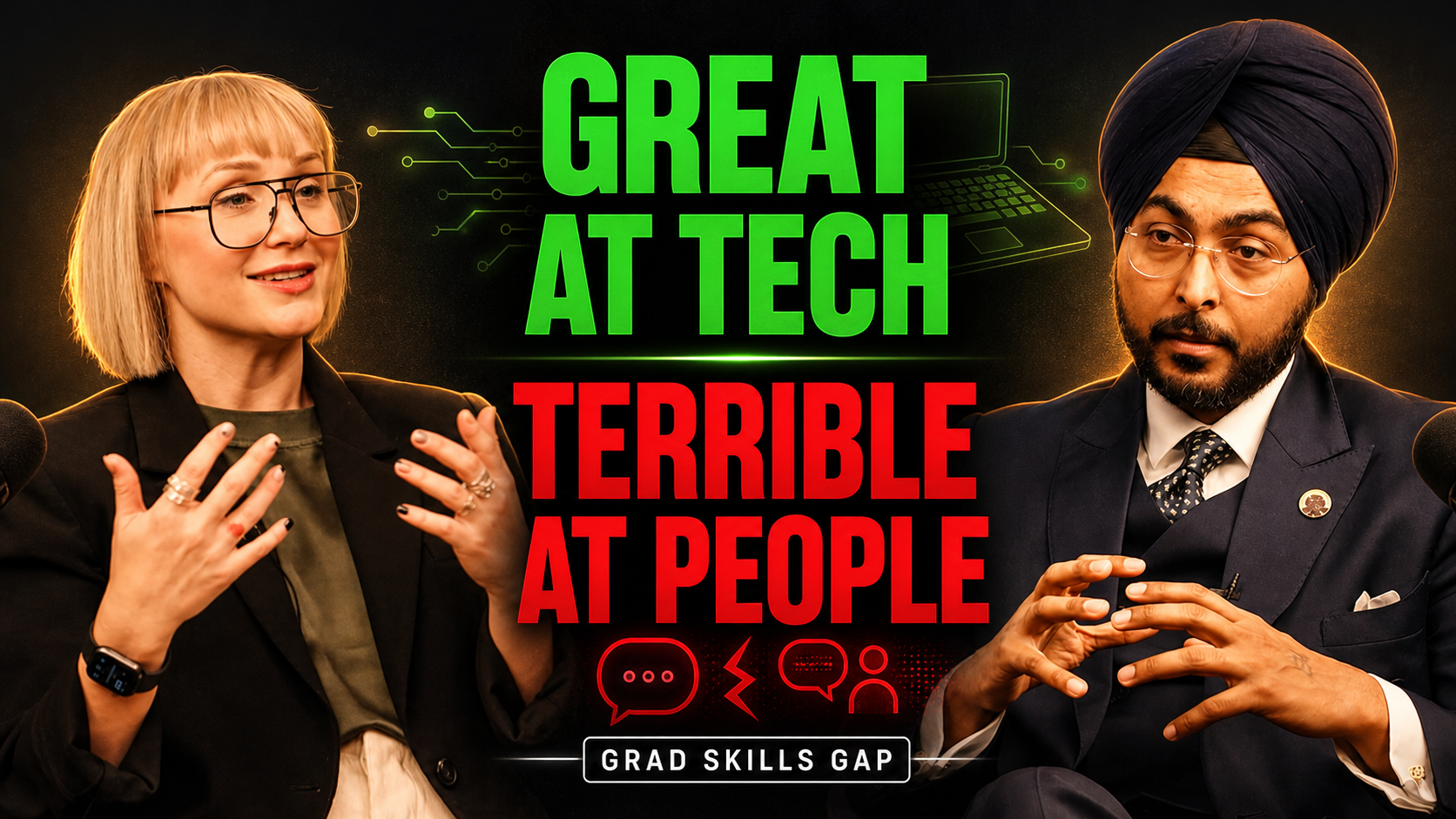
In today’s rapidly changing workplace, graduates are entering organisations with impressive technical capability. Many are digitally fluent, quick to adopt new tools and often become the go-to people for technology-related questions across teams.
But while technical skills are strong, many employers are noticing a growing gap in the human skills needed to thrive at work. Adaptability, conflict resolution, assertiveness, accountability and the ability to navigate unexpected challenges are becoming just as important as qualifications or technical expertise.
The Changing Expectations of Graduate Talent
The education system has traditionally been built around large-scale learning and structured skill development. While this approach has produced graduates with strong academic and technical foundations, the modern workplace demands much more than knowledge alone.
Organisations are fast-moving environments. Priorities shift. Projects change direction. Unexpected challenges appear. Employees need to troubleshoot, pivot and adapt when things do not go to plan.
For many new graduates, these workplace realities can be unfamiliar. They may have the technical ability to solve a task, but not yet the confidence or experience to manage ambiguity, push back constructively or hold difficult conversations.
Why Adaptability Is a Critical Workplace Skill
Adaptability has become one of the most valuable graduate skills in the modern workforce. Employers are not simply looking for people who can follow a process; they need people who can respond when the process changes.
New graduates often develop this ability through experience. Over time, they learn how to manage pressure, recover from setbacks and make decisions when information is incomplete. However, organisations can support this growth by creating environments where graduates are encouraged to ask questions, take initiative and learn from real-world challenges.
Graduate development should not only focus on technical training. It should also include opportunities to build resilience, judgement and confidence in uncertain situations.
Watch the complete Podcast on YouTube.
The Rise of Human Skills in the Workplace
Another key challenge emerging across graduate cohorts is the development of human skills. These include communication, assertiveness, conflict resolution, collaboration and emotional intelligence.
With many young people having grown up communicating heavily through screens, some may have had fewer opportunities to practise face-to-face workplace conversations. This can lead to conflict avoidance or hesitation when it comes to standing up for themselves, challenging ideas or holding others accountable.
These are not character flaws. They are skills that need to be taught, practised and supported.
Managers and leaders have an important role to play in helping graduates learn how to have respectful, direct and constructive conversations. This includes showing them how to push back appropriately, manage disagreement and take ownership of workplace relationships.
The Gap Between Education and Workforce Readiness
Over the past decade, many employers have observed a widening gap between what students learn in tertiary education and what they need to be fully workforce ready.
Universities and training institutions provide essential knowledge, but the workplace requires practical application. Graduates need to understand the realities of business, teamwork, accountability and change.
This is where stronger partnerships between education providers and industry can make a real difference. When the tertiary sector and employers work closely together, students gain a clearer understanding of workplace expectations before they graduate.
Industry placements, mentoring, practical projects and employer-led learning experiences can help bridge the gap between theory and practice.
Why Industry and Education Must Work Together
Preparing graduates for the future cannot be the responsibility of education providers alone. Employers also need to be active participants in shaping the skills pipeline.
Stronger collaboration between industry and tertiary institutions can help ensure graduates are better equipped for the realities of work. This includes not only technical competence, but also the confidence to communicate, adapt, lead and contribute meaningfully within teams.
When education and industry operate hand in glove, graduates benefit, employers benefit and the broader workforce becomes stronger.
Building Better Pathways for the Next Generation
The future of work will require more than digital skills. It will require people who can think critically, communicate clearly, handle conflict, adapt to change and work well with others.
Graduates already bring enormous value to organisations. They are innovative, technologically capable and eager to contribute. The opportunity now is to support them in developing the human skills that will help them succeed long term.
By investing in graduate development, strengthening industry partnerships and prioritising real-world workplace readiness, organisations can help close the skills gap and build a more capable, confident and resilient future workforce.
Join Us at the National Child & Family Safety Leadership Summit 2026
Leadership, communication and human connection are also vital in sectors where safety, wellbeing and community impact matter most.
Join us for a moving and inspiring National Child & Family Safety Leadership Summit 2026 on 22nd May 2026. This important event will bring together leaders, practitioners and changemakers committed to strengthening child and family safety.
Attend to be part of meaningful conversations, gain valuable insights and connect with others who are dedicated to creating safer, stronger and more supportive communities.