
Breaking the Silence: How Childhood Experiences Shape the Relationships We Stay In
Why do some people stay in unhealthy or abusive relationships even when they know something isn’t right? It’s a question many survivors ask themselves long after the relationship ends. The truth is rarely simple. Behind every story is a mix of childhood experiences, emotional conditioning, hope, shame, and the powerful human desire to be loved.
The early roots of relationship conditioning
For many people, the seeds are planted long before their first romantic relationship. Children absorb what they see at home, even when no one explains it to them. If a child grows up witnessing conflict, control, or abuse, they may learn without realising that love and pain can exist side by side.
This doesn’t mean they believe abuse is acceptable. In fact, many survivors say they knew something felt wrong. Yet the emotional blueprint formed in childhood can quietly shape expectations of love, safety, and belonging. When those early experiences are mixed with silence or suppression, the confusion can follow into adulthood.
Knowing it’s wrong but staying anyway
One of the most misunderstood parts of abuse is this: people often stay even when they recognise the warning signs. This is not weakness. It is human psychology.
Shame and embarrassment play a powerful role. Survivors often fear judgement from family and friends, especially if they have witnessed similar situations before. The thought of hearing “You should have known better” can be enough to keep someone silent.
At the same time, many abusive relationships are not abusive all the time. They are often wrapped in promises of love, commitment, and a hopeful future. Words like “I love you” and “We’ll build a perfect life together” can feel deeply convincing—especially for someone who grew up longing for stability and affection.
Hope becomes the thread that keeps the relationship intact. The belief that things will improve over time can be incredibly strong.
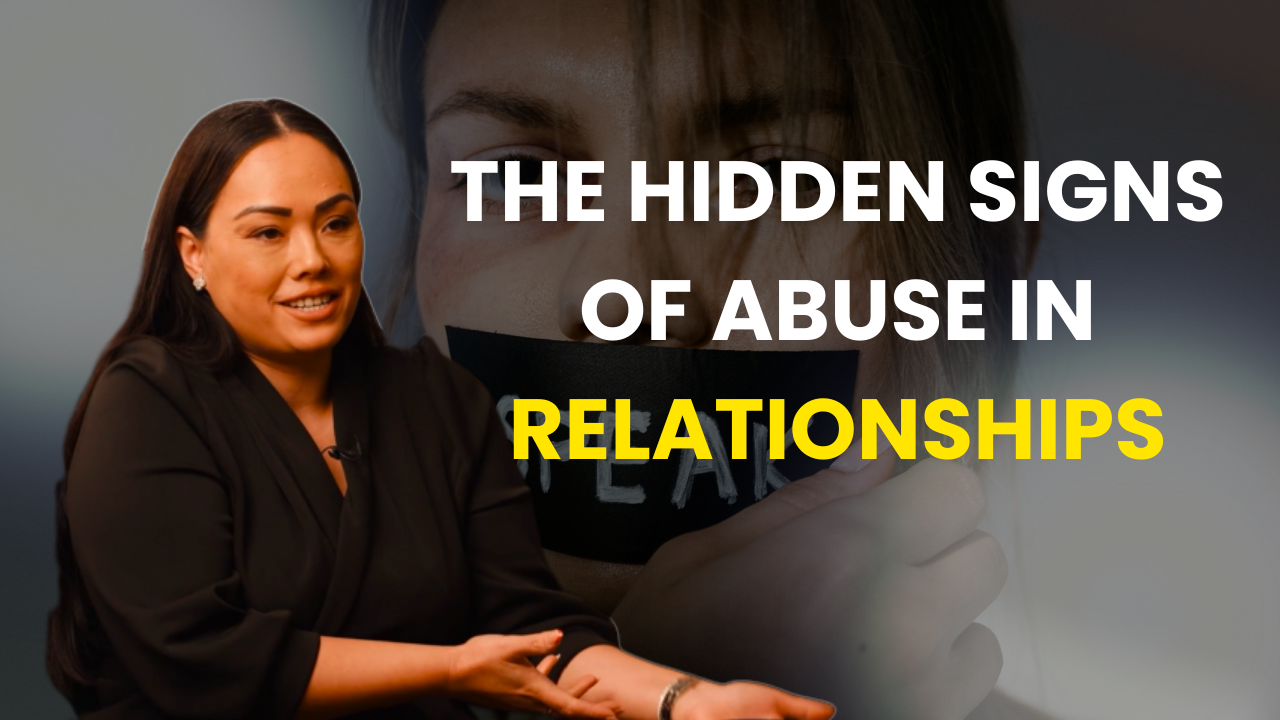
Watch the complete Podcast on YouTube.
The role of hope and emotional attachment
Hope is not foolish. It is human. When someone hasn’t experienced consistent love growing up, the promise of a stable future can feel like a dream finally within reach.
This is why leaving an unhealthy relationship is rarely a single moment of clarity. It is often a gradual process that involves recognising patterns, rebuilding self-worth, and finding the courage to speak openly.
Understanding this helps us move away from judgement and towards compassion.
Why awareness matters
Conversations about domestic abuse, emotional trauma, and relationship conditioning are essential. They help dismantle stigma and create spaces where survivors feel safe to speak.
When we listen without judgement, we help replace shame with support. When we share stories, we remind others they are not alone.
Awareness leads to understanding, and understanding leads to change.
Join Us at Our Upcoming Events
Join us at the WA International Women’s Day 2026 – Leaders Breakfast Event. We honour remarkable women. They shaped Western Australia’s history. For instance, they led through activism and caregiving. Moreover, they built communities.
Join Us at the National Child & Family Safety Leadership Summit 2026 will bring together leaders, practitioners, policymakers, researchers and community voices from across the country. This important gathering creates space for meaningful dialogue on the most pressing issues impacting children and families – including domestic violence, coercive control, child protection, and community wellbeing.
We look forward to welcoming you to this moving and inspiring celebration of women’s achievements and contributions. Don’t miss this opportunity to hear from one of WA’s most influential scientific leaders, Miquela Riley.