Beyond “CALD”: Why One Label Cannot Represent Diverse Communities
In modern multicultural societies like Australia, the term Culturally and Linguistically Diverse (CALD) is widely used in public policy. While it aims to recognise diversity, the reality is far more complex. Can a single label truly represent millions of people with vastly different identities, experiences, and priorities?
This question sits at the heart of inclusive governance and it deserves deeper attention.
The Problem with a Single Label
The term “CALD” broadly includes anyone whose first language is not English. This can encompass individuals from Eastern Europe, South Asia, the Middle East, Latin America, and beyond.
But here’s the issue:
- These groups are not homogeneous
- Each community contains multiple subcultures, languages, and lived realities
- Even within subgroups, there are further layers religion, profession, gender, migration experience
By grouping them all together, policy risks becoming overly simplistic.
It’s like trying to solve dozens of different challenges with a single solution—and expecting it to work for everyone.
Identity Is More Than Language
The CALD framework often assumes language is the defining factor of diversity. But identity goes far deeper:
- A second-generation Australian may speak only English, yet still strongly identify with their cultural roots
- A professional migrant may be more concerned with career mobility than language access
- A community member may prioritise faith, family, or social justice issues unrelated to cultural identity
Reducing individuals to a label can unintentionally erase these complexities.
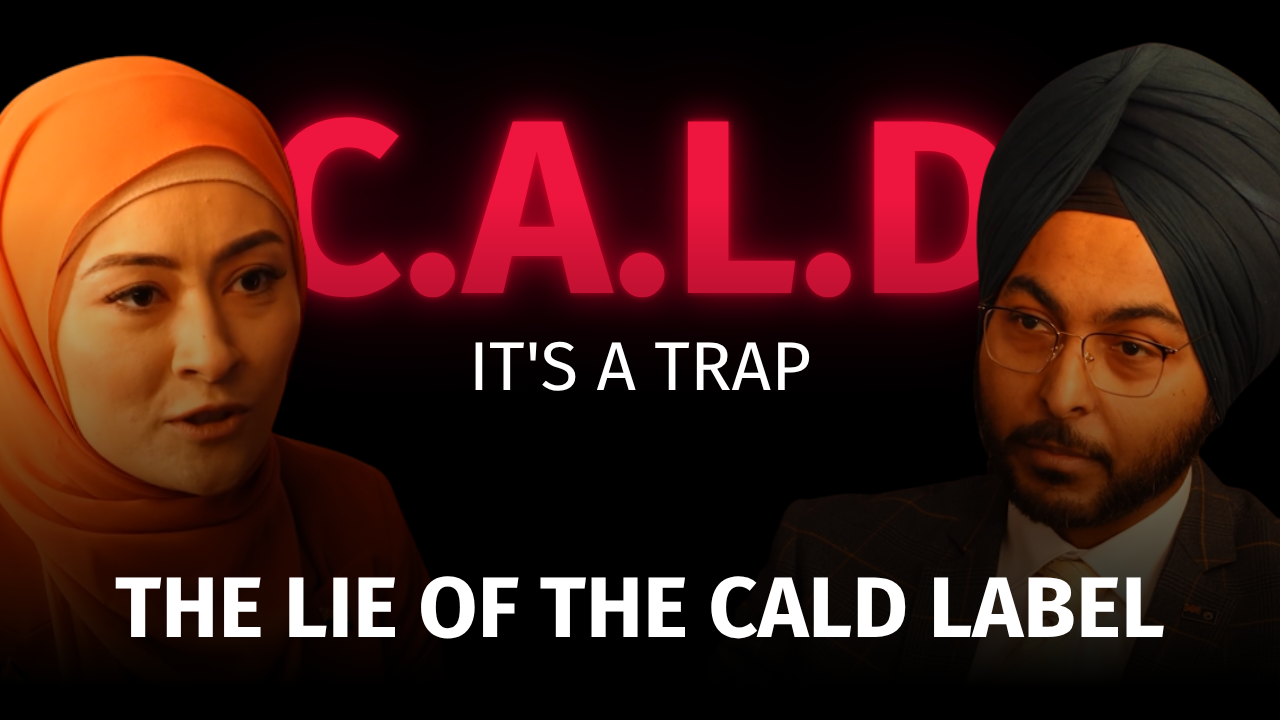
Watch the complete Podcast on YouTube.
The Risk of “Boxing” Communities
When governments rely too heavily on broad labels, it can lead to what many describe as “boxing” communities:
- Funding becomes tokenistic rather than targeted
- Policies are designed for visibility rather than impact
- Communities are seen as voting blocs, not individuals with diverse concerns
This approach can create disengagement and mistrust, especially when people feel their real issues are not being heard.
Why Meaningful Engagement Matters
True representation doesn’t come from labels it comes from listening.
For public policy to be effective, governments must:
- Expand consultation beyond familiar voices
- Avoid echo chambers of “representatives” who may not reflect the wider community
- Ensure accessible and adequate consultation periods
- Engage directly with everyday citizens not just organisations
When consultation is rushed or limited, it silences the very voices it aims to include.
Moving Towards Better Policy Design
Rather than relying on broad categories like CALD, a more effective approach would include:
1. Layered Representation
Recognise that identity operates across multiple dimensions—culture, profession, gender, faith, and more.
2. Community-Specific Solutions
Design policies tailored to specific needs, not generic assumptions.
3. Continuous Engagement
Engagement should not be a one off exercise tied to elections—it must be ongoing.
4. Inclusive Platforms
Create systems where individuals not just organisations can share their perspectives.
A Call for Genuine Inclusion
At its core, this conversation is about respect.
People want to be seen not as categories, but as individuals with unique stories, challenges, and aspirations. True inclusion means moving beyond labels and creating systems where every voice has the opportunity to be heard.
Join Us at Our Upcoming Events
Join Us at the National Child & Family Safety Leadership Summit 2026 will bring together leaders, practitioners, policymakers, researchers and community voices from across the country. This important gathering creates space for meaningful dialogue on the most pressing issues impacting children and families including domestic violence, coercive control, child protection, and community wellbeing.
We look forward to welcoming you to this moving and inspiring celebration of women’s achievements and contributions. Don’t miss this opportunity to hear from one of WA’s most influential scientific leaders, Miquela Riley.