
Are Taxpayers Carrying the Cost? Rethinking HECS Debt, State Taxes and Long-Term Economic Policy in Australia
Every Australian who works hard, pays taxes and manages their finances responsibly has asked the same question at some point: who ultimately pays for government policy decisions?
When announcements are made about HECS debt relief, payroll tax changes or GST reform, the reality is simple — the money comes from somewhere. In most cases, it comes from taxpayers. In Queensland and across Australia, conversations around tax reform, government spending and long-term economic sustainability are becoming louder and more urgent.
This article explores the fairness debate surrounding HECS debt, the challenges of short-term political thinking, and whether reforming state-based taxes could offer a more sustainable future for Australia’s economy.
HECS Debt Relief: Fairness or Fiscal Burden?
Australia’s HECS-HELP system was designed to make higher education accessible while ensuring graduates contribute back once they earn above a threshold. However, recent government decisions to adjust indexation or provide partial debt relief have sparked debate.
For many Australians who:
- Paid off their HECS debt early
- Saved diligently to avoid long-term interest
- Worked overtime to clear liabilities
It can feel inequitable when retrospective relief is introduced.
The central economic reality remains:
If 20% of HECS debt is absorbed by government, taxpayers fund that shortfall.
This raises a broader policy question:
Should relief measures also credit those who have already repaid their loans in full?
While debt relief may support current borrowers facing cost-of-living pressures, fairness in tax policy remains a delicate balance between compassion and fiscal responsibility.
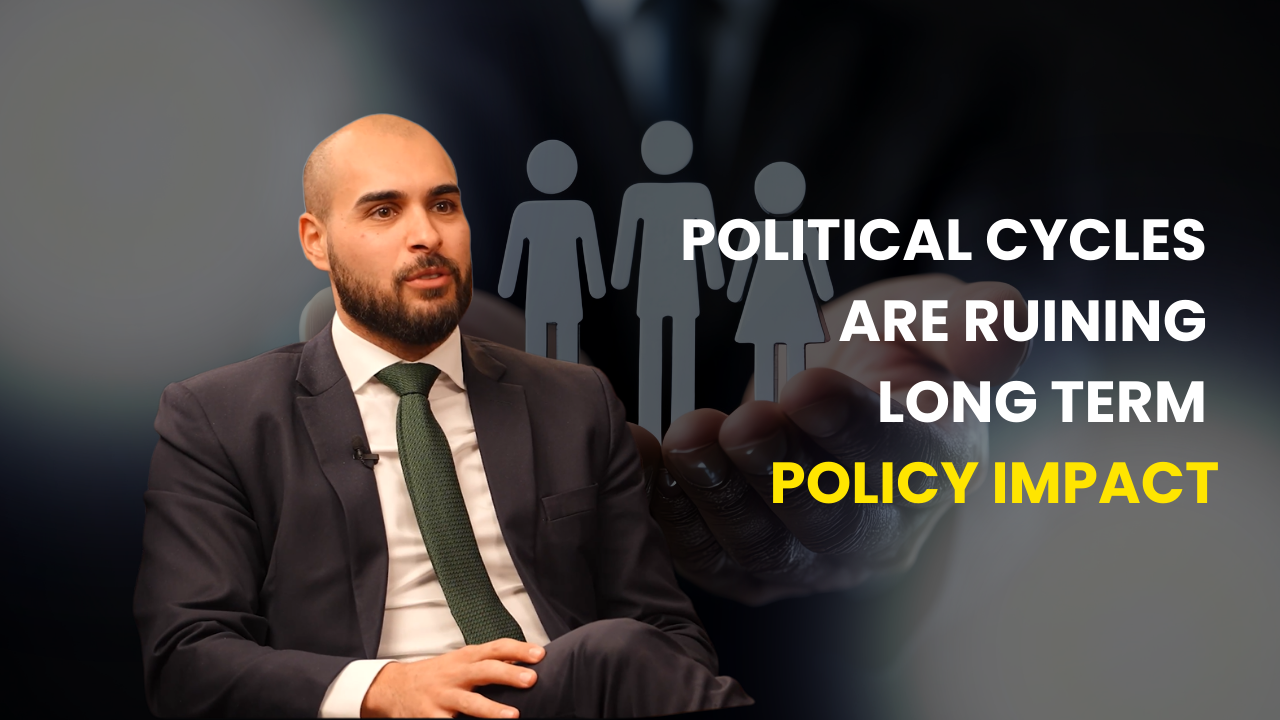
The Cost of Short-Term Political Cycles
One of the most significant structural challenges in Australian politics is the election cycle.
Too often, policy is shaped around:
- Immediate voter appeal
- Short-term political gain
- The next term in office
Rather than long-term national impact.
It is rare to see major economic reform withstand multiple successive governments without being amended, diluted or reversed. While there are exceptions, most large-scale structural changes struggle to survive shifting political priorities.
Sustainable economic reform requires:
- Bipartisan cooperation
- Multi-term commitment
- Public understanding and buy-in
Without these elements, meaningful structural change becomes unlikely.
Watch the complete Podcast on YouTube.
The Debate Around State-Based Taxes
Australia’s tax system is divided between federal and state governments. Payroll tax, stamp duty and various levies remain state-based revenue sources.
However, policy experts over the past two decades have proposed alternatives, including:
- Increasing the GST rate
- Broadening the GST base by reducing exemptions
- Introducing a modest federal land or property tax
- Gradually abolishing inefficient state taxes
The argument is straightforward:
If structured correctly, increased GST combined with a modest federal property levy could generate sufficient revenue to replace state based taxes entirely.
What Would This Achieve?
- Simplified tax administration
- Reduced duplication between state and federal systems
- Greater long-term fiscal stability
- Improved national coordination
However, the political reality is complex. Any shift would require agreement across all states and territories something historically difficult to achieve.
A staged implementation over several years, with clear transitional frameworks and national consensus, could offer a pathway forward. But whether such reform will occur remains uncertain.
Who Ultimately Pays?
The unavoidable truth in any tax reform debate is this:
Government revenue comes from the public.
Whether through income tax, GST, payroll tax, land tax or other mechanisms, funding relief in one area typically requires adjustment elsewhere.
For working Australians particularly small business owners and families in Queensland transparency in fiscal policy is crucial. Understanding how economic decisions affect everyday citizens builds trust and encourages civic engagement.
Moving Beyond Political Terms Towards Lasting Impact
If Australia is to achieve meaningful tax reform, the conversation must move beyond election cycles.
It must focus on:
- Intergenerational fairness
- Economic sustainability
- Equity across taxpayers
- National unity in fiscal responsibility
Real reform demands courage and a willingness to prioritise lasting impact over short-term political advantage.
Join Us at Our Upcoming Events
Join us at the WA International Women’s Day 2026 – Leaders Breakfast Event. We honour remarkable women. They shaped Western Australia’s history. For instance, they led through activism and caregiving. Moreover, they built communities.
Join Us at the National Child & Family Safety Leadership Summit 2026 will bring together leaders, practitioners, policymakers, researchers and community voices from across the country. This important gathering creates space for meaningful dialogue on the most pressing issues impacting children and families including domestic violence, coercive control, child protection, and community wellbeing.
We look forward to welcoming you to this moving and inspiring celebration of women’s achievements and contributions. Don’t miss this opportunity to hear from one of WA’s most influential scientific leaders, Miquela Riley.