
Australia, Nuclear Policy and National Security: Where Should the Line Be Drawn?
Global tensions have made defence and security a kitchen table conversation again. With major powers openly modernising their militaries and nuclear arsenals, many Australians are asking a simple but confronting question: how prepared are we to protect ourselves?
The debate has grown louder with the arrival of nuclear powered submarine plans and renewed discussions about defence capability, sovereign skills and long term strategy. At its heart sits a bigger question about Australia’s role in an increasingly uncertain world.
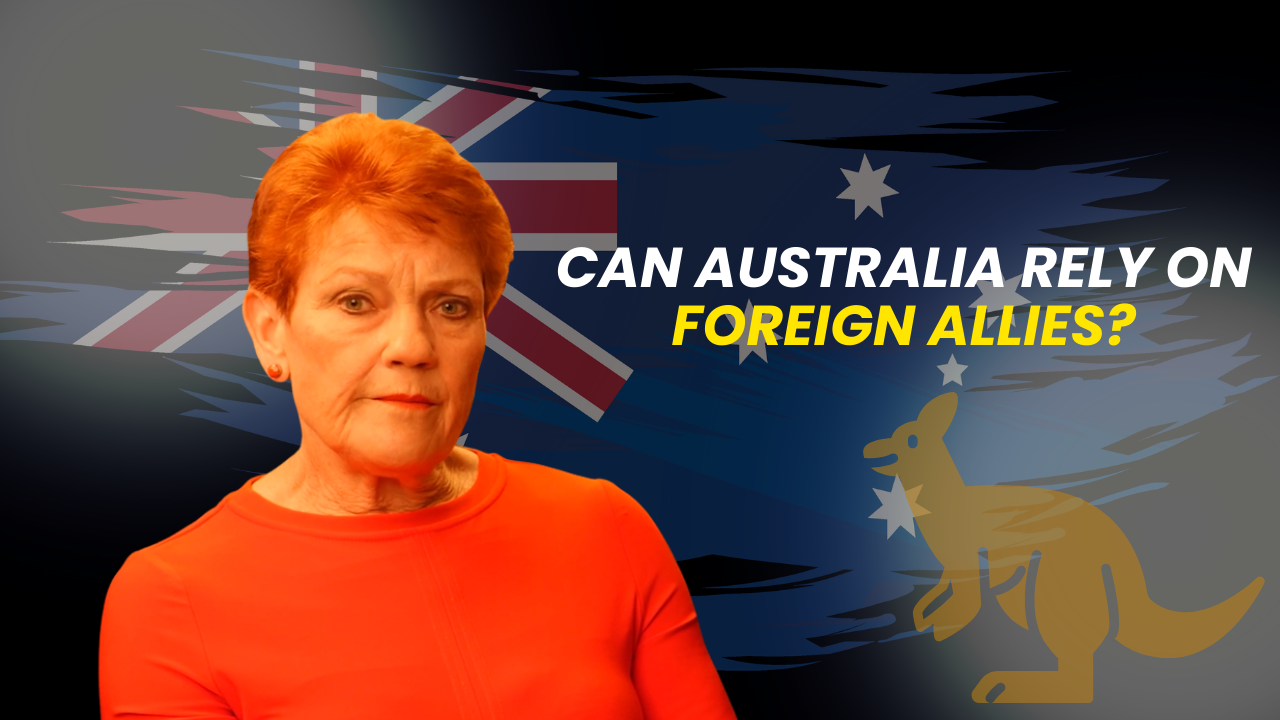
A World Living Under Nuclear Shadow
Nuclear weapons remain the most destructive force humanity has ever created. Their existence alone shapes global politics, diplomacy and defence planning. While nuclear deterrence has arguably prevented large scale conflict between major powers, it also keeps the world in a constant state of uneasy balance.
For many Australians, the idea of nuclear weapons in our region raises deep moral and practical concerns. The risk of escalation, miscalculation or leadership instability makes nuclear proliferation a frightening prospect. The reality is sobering: it only takes one catastrophic decision to change the course of history forever.
Australia has long supported global non-proliferation efforts, positioning itself as a nation that values stability, diplomacy and regional cooperation. Yet growing geopolitical tension means defence policy can no longer remain a distant or abstract issue.
Nuclear Submarines and the Skills Question
Australia’s commitment to acquiring nuclear powered submarines marks one of the most significant defence investments in our history. The decision reflects a desire to strengthen long-range defence capability and secure maritime borders in an increasingly contested Indo-Pacific region.
However, the timeline raises important questions. Nuclear submarines are not expected to arrive until the late 2030s and 2040s. That gap prompts concern about whether Australia has invested enough in immediate defence capabilities such as missile systems, surveillance and broader strategic readiness.
Equally important is the question of sovereign capability. Many Australians believe strongly that our defence systems should be built and maintained by Australians wherever possible. Developing a skilled workforce in nuclear science, engineering and defence technology is not simply about security it is about national independence and long-term resilience.
Watch the complete Podcast on YouTube.
Should Nuclear Energy Come First?
The submarine debate has naturally reignited discussion about nuclear energy. Building a domestic nuclear industry could create the expertise, workforce and infrastructure needed to support nuclear-powered defence technology safely and responsibly.
Supporters argue that nuclear energy could:
- Strengthen Australia’s energy security
- Reduce emissions while supporting economic growth
- Build technical capability for advanced defence projects
- Create high-skill jobs and long-term industries
Critics, however, remain cautious about safety, cost, waste management and community acceptance. These are legitimate concerns that deserve open, informed public discussion rather than rushed decision-making.
The Nuclear Weapons Question
The most sensitive question of all is whether Australia should ever consider nuclear weapons. For many, the answer is clear: nuclear weapons should remain a last resort and ideally never be pursued.
Australia’s security has historically relied on strong alliances, diplomacy and regional cooperation. Expanding nuclear weapons capability would represent a profound shift in both defence strategy and national identity.
The challenge for policymakers is finding the balance between preparedness and restraint — ensuring Australia can defend itself without contributing to further nuclear escalation.
A Call for Responsible National Conversation
Australia’s defence future cannot be shaped by fear alone. It requires thoughtful leadership, long-term planning and a national conversation grounded in facts, values and shared responsibility.
Security is not only about weapons and technology. It is about people, communities and the values we choose to protect.
Join Us at Our Upcoming Events
Join us at the WA International Women’s Day 2026 – Leaders Breakfast Event. We honour remarkable women. They shaped Western Australia’s history. For instance, they led through activism and caregiving. Moreover, they built communities.
Join Us at the National Child & Family Safety Leadership Summit 2026 will bring together leaders, practitioners, policymakers, researchers and community voices from across the country. This important gathering creates space for meaningful dialogue on the most pressing issues impacting children and families – including domestic violence, coercive control, child protection, and community wellbeing.
We look forward to welcoming you to this moving and inspiring celebration of women’s achievements and contributions. Don’t miss this opportunity to hear from one of WA’s most influential scientific leaders, Miquela Riley.