
Australia’s Energy Future: Why Nuclear Must Be Part of the Mix
Australia should have some of the cheapest energy prices in the world. We are blessed with abundant natural resources coal, gas, uranium, sunshine and wind. Yet households and businesses continue to face rising power bills, government rebates, and uncertainty about long-term energy security.
So what’s really going on? And more importantly where do we go from here?
The Energy Price Paradox
Successive governments have promised lower power prices. Instead, Australians have seen increasing electricity costs, alongside short-term rebates and subsidies.
Handing taxpayers money to offset rising bills might provide temporary relief particularly during election cycles but it does not address the structural issues driving high energy costs.
You cannot sustainably reduce power bills by redistributing money without fixing supply, reliability and generation capacity.
Real reform must focus on the fundamentals:
- Affordable generation
- Reliable baseload supply
- A balanced and resilient energy mix
- Long-term policy certainty
Without those pillars, energy insecurity remains and prices follow.
Why Energy Mix Matters
A serious national conversation about energy must include all viable options:
- Coal
- Gas
- Renewables (solar and wind)
- Nuclear
Renewables are an important part of the transition. Solar panels and wind farms are expanding rapidly across Australia. However, they are intermittent by nature.
What happens during two weeks of heavy cloud cover and minimal wind?
What happens when batteries are depleted and there is insufficient generation capacity to meet demand?
Without reliable baseload power, the grid becomes vulnerable. That vulnerability increases costs.
Every advanced economy with large scale renewables maintains firm backup generation. The question is not whether backup is required it is what form that backup should take.
Watch the complete Podcast on YouTube.
The Case for Nuclear Energy in Australia
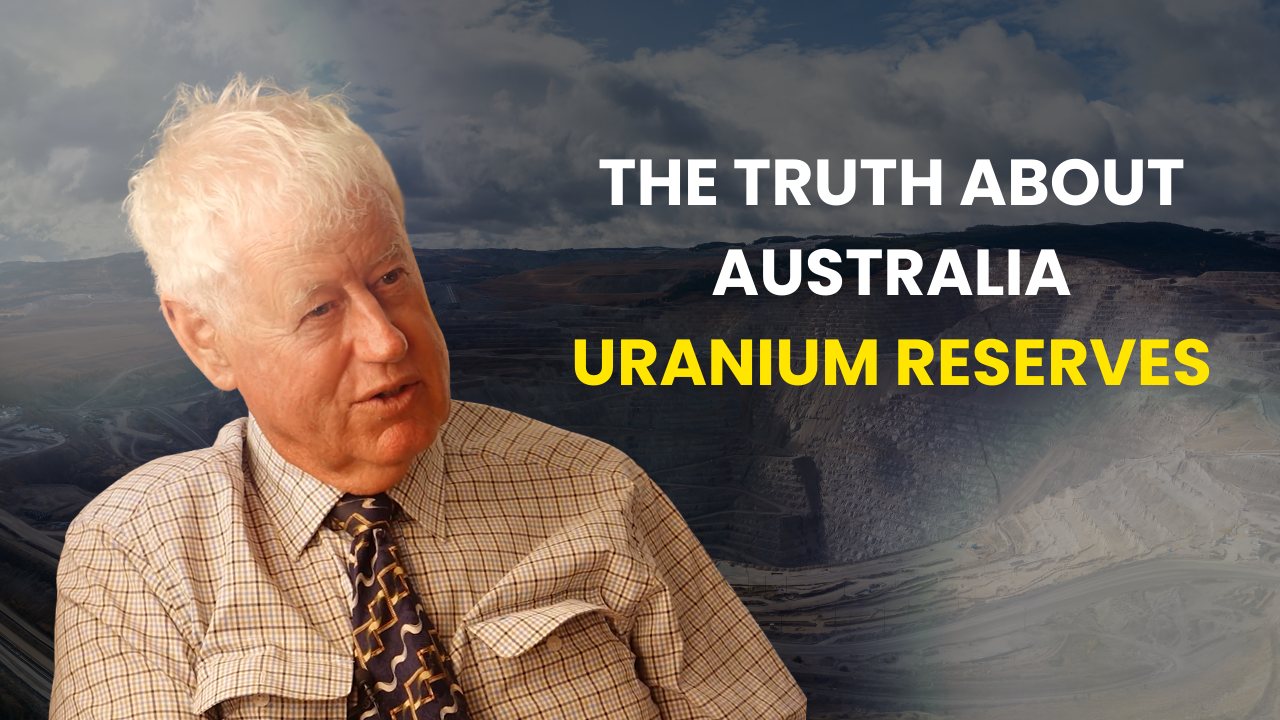
Australia holds some of the largest uranium reserves in the world. Yet we export uranium while importing energy instability.
Modern nuclear technology offers:
- Low emissions
- High output reliability
- Long operational life
- Stable baseload generation
Countries such as the United States operate dozens of nuclear plants safely. China continues expanding its nuclear fleet. Across Europe and North America, nuclear energy remains a core component of energy security strategies.
Yes, history includes failures such as Chernobyl. However, nuclear technology has evolved significantly. Today’s reactors are built with advanced safety systems, rigorous international standards, and continuous oversight.
If we are serious about reducing emissions without sacrificing reliability, nuclear must be part of the conversation.
Coal, Gas and Reality
Coal remains cheap and reliable, but it is emissions-intensive. Gas is flexible and cleaner than coal, yet increasingly expensive and subject to global price pressures.
The reality is that no serious energy system relies on a single source. A balanced mix reduces risk and stabilises prices.
Australia has:
- World-class solar resources
- Significant wind corridors
- Vast uranium reserves
- Established coal and gas infrastructure
The opportunity is not ideological it is strategic.
Energy Security Is Economic Security
Energy prices affect:
- Household budgets
- Manufacturing competitiveness
- Small business viability
- Investment confidence
When energy becomes unstable or expensive, the whole economy feels it.
If Australia truly wants the cheapest energy prices in the world, we must move beyond short-term rebates and focus on long-term generation capacity.
That means honest debate.
That means evidence-based policy.
And that means considering nuclear energy alongside renewables, gas and coal not dismissing it outright.
A Broader Conversation About Leadership and Courage
Energy policy is not just about megawatts and price signals. It is about leadership the willingness to make decisions that serve future generations, not just the next election cycle.
And leadership comes in many forms.
On 3rd March 2026, we will gather in Queensland’s democratic heart to honour a different kind of leadership the women who have shaped our state through courage, care, resilience and quiet strength.
Join Us at Our Upcoming Events
Join us at the WA International Women’s Day 2026 – Leaders Breakfast Event. We honour remarkable women. They shaped Western Australia’s history. For instance, they led through activism and caregiving. Moreover, they built communities.
Join Us at the National Child & Family Safety Leadership Summit 2026 will bring together leaders, practitioners, policymakers, researchers and community voices from across the country. This important gathering creates space for meaningful dialogue on the most pressing issues impacting children and families – including domestic violence, coercive control, child protection, and community wellbeing.
We look forward to welcoming you to this moving and inspiring celebration of women’s achievements and contributions. Don’t miss this opportunity to hear from one of WA’s most influential scientific leaders, Miquela Riley.