
AI Sovereignty and National Security: Why Australia Must Act Now
Introduction
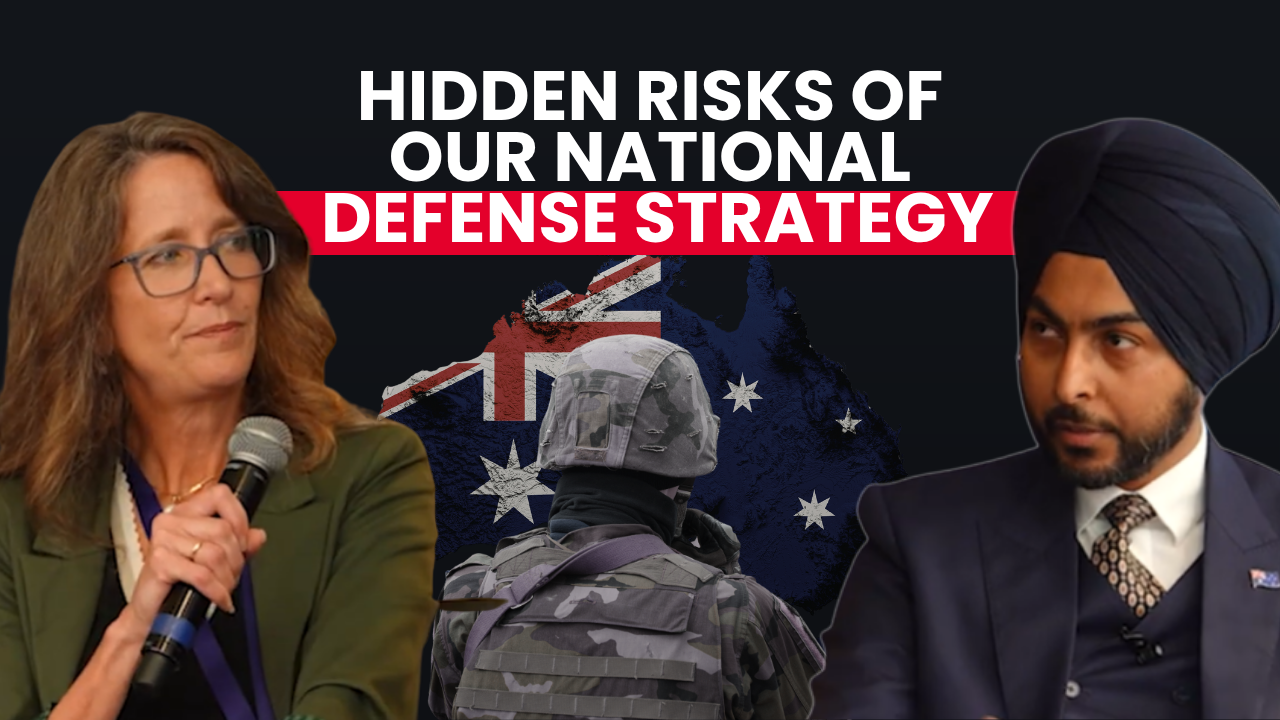
In an increasingly uncertain world, the concept of AI sovereignty is rapidly becoming central to national security, economic resilience, and global influence. As geopolitical tensions rise from China’s posture towards Taiwan to Russia’s ongoing conflict with Ukraine countries like Australia are re-evaluating their strategic independence.
AI sovereignty is not just about technology it is about control over data, infrastructure, and the ability to operate independently in times of crisis. For Australia, this means investing in domestic capabilities such as data centres, advanced computing, energy resources, and secure supply chains.
This blog explores why AI sovereignty matters, how it connects to national defence, and what it means for Australia’s future prosperity.
What is AI Sovereignty?
AI sovereignty refers to a nation’s ability to:
- Control its own data and digital infrastructure
- Develop and deploy AI technologies domestically
- Maintain independence from foreign-controlled systems
- Protect sensitive information and critical systems
In simple terms, it means ensuring that a country’s digital future is built and controlled within its own borders.
A Changing Geopolitical Landscape
The global environment is becoming increasingly complex and unpredictable.
- The United States is showing signs of focusing more on internal priorities
- China is expanding its military and technological capabilities
- Russia continues to assert itself geopolitically
These shifts signal a move away from the post-Cold War era of globalisation towards a more fragmented and competitive world order.
For Australia, this creates both challenges and opportunities.
Watch the complete Podcast on YouTube.
Australia’s Strategic Vulnerabilities
Despite being one of the most desirable places to live, Australia faces several structural risks:
1. Limited Domestic Manufacturing
Australia has historically relied on exporting raw materials rather than producing finished goods. This creates dependency on global supply chains.
2. Geographic Isolation
As an island nation, Australia depends heavily on maritime trade routes, particularly through regions like the South China Sea.
3. Small Population Base
A smaller workforce limits the scale of domestic production and technological development.
4. Underinvestment in Defence
For years, defence spending remained relatively flat, while other nations rapidly advanced their capabilities.
These factors highlight why sovereignty both physical and digital is becoming critical.
AI as a Pillar of National Security
Artificial intelligence is no longer just an innovation tool it is a strategic asset.
AI plays a role in:
- Defence systems and surveillance
- Cybersecurity and threat detection
- Intelligence analysis
- Autonomous systems and logistics
This means that countries without control over AI infrastructure risk losing strategic advantage.
The Role of AUKUS in Strengthening Sovereignty
Australia has already taken steps to address these challenges through partnerships like AUKUS.
This agreement between Australia, the UK, and the US focuses on:
1. Nuclear-Powered Submarines
Enhancing defence capability and maritime security through advanced technology transfer.
2. Advanced Technologies (Pillar Two)
Including:
- Artificial intelligence
- Cybersecurity
- Quantum computing
- Hypersonic systems
- Undersea capabilities
These initiatives are designed to strengthen Australia’s technological edge and national resilience.
Building True AI Sovereignty
To achieve AI sovereignty, Australia must invest in several key areas:
1. Domestic Data Centres
Keeping data within national borders ensures security and compliance.
2. Semiconductor and GPU Capabilities
Developing or securing access to advanced chips is essential for AI development.
3. Energy Infrastructure
AI requires massive computing power, which in turn demands reliable and scalable energy sources.
4. Water Resources
Large-scale data centres require significant cooling systems, making water availability a critical factor.
5. Skilled Workforce
Investing in education and talent development to support innovation and implementation.
AI Sovereignty as Economic Opportunity
Beyond defence, AI sovereignty offers a pathway to long-term prosperity.
It can:
- Create high-value industries
- Generate skilled jobs
- Attract global investment
- Drive innovation across sectors
For future generations, this represents not just security but opportunity.
A Balanced Approach: Collaboration and Independence
While sovereignty is essential, it does not mean isolation.
Australia must:
- Maintain strong international partnerships
- Collaborate on innovation and research
- Balance independence with global engagement
This dual approach ensures resilience without sacrificing progress.
Conclusion: Securing Australia’s Future
AI sovereignty is no longer optional it is a strategic necessity.
In a world defined by technological competition and geopolitical uncertainty, Australia must:
- Invest in its own capabilities
- Strengthen its defence and infrastructure
- Build a resilient and self-sufficient digital ecosystem
By doing so, the nation can protect its interests while creating a foundation for future growth and leadership.
Join Us at Our Upcoming Events
Join Us at the National Child & Family Safety Leadership Summit 2026 will bring together leaders, practitioners, policymakers, researchers and community voices from across the country. This important gathering creates space for meaningful dialogue on the most pressing issues impacting children and families including domestic violence, coercive control, child protection, and community wellbeing.
We look forward to welcoming you to this moving and inspiring celebration of women’s achievements and contributions. Don’t miss this opportunity to hear from one of WA’s most influential scientific leaders, Miquela Riley.