
The Rise of AI Companions: Connection, Isolation, and the Future of Human Relationships
In today’s fast-evolving digital landscape, artificial intelligence is no longer confined to productivity tools or automation systems. It is becoming something far more personal a companion. From chat-based assistants to emotionally responsive AI “agents”, technology is increasingly stepping into spaces once reserved for human connection.
While these innovations offer exciting possibilities, they also raise important social, emotional, and ethical questions particularly around how we form and sustain meaningful relationships.
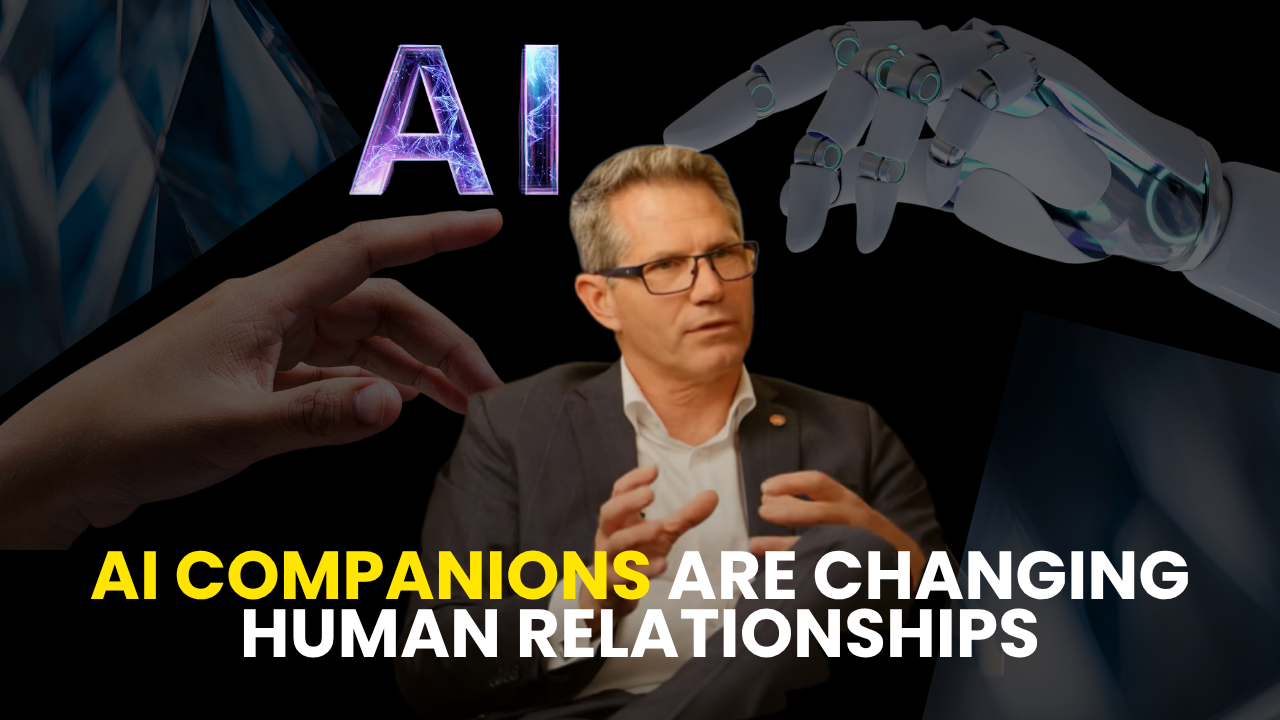
What Are AI Companions?
AI companions are designed to simulate human-like interaction. They can converse naturally, provide emotional support, and even mimic empathy. For many users, particularly those experiencing loneliness or isolation, these tools can feel like a lifeline.
However, the distinction between tools and agents is crucial. Tools assist us; agents engage with us. And when engagement begins to resemble emotional connection, the implications become far more complex.
The Double-Edged Sword of Digital Companionship
On one hand, AI companions can provide genuine benefits:
- Support for socially isolated individuals
People with intellectual disabilities or limited social networks may find comfort and engagement through AI interaction. - Enhanced wellbeing for the elderly
In aged care settings, AI companions can offer conversation, familiarity, and even cultural or linguistic connection, helping reduce feelings of loneliness.
Yet, on the other hand, there are serious concerns.
Watch the complete Podcast on YouTube.
The Risk of Emotional Substitution
AI companions are always available, always affirming, and never challenging. Unlike human relationships — which require compromise, patience, and emotional growth AI interactions can create a frictionless, idealised experience.
For younger users especially, this can lead to:
- Reduced motivation to pursue real-world relationships
- Unrealistic expectations of human connection
- Increased social withdrawal
In extreme cases, individuals may begin to prioritise AI relationships over human ones, blurring the line between reality and simulation.
Dopamine, Devices, and Disconnection
A growing body of discussion also points to the neurological effects of constant digital stimulation.
Modern devices are engineered to deliver frequent dopamine hits the brain’s “reward” chemical. Social media notifications, instant messages, and algorithm-driven content all contribute to this cycle.
Over time, this overstimulation may:
- Reduce sensitivity to natural rewards
- Make real-life emotional bonding more difficult
- Impact the ability to form deep, lasting relationships
Traditionally, early romantic attraction is associated with dopamine that initial spark. As relationships mature, they shift towards serotonin-driven stability, characterised by trust and emotional security.
However, if individuals are already overstimulated by digital interactions, they may struggle to experience that initial spark at all making meaningful relationships harder to establish.
A Question of Balance
This does not mean AI companions are inherently harmful. Like any technology, their impact depends on how they are used.
The key lies in balance:
- Using AI to complement, not replace, human interaction
- Encouraging digital literacy and emotional awareness
- Supporting vulnerable groups without fostering dependency
As a society, we must carefully consider how these technologies shape our behaviours, relationships, and communities.
Human Connection Still Matters
Despite technological advances, the essence of human connection remains irreplaceable. Real relationships are not always convenient or affirming but they are authentic, evolving, and deeply meaningful.
They challenge us, ground us, and ultimately help us grow.
In a world increasingly shaped by artificial interaction, preserving genuine human connection is more important than ever.
Join Us at Our Upcoming Events
Join Us at the National Child & Family Safety Leadership Summit 2026 will bring together leaders, practitioners, policymakers, researchers and community voices from across the country. This important gathering creates space for meaningful dialogue on the most pressing issues impacting children and families including domestic violence, coercive control, child protection, and community wellbeing.
We look forward to welcoming you to this moving and inspiring celebration of women’s achievements and contributions. Don’t miss this opportunity to hear from one of WA’s most influential scientific leaders, Miquela Riley.