
Aged Care Reform in Australia: Are We Ready for the Next Wave of Demand?
Australia’s aged care system is undergoing one of the biggest transformations in its history. Following the Royal Commission, reforms have begun reshaping how services are funded, delivered and experienced. Progress has certainly been made, yet the sector still faces a pressing question: are we truly prepared for the next surge of older Australians seeking support?
The Cultural Reality: Stigma and Family Expectations
For many families, caring for older relatives is seen as a responsibility rooted in love, respect and tradition. This belief is deeply honourable and widely shared across diverse communities. However, it can also create hesitation when extra help is needed.
Aged care is often viewed as a last resort rather than an early support system. In reality, the modern model aims to extend independence, not replace family care. Early engagement with services allows people to stay safe, healthy and independent for longer especially when clinical support can now be delivered in the home.
Breaking this stigma is essential if reforms are to succeed.
From “Client-Centred” to “Client-Led”
One of the most significant policy shifts is the move from client centred care to client-led care. While the difference sounds subtle, the cultural shift is profound.
Client led care means older Australians have greater choice, control and voice in shaping the services they receive. Residential aged care reforms are progressing steadily in this direction, and while fine-tuning is still required, the foundation is promising.
The bigger challenge lies in community aged care.
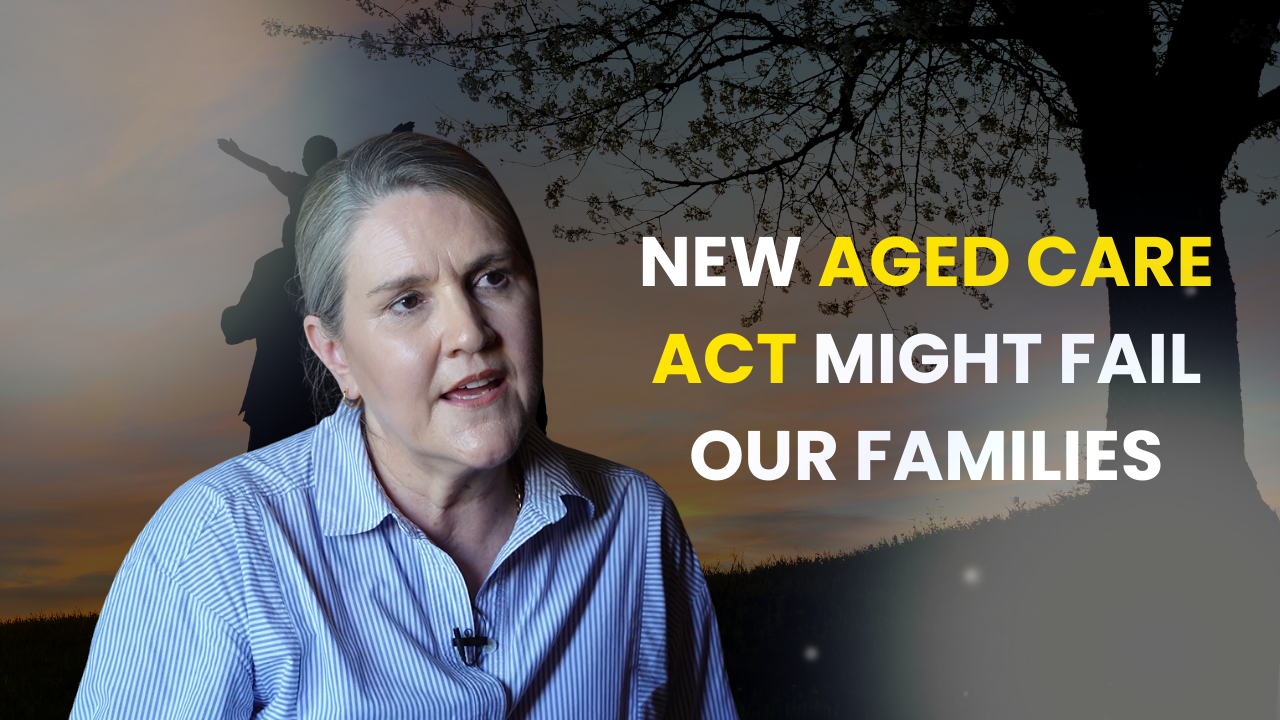
Watch the complete Podcast on YouTube.
Support at Home: Strong Intent, Complex Implementation
The new Support at Home model has the right vision:
Fully funded clinical and allied health services delivered in a person’s home.
This is a powerful step forward. It allows older Australians to access nursing, therapy and clinical support without leaving their community.
Yet the entry point into the system remains a major concern.
Most people first interact with aged care through basic support services such as cleaning or gardening. Under new arrangements, individuals are expected to contribute around 17.5% of the cost for these entry level services.
For many families already providing this support informally, this creates a barrier. If families delay entering the system, they may face long waits later when needs become more complex.
The Waiting Game: Access Still Takes Too Long
One of the most pressing issues remains unchanged: time.
The journey into aged care often involves:
- Months to begin the conversation
- Long waits for assessment
- Up to one or two years to receive a package
Despite the reforms, access pathways have not yet become simpler or faster. For culturally and linguistically diverse communities, navigating the system can be even more difficult.
If Australia is preparing for rising demand, improving access must become a central priority.
Workforce Pressures Across the Care Economy
Funding increases have rightly prioritised wages for nurses and care staff. This is a vital step in attracting and retaining skilled workers.
However, the broader workforce challenge remains:
- Hospitals, disability services and aged care are competing for the same talent
- Organisations are effectively bidding against each other
- Demand continues to outpace supply
Migration and visa pathways could play a major role in addressing shortages, but current processes remain complex and daunting for employers.
Workforce reform must be tackled across the entire care economy not in isolated sectors.
A Moment to Reflect and Refine
Australia’s aged care reforms are well intentioned and necessary. The sector has already come a long way.
Now is the time to pause, reflect and refine:
- What is working well?
- Where are barriers still preventing access?
- How can workforce solutions be strengthened across the system?
The next wave of demand is coming. Ensuring the system is ready will require collaboration, courage and continued conversation.
Join Us at Our Upcoming Events
Join us at the WA International Women’s Day 2026 – Leaders Breakfast Event. We honour remarkable women. They shaped Western Australia’s history. For instance, they led through activism and caregiving. Moreover, they built communities.
Join Us at the National Child & Family Safety Leadership Summit 2026 will bring together leaders, practitioners, policymakers, researchers and community voices from across the country. This important gathering creates space for meaningful dialogue on the most pressing issues impacting children and families – including domestic violence, coercive control, child protection, and community wellbeing.
We look forward to welcoming you to this moving and inspiring celebration of women’s achievements and contributions. Don’t miss this opportunity to hear from one of WA’s most influential scientific leaders, Miquela Riley.