
Rage Bait, Algorithms and the Future of Creativity
Creativity has always been one of the most powerful ways human beings express truth, emotion and meaning. Yet in today’s digital world, creativity is often forced into a narrow formula: make it short, make it sharp, make it visually perfect, make it viral.
The pressure to fit art, thought and originality into 15 seconds has changed the way people create and consume content. A dancer may spend a lifetime mastering their craft, only to receive little attention online. Meanwhile, a simple rage-filled video can attract millions of views within hours.
This raises an important question: are social media algorithms helping us discover value, or are they teaching us to reward outrage over skill?
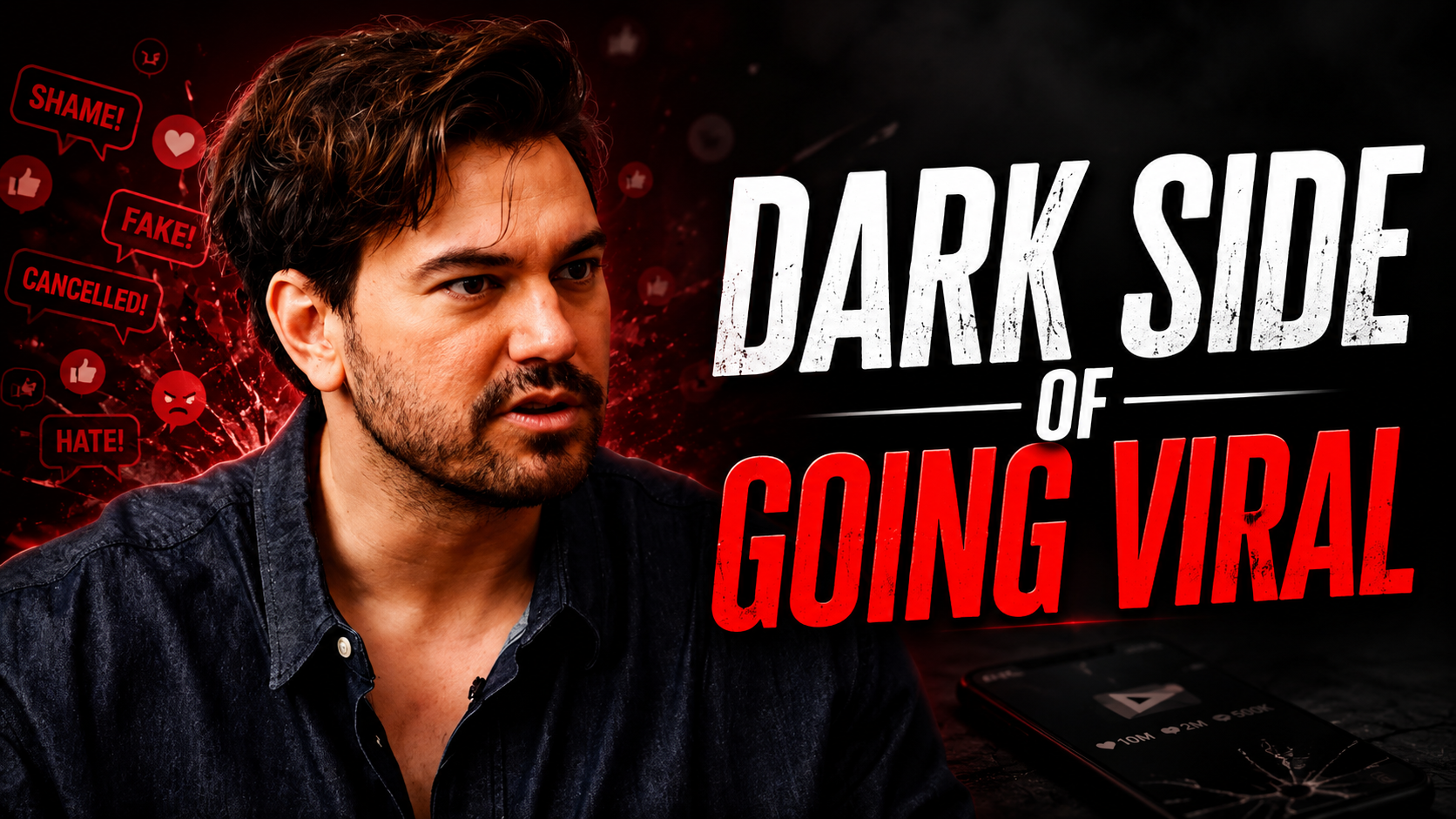
The 15-Second Pressure on Creative Work
Short-form content has transformed the media landscape. Platforms now reward quick hooks, polished visuals and immediate emotional reactions. Creators are told to capture attention instantly or risk being ignored.
The problem is that not every meaningful idea can be compressed into a few seconds. A great performance, thoughtful conversation or deeply researched opinion may need time to unfold. However, the algorithm often favours content that delivers instant stimulation.
This creates a difficult environment for artists, educators, podcasters, filmmakers, writers and public thinkers. They are no longer just competing on the quality of their work. They are competing against the mechanics of attention.
When Craft Gets Ignored and Rage Gets Rewarded
One of the most painful realities of the digital age is that genuine craft can be overlooked. A talented dancer, musician or speaker may have extraordinary skill, yet receive very little visibility online.
At the same time, someone can look into a camera, speak aggressively, attack a public figure or create conflict, and the algorithm may reward that content with huge reach.
This is not simply a creative issue. It is a cultural issue. When platforms reward outrage, they shape what society sees, discusses and values. The danger is that audiences begin to mistake visibility for quality.
Watch the complete Podcast
Rage Bait and the Viral Formula
Rage bait is content designed to provoke anger, frustration or emotional reaction. It often targets public figures, celebrities, politicians or trending topics. The goal is not always to contribute meaningfully to a conversation. The goal is to trigger engagement.
Likes, comments, shares and arguments all signal activity to the algorithm. As a result, anger can become a growth strategy.
For creators, this creates a dangerous temptation. Someone may begin their journey with authenticity, trying different ideas and formats. Then they notice that one aggressive post performs better than everything else. Slowly, they begin creating for reaction rather than truth.
Are Creators Being Trained by the Algorithm?
Many creators do not start out wanting to be negative. They begin with passion, curiosity and a desire to express something real. But once the algorithm rewards a particular style, it can become difficult to resist repeating it.
If anger gets views, creators may become angrier. If controversy gets followers, creators may become more controversial. If attacking others gets reach, creators may start building their identity around criticism.
Over time, the creative journey becomes limited. Instead of asking, “What do I want to say?” the creator starts asking, “What will the audience react to?”
That is when creativity begins to shrink.
The Loss of Art for Art’s Sake
There is something deeply human about creating simply because the work matters. Art for art’s sake means creating from love, curiosity, truth and expression, not just for metrics.
But social media often changes that relationship. Views, followers, leads and engagement become the measure of success. When those numbers dominate, creators may start producing what performs rather than what feels meaningful.
The tragedy is that audiences also lose something. They receive more content, but less depth. More reaction, but less reflection. More noise, but less craft.
Who Decides What Is Valuable?
One of the most important questions in this conversation is: who gets to decide what is valuable?
In the past, communities, audiences, critics, educators and cultural institutions helped shape the value of creative work. Today, private technology companies and their algorithms play a major role in deciding what people see.
This does not mean all algorithmic content is bad. Many powerful voices have gained visibility because of digital platforms. However, when algorithms prioritise speed, emotion and outrage, they can distort public attention.
A society should be careful when a corporation becomes the invisible judge of cultural value.
The Impact on Public Conversation
Rage-driven content does not only affect artists. It also affects politics, media, public debate and community trust.
When people are constantly exposed to conflict-heavy content, they may become more cynical, anxious or divided. Serious issues become entertainment. Public figures become targets. Complex problems are reduced to short emotional clips.
This makes it harder to have thoughtful conversations about the issues that matter, including care, ageing, disability, childcare, workforce shortages and community wellbeing.
A healthy society needs more than viral outrage. It needs spaces for listening, learning and meaningful discussion.
Why Thoughtful Conversations Still Matter
Long-form conversations, podcasts, conferences and community forums remain essential because they allow ideas to breathe. They give people the opportunity to explain, challenge, question and reflect.
Not every valuable idea will go viral. Not every important conversation will fit neatly into 15 seconds. But that does not make it less meaningful.
In fact, the future may belong to people and organisations who can combine both: short-form content that captures attention, and deeper conversations that build understanding.
Reclaiming Creativity from the Algorithm
Creators do not have to reject social media, but they do need to use it consciously. The goal should not be to become a servant of the algorithm. The goal should be to use platforms as tools while staying connected to purpose.
That means creating content that is engaging without becoming harmful. It means being bold without relying on hate. It means being interesting without manufacturing outrage.
Most importantly, it means remembering that reach is not the same as impact.
A Call for Better Conversations in the Care Sector
The care sector needs thoughtful, human and courageous conversations now more than ever. NDIS, aged care and childcare are not just policy areas. They affect families, workers, providers and communities across Australia.
These sectors deserve more than headlines, outrage and simplified online debates. They deserve meaningful dialogue, practical ideas and collective action.
To continue this important conversation, we invite you to attend the National Care Sectors Conference: NDIS, Aged Care & Childcare 2026 on 28 August 2026.
Join us for a moving and inspiring event that brings together leaders, providers, advocates, professionals and changemakers across the care economy. This conference is an opportunity to listen, learn, connect and help shape the future of care in Australia.
Be part of the conversation that goes beyond the algorithm and focuses on what truly matters: people, care and community.