
The Indian Army on Gallipoli: Preserving History, Legacy and Shared Memory
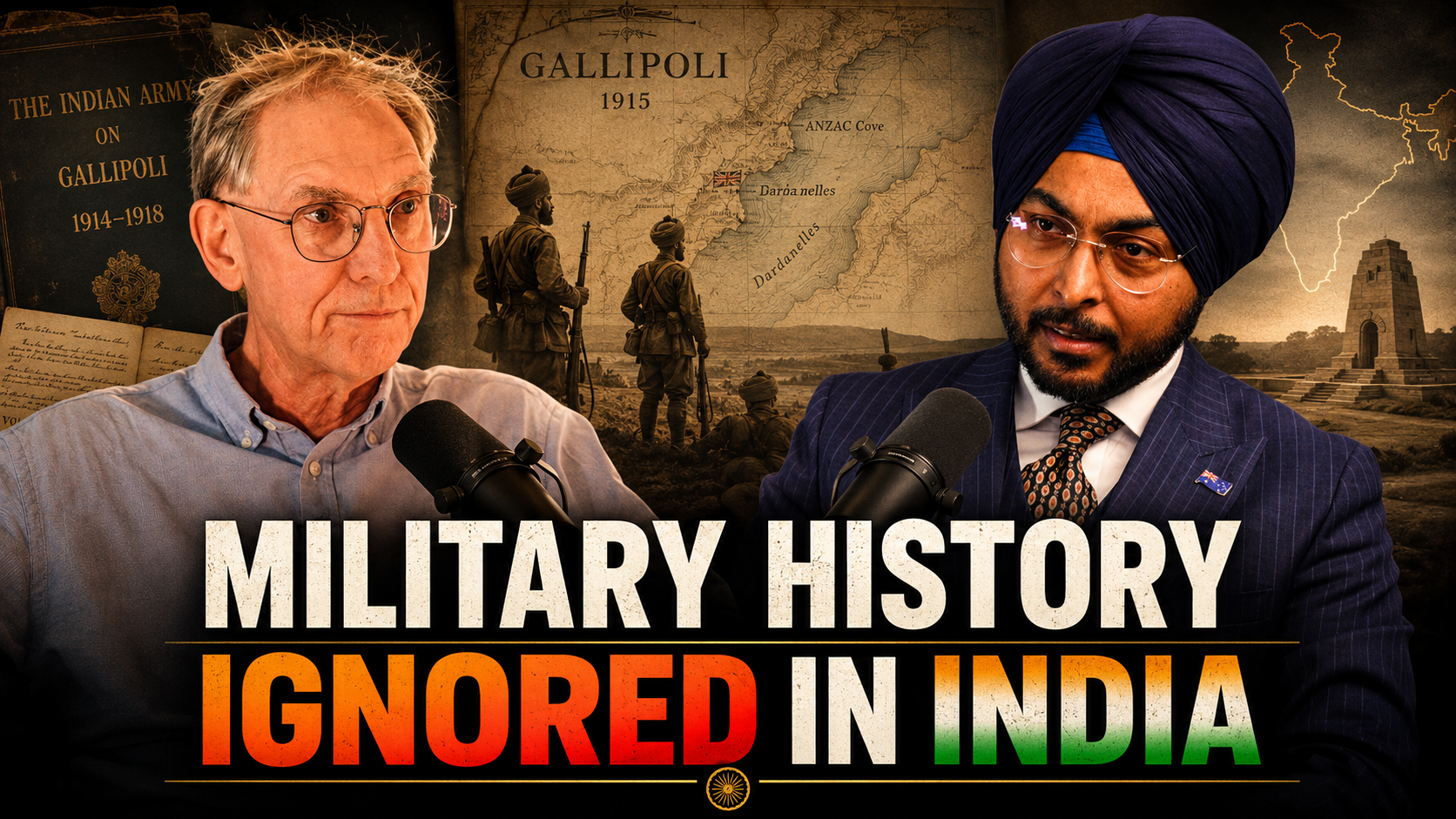
History is never truly finished. Every book, every archive, every family story and every new perspective adds another layer to our understanding of the past. This is especially true when it comes to the history of the Indian Army on Gallipoli, a subject that continues to inspire researchers, historians, military scholars and communities across the world.
The story of the Indian Army at Gallipoli is not only a military history. It is also a story of sacrifice, identity, remembrance and legacy. It invites us to ask important questions about who is remembered, whose stories are preserved, and how future generations can continue the work of uncovering hidden histories.
A Legacy Project Rooted in Research
Writing about the Indian Army on Gallipoli is more than an academic exercise. It is a legacy project.
Research of this kind helps bring overlooked contributions into public memory. It allows readers to better understand the role Indian soldiers played in global conflicts and the complex history of empire, service and sacrifice.
For many years, military history connected to India has not always received the level of attention it deserves. That makes each new contribution significant. When historians, former military officers and researchers take up this subject, they help ensure these stories are not forgotten.
Why Historical Handover Matters
One of the most powerful ideas in historical work is handover. A historian may begin a project, but the work does not end with one book or one researcher.
When other historians build on existing research, they bring new sources, fresh interpretations and different cultural perspectives. This is not competition. It is collaboration across time.
In the case of the Indian Army on Gallipoli, new books and projects have continued to emerge. Some researchers have brought Indian perspectives to the subject. Others have explored the campaign through broader international military history. Together, these works deepen public understanding and keep the conversation alive.
Watch the complete Podcast on YouTube.
Historians and the Spirit of Sharing
Unlike some academic fields, historians often depend on openness. Archives, sources, references and discoveries become more valuable when they are shared responsibly.
The best historical work encourages others to ask new questions. It invites fresh voices into the conversation. It allows future researchers to challenge, expand and strengthen what has already been written.
This spirit of generosity matters deeply. When historians support one another, the public benefits. More stories are uncovered. More communities see themselves reflected in history. More forgotten contributions are brought into view.
The Importance of Indian Military History
Indian military history is a vital part of global history. Indian soldiers served in major conflicts across continents, yet their stories have often been underrepresented in mainstream narratives.
The history of the Indian Army on Gallipoli is one example of this wider need for recognition. It reminds us that the First World War was not only a European war. It involved soldiers, labourers and support personnel from across the world, including India.
By studying these histories, we gain a fuller and more honest understanding of the past. We also honour the individuals and families whose lives were shaped by these events.
New Perspectives Strengthen the Story
Every historian brings a different lens to the past. A retired Indian Army officer may approach Gallipoli with military experience and cultural understanding. A Turkish historian may bring another view shaped by national memory and battlefield interpretation. A British or Australian scholar may approach the subject through archival and imperial records.
Each perspective adds value.
Together, these voices help move history beyond a single narrative. They allow us to see Gallipoli not only as a battlefield, but as a shared human story involving multiple armies, cultures and communities.
Family Stories and the Power of Memory
While archives are essential, family stories can also transform historical understanding.
Letters, photographs, medals, diaries and oral histories can reveal deeply personal details that formal records may overlook. If more family stories connected to the Indian Army on Gallipoli were to emerge, they could open new pathways for research and remembrance.
This is why public engagement matters. History is not only kept in universities and libraries. It is also kept in homes, memories and family traditions.
Preserving the Past for Future Generations
The continued research into the Indian Army on Gallipoli shows why legacy projects matter. They do not simply look backwards. They shape how future generations understand courage, identity, service and belonging.
When historians share their work and encourage others to continue it, they create a living legacy. They ensure that history remains active, inclusive and open to new discovery.
The more people write, research and speak about the Indian Army on Gallipoli, the stronger the historical record becomes.
Join Us at the National Child & Family Safety Leadership Summit 2026
Just as historical work helps preserve the stories and dignity of past generations, leadership today must focus on protecting the safety, wellbeing and future of children and families.
We warmly invite you to attend the National Child & Family Safety Leadership Summit 2026 on 22nd May 2026.
Join us for a moving and inspiring event that brings together leaders, professionals, advocates and changemakers committed to creating safer communities. This summit will be an opportunity to learn, connect and contribute to meaningful conversations that support stronger, safer futures for children and families.