
When Silence Becomes Survival: Recognising the Early Signs of Abuse
Domestic and family violence does not always begin with a dramatic moment. Sometimes, it starts with one insult, one controlling comment, one slap, or one conversation that is shut down before it can even begin. Over time, these moments can become a pattern, and that pattern can make a person feel trapped, confused and afraid to speak.
In this powerful conversation, we hear a deeply honest reflection on what it feels like to look back on a long journey of abuse. The question is painful but important: When would you have walked away? For many survivors, the answer is never simple. Leaving is not just about recognising harm. It is also about fear, children, finances, emotional attachment, safety, shame, and the hope that things might change.
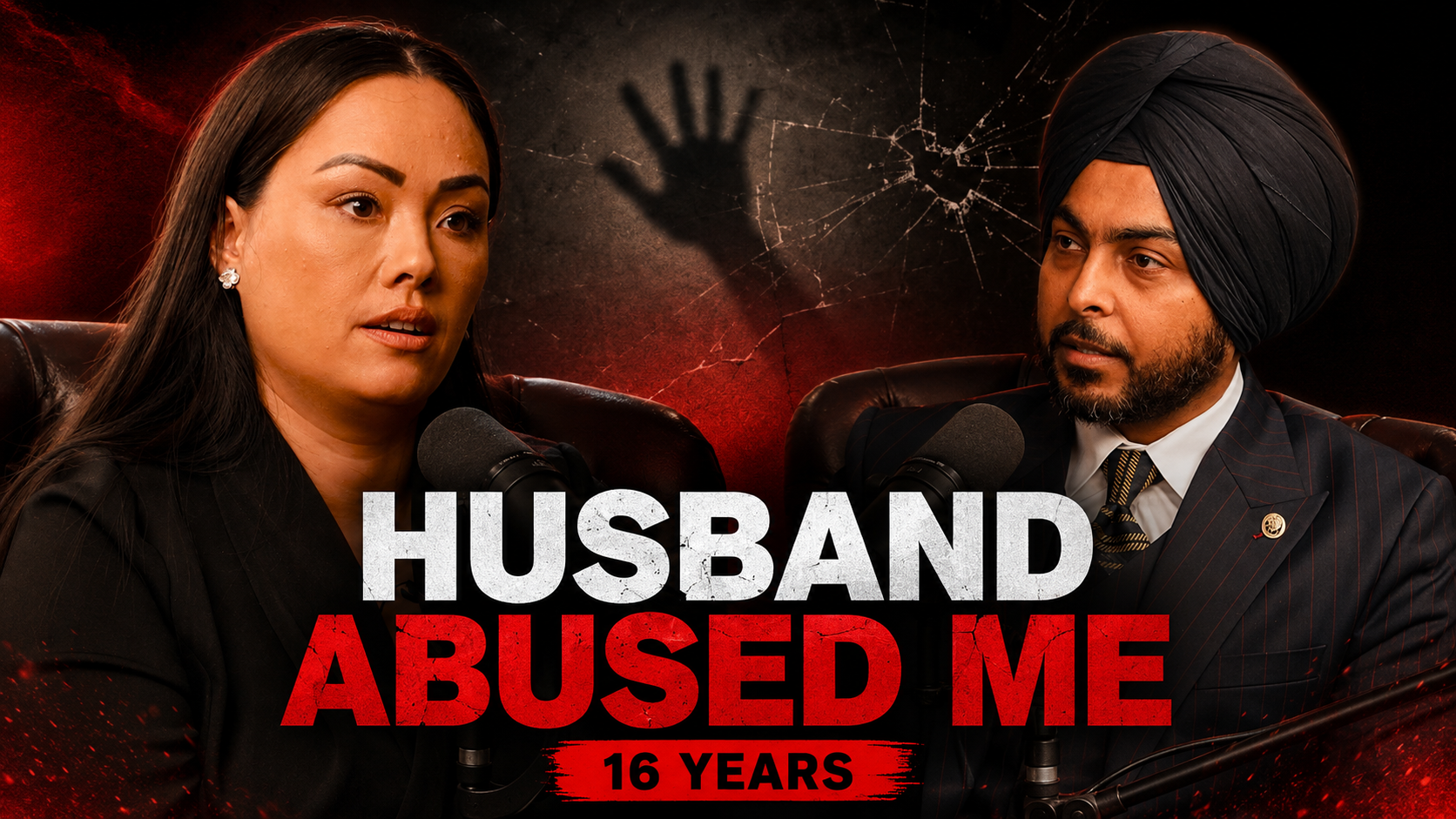
One of the most moving parts of this story is the way survival mode is described. When someone says, “You’re hurting me,” and the conversation is shut down with threats, violence or intimidation, they quickly learn that silence may feel safer than speaking. This is how abuse becomes normalised. Not because it is acceptable, but because the victim is doing what they need to do to survive.
It is easy for people outside the relationship to ask, “Why didn’t you leave sooner?” But a better question is, “What made it so hard to leave, and how can we build safer support systems?” Abuse often creates fear and dependence. It can make a person doubt their own judgement, minimise their pain, and focus only on getting through the next day.
This story also reminds us that survivors often become powerful advocates for others. Even when someone cannot call out abuse in their own relationship, they may recognise it clearly in someone else’s life. That courage matters. Lived experience can become a source of strength, awareness and change.
Watch the complete Podcast on YouTube.
The early signs of abuse should never be ignored. Name-calling, physical violence, controlling behaviour, fear of speaking up, emotional shutdowns and threats are not “relationship problems”. They are warning signs. The first slap, the first cruel insult, the first moment of fear — these are moments that deserve attention, support and safety planning.
As a community, we must listen without judgement, believe survivors, and create spaces where people feel safe enough to speak. Domestic and family violence is not a private issue. It is a community safety issue, a child safety issue, and a leadership issue.
To continue this important conversation, we invite you to attend the National Child & Family Safety Leadership Summit 2026 on 22nd May 2026. Join us for a moving and inspiring event that brings together leaders, advocates, professionals and community voices committed to protecting children, supporting families and creating safer futures for all.