
Sikh Family History, the Great War and the Search for Forgotten Stories
For many families in the Sikh diaspora, history is not only found in books, archives or museums. It lives in fragments: a grandfather who served in the Great War, a family story about Gallipoli, a name remembered but not fully understood, or a military service that was never properly recorded in family memory.
These fragments often create a deep curiosity. They also create frustration. Families know that someone in their past served, sacrificed or travelled across the world in wartime, but they may not know where to begin when trying to uncover the full story.
This search for history is especially powerful for Sikh, Indian and migrant families who want to reconnect with the experiences of their ancestors.
Why Sikh Military History Matters
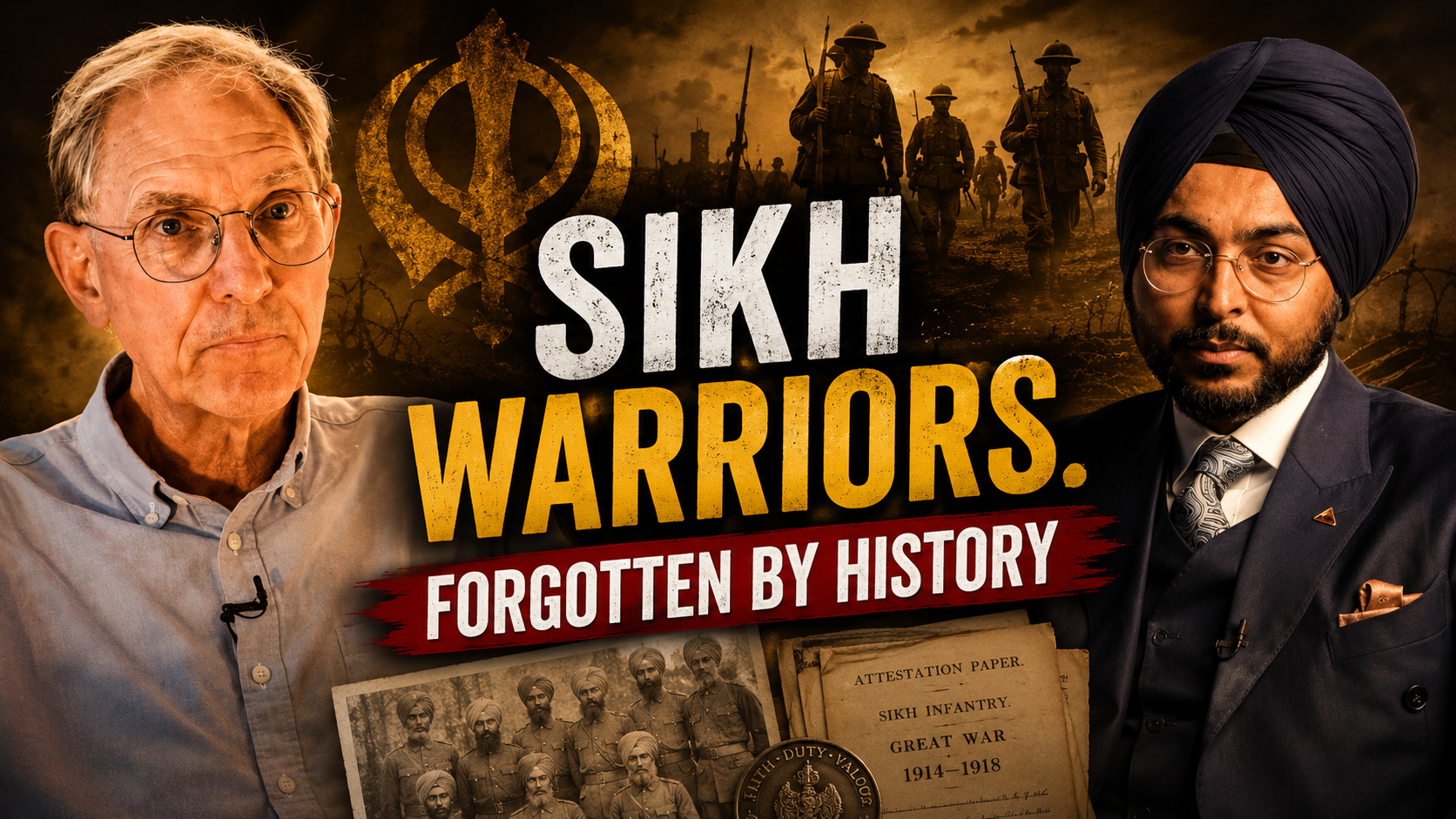
Sikh soldiers played an important role in the First World War, serving in different theatres of conflict, including Gallipoli, Mesopotamia and Palestine. Yet many families today know very little about the individual experiences of their grandfathers, great-grandfathers or great-uncles.
This gap matters because family history helps people understand identity, migration, sacrifice and belonging.
For members of the Sikh diaspora living in countries such as Australia, the United Kingdom and the United States, military history can become a bridge between personal heritage and national history. It allows families to ask important questions: Where did our ancestors serve? What did they experience? How did their service shape our family story?
The Frustration of Not Knowing More
Many families begin with only a small piece of information. They may know that a grandfather served in the Great War. They may have heard that he was at Gallipoli. They may know a regiment, a unit or a place name. But beyond that, the details may be missing.
This can be frustrating, especially when families see that others are able to trace detailed military records and personal service histories.
For Indian and Sikh families, the historical record can be harder to access, incomplete or scattered across different archives. As a result, families may feel that their ancestors’ stories have been left in the margins of history.
How Historians Help Families Reconnect
Public historians play an important role in helping families make sense of these fragments.
A public historian is not only concerned with academic research. They also help ordinary people understand their relationship to history. This kind of work brings the past closer to families, communities and future generations.
Even when an individual soldier’s full personal record cannot be found, historians may still be able to help. If a family knows the regiment or unit, it may be possible to understand where that unit served, when it was active and what campaigns it joined.
For example, if an ancestor served with a particular Sikh regiment, the family may be able to use regimental history as a substitute for missing personal history. While this may not reveal every detail of one person’s life, it can still provide valuable context.
Watch the complete Podcast on YouTube.
Regimental History as Family History
When personal records are limited, regimental histories become incredibly important.
They can help families understand the likely movements, battles and experiences of their ancestors. If a soldier enlisted in a certain year and served in a known regiment, families may be able to trace the broader journey of that unit.
This can help transform a vague family memory into a more meaningful story.
Instead of simply saying, “Our grandfather served in the Great War,” a family may begin to understand that he may have served in Mesopotamia, Palestine, Gallipoli or another significant campaign. This gives descendants a stronger connection to the past.
The Sikh Diaspora and the Search for Identity
Across the Sikh diaspora, there is growing interest in family history, military service and ancestral memory. Families in Australia, the UK, the US and other countries are seeking to understand where they come from and how their ancestors contributed to world history.
This search is not only about names and dates. It is about belonging.
For migrant families, history can help children and grandchildren understand the strength, courage and sacrifice that came before them. It can also help communities feel seen and recognised in the wider national story.
Why These Stories Must Be Preserved
Every family story matters. When stories are not recorded, they can disappear within a generation.
That is why conversations with elders, family documents, photographs, medals, letters and oral histories are so important. Even small details can become valuable clues for future research.
Families should be encouraged to ask questions, record memories and preserve whatever information they have. The story may not be complete today, but each detail can help build a fuller picture for future generations.
History, Healing and Intergenerational Connection
Learning about family history can be deeply moving. It can bring pride, grief, curiosity and healing. It can also strengthen relationships between generations.
When younger people learn about the lives of their ancestors, they gain a deeper understanding of resilience and sacrifice. They begin to see themselves as part of a longer story.
This is especially important for children and families in migrant communities, where identity may be shaped by more than one country, culture and historical experience.
Building Safer, Stronger Futures Through Shared Stories
The search for Sikh family history reminds us that every family carries stories of courage, loss, service and survival. When those stories are preserved, they help build stronger families and more connected communities.
Understanding the past can also guide how we lead in the present. It teaches us to listen, to honour lived experience and to create spaces where families feel recognised and valued.
To continue this important conversation about family, identity, leadership and community safety, we warmly invite you to attend the National Child & Family Safety Leadership Summit 2026 on 22nd May 2026.
Join us for a moving and inspiring gathering of leaders, practitioners, advocates, researchers and changemakers committed to strengthening child and family safety. Together, we will explore how history, culture, leadership and community action can help build safer, more connected futures for children and families.
Join us on 22nd May 2026 and be part of a meaningful movement for change.