
Who Are the Parsis? A Story of Migration, Identity and Contribution
The story of the Parsi community is one of resilience, faith, adaptation and extraordinary contribution. Though small in number, Parsis have left an unmistakable mark on India and the wider world through enterprise, philanthropy, medicine, public service, culture and community leadership.
Rooted in ancient Persia, now modern-day Iran, the Parsis follow Zoroastrianism, one of the world’s oldest monotheistic faiths. Their journey from Persia to India is not just a story of migration; it is a story of survival, belonging and the power of preserving identity while embracing a new homeland.
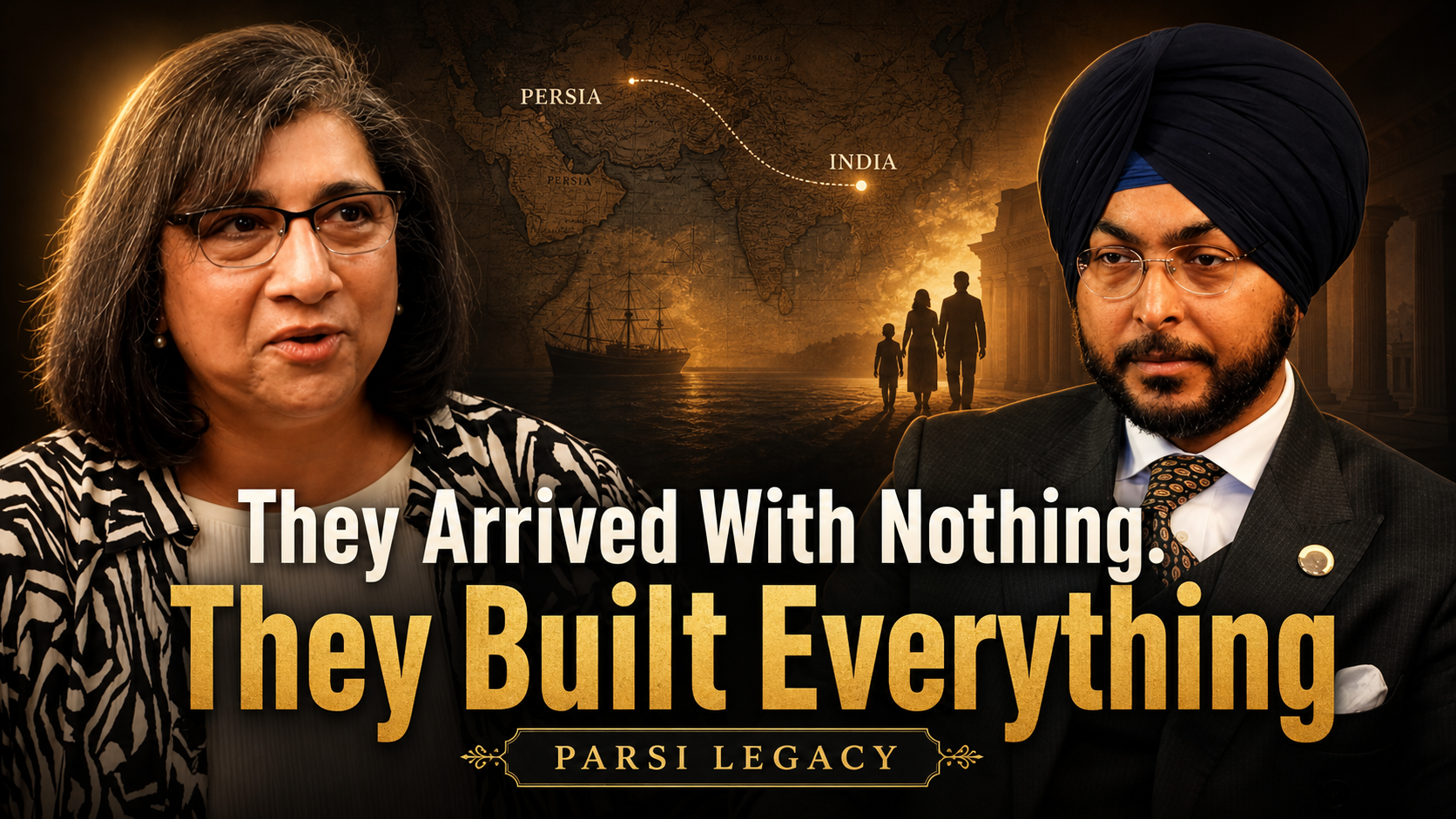
The Origins of the Parsi Community
The word “Parsi” comes from “Pars”, the region associated with ancient Persia. Historically, Persia was a vast empire, stretching across regions that today include Iran, parts of Central Asia and beyond. It was within this world that the prophet Zarathustra, also known as Zoroaster, preached the principles of Zoroastrianism.
Following the Arab Muslim conquest of Persia, many Zoroastrians faced pressure to convert. To preserve their faith and way of life, a group of Zoroastrians fled Persia and sailed to the western coast of India. They landed in Gujarat, at a place called Sanjan, where they sought refuge and a new beginning.
The Story of Sugar in Milk
One of the most cherished stories in Parsi history is the legend of sugar in milk.
When the Parsis arrived in Gujarat, the local ruler, Jadi Rana, is said to have indicated that his land was already full, like a glass of milk filled to the brim. In response, the Parsi priest asked for sugar and gently stirred it into the milk without causing it to overflow.
The message was simple yet profound: the Parsis would blend into the local society like sugar dissolving in milk — sweetening it without displacing anyone.
This story continues to symbolise the Parsi spirit: integration without losing identity, contribution without domination, and harmony without erasure.
Watch the complete Podcast on YouTube.
Preserving Culture While Embracing India
The Parsis were welcomed on certain conditions. They were asked to adopt the local language, dress in the local style, avoid bearing arms, and conduct their wedding ceremonies after sunset. These customs influenced Parsi life in India and many continue to this day.
Over time, the Parsis became deeply connected with Gujarati culture. Many adopted Gujarati as their mother tongue, Parsi women wore the sari in a distinctive style, and local geography shaped everyday life including food. As coastal communities, fish became central to Parsi cuisine and remains important in auspicious meals and celebrations.
From Agriculture to Enterprise
The early Parsis in Gujarat were largely agriculturists, tending orchards and working the land. As commerce expanded in the 17th and 18th centuries, many Parsis moved to growing urban centres such as Surat and Bombay, now Mumbai.
Their skills, adaptability and entrepreneurial spirit helped them flourish. Under British rule, Parsis became involved in trade, shipbuilding, industry and professional life. Many Parsi surnames also developed from trades, places or occupations, making them easier for the British to recognise and remember.
Names such as Tata, Wadia and Godrej became associated with enterprise, innovation and nation-building. These families and many others helped shape modern India through business, philanthropy, education, healthcare and public service.
A Small Community with a Large Legacy
Today, Parsis are a small community, with estimates suggesting only tens of thousands worldwide. Yet their impact has been immense.
From industrialists and freedom fighters to doctors, lawyers, artists, philanthropists and civic leaders, Parsis have contributed far beyond what their numbers might suggest. Their history reminds us that community strength is not measured only by size, but by values, vision and service.
The Parsi story also offers a powerful lesson for today: societies are enriched when people are welcomed, when cultures are respected, and when communities are allowed to contribute while maintaining their identity.
Why the Parsi Story Still Matters
In a world often divided by questions of belonging, migration and cultural difference, the Parsi experience remains deeply relevant. Their journey shows that integration does not require the loss of heritage. It shows that minority communities can preserve their traditions while contributing meaningfully to the wider society.
The story of sugar in milk is more than a historical legend. It is a model for inclusive leadership, cultural respect and social harmony.
As communities, institutions and leaders continue to think about safety, belonging and the future of families, the Parsi story reminds us that identity, dignity and inclusion matter.
Join Us at the National Child & Family Safety Leadership Summit 2026
To continue these important conversations around leadership, community, belonging and safety, we invite you to attend the National Child & Family Safety Leadership Summit 2026 on 22nd May 2026.
Join us for a moving and inspiring gathering of leaders, professionals, advocates and changemakers committed to creating safer, stronger and more compassionate communities for children and families.
Be part of a meaningful day of reflection, learning and leadership and help shape a safer future for the next generation.