Net Zero, Energy Reality & the True Cost of Power: Rethinking the Path to a Sustainable Future
The global push towards net zero emissions has become one of the defining challenges of our time. Governments, industries, and communities are striving to reduce carbon footprints and transition to cleaner energy systems. But beneath the ambition lies a complex question:
Is net zero a realistic, sustainable goal or a constantly shifting equation?
This blog explores the realities of renewable energy, the hidden costs across the value chain, and why honest conversations about energy including nuclear are essential for a balanced future.
What Does “Net Zero” Really Mean?
At its core, net zero refers to balancing the amount of greenhouse gases emitted with the amount removed from the atmosphere. It is grounded in the broader concept of Net zero emissions.
However, achieving net zero is not a static outcome. Energy systems are dynamic:
- Demand fluctuates daily and seasonally
- Supply varies depending on weather and infrastructure
- Technologies evolve over time
As many experts point out, net zero is not a permanent state it is a balancing act. It may be achievable momentarily, but maintaining it continuously requires constant adjustment.
The Intermittency Challenge: When Renewables Don’t Generate Power
Renewable energy sources such as wind and solar are critical to decarbonisation. However, they come with a fundamental limitation: intermittency.
Wind Energy
Wind turbines only generate electricity when wind conditions are suitable. Calm periods can last hours or even days.
Solar Energy
Solar panels depend on sunlight, meaning output drops at night and during cloudy conditions.
The Implication
When renewables are not producing energy, backup systems must step in immediately to maintain grid stability.
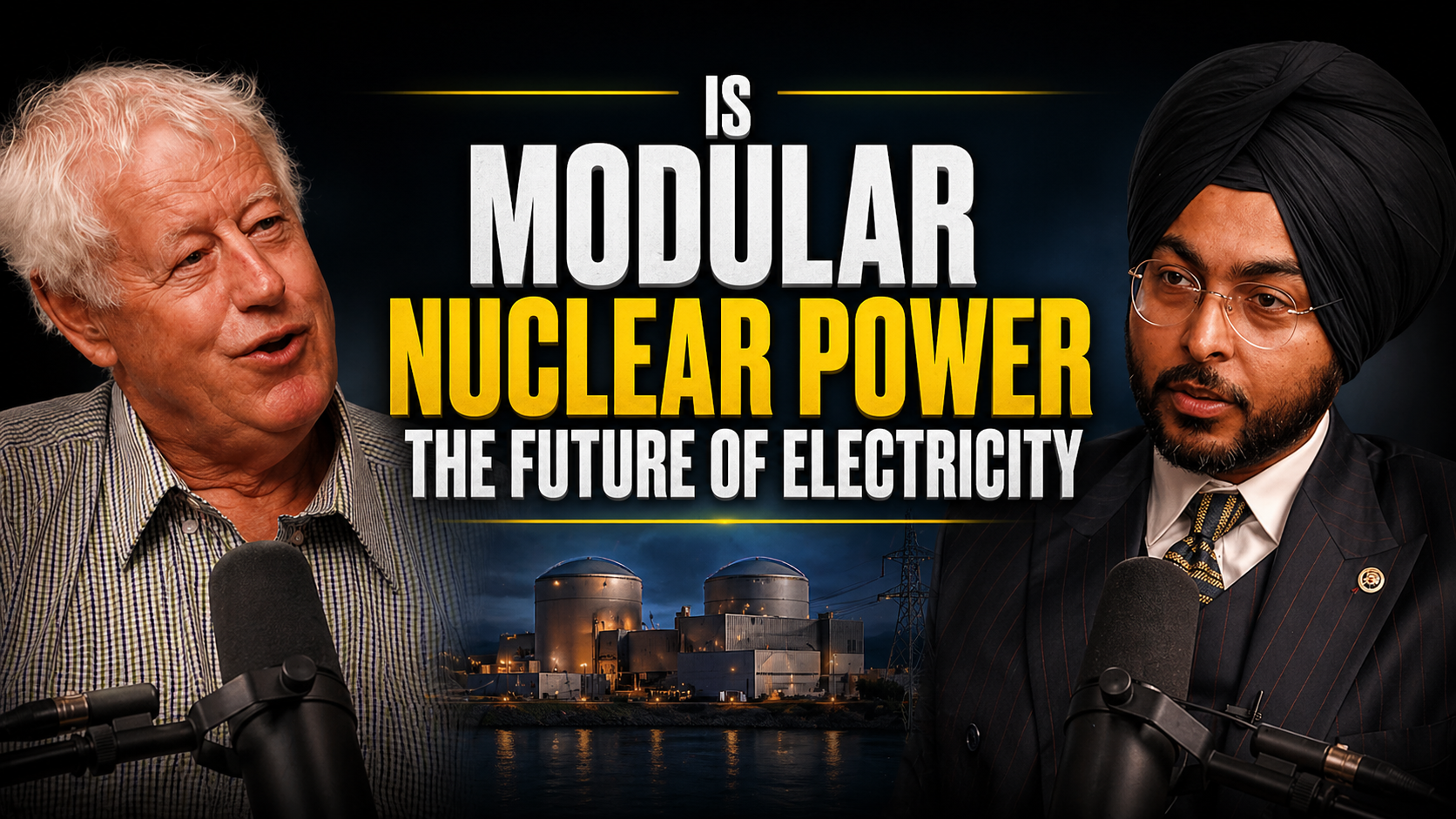
Watch the complete Podcast on YouTube.
The Hidden Cost of “Clean” Energy
Many people assume renewable energy is inherently low-cost and environmentally neutral. However, this perspective often overlooks the full lifecycle cost.
Infrastructure and Materials
- Wind turbines require massive foundations made from concrete and steel
- Solar panels involve energy-intensive manufacturing processes
- Transmission lines must expand significantly to connect dispersed energy sources
Concrete production, in particular, is one of the most carbon-intensive industrial processes globally.
Parallel Systems: A Double Investment
To ensure reliability, energy systems often require:
- Renewable infrastructure (wind, solar)
- Backup generation (typically gas-powered plants)
This creates two parallel capital systems, both of which must be funded and maintained.
The Role of Backup Power: Why Gas Still Matters
Among backup energy sources, gas-fired power plants are often used because they can be switched on quickly when needed.
However:
- Gas is one of the more expensive forms of electricity generation
- Plants must remain idle but ready, adding ongoing costs
- Prolonged periods of low renewable output (e.g. 7–10 days) can significantly increase system costs
This raises a critical question:
Are we fully accounting for the economic realities of energy transition?
Nuclear Energy: The Missing Conversation?
Globally, nuclear power remains a significant contributor to low carbon electricity. Countries like France have invested heavily in nuclear infrastructure, enabling stable and relatively clean energy supply.
Meanwhile:
- Germany relies partly on imported nuclear-generated electricity
- Nuclear technology continues to evolve, including small modular reactors (SMRs)
- Nations with uranium reserves have untapped potential
Even compact systems such as those used in nuclear submarines demonstrate the feasibility of modular nuclear energy, though large scale deployment comes with regulatory, safety, and public perception challenges.
Transmission, Land Use & Community Resistance
Transitioning to renewable energy also requires significant expansion of transmission networks.
This creates tension:
- Rural communities often resist large scale infrastructure
- Farmers may oppose transmission lines across their land
- Environmental and aesthetic concerns arise
These social factors are just as important as technological ones in shaping the future of energy.
Rethinking the Net Zero Narrative
The path to net zero is not as simple as switching from fossil fuels to renewables. It involves:
- Complex trade-offs
- Full lifecycle accounting
- Economic and social considerations
- Honest evaluation of all energy options
A balanced approach may include:
- Renewables (wind, solar)
- Reliable backup systems
- Nuclear energy
- Improved storage technologies
- Smarter grid management
Why This Matters Beyond Energy
Energy policy is not just about electricity it affects:
- Household affordability
- Economic stability
- Community wellbeing
- Social equity
When energy systems fail or become too expensive, vulnerable families are often the hardest hit.
Be Part of the Conversation
These complex challenges require informed leadership, cross sector collaboration, and community engagement.
Join us at the National Child & Family Safety Leadership Summit 2026 on 22nd May 2026.
This moving and inspiring event will bring together thought leaders, policymakers, and practitioners to explore the broader impacts of systems like energy, safety, and social support on families and communities.
Be part of a future-focused dialogue that connects policy, people, and purpose because sustainable systems create safer families and stronger societies.