Drug Rehabilitation, Domestic Violence & Care Burden: Rethinking Support Systems for Families
Substance misuse, domestic violence, and unequal care burdens are deeply interconnected challenges affecting families worldwide. Across communities, these issues often reinforce one another creating cycles that are difficult to break without sustained, compassionate, and evidence based support systems.
This article explores how modern drug rehabilitation works, the debate around medication assisted treatment, and the broader social context particularly family safety and gender inequities that must be addressed to create lasting change.
Understanding Drug Rehabilitation: How It Really Works
Drug rehabilitation is not a one-size-fits-all process. Effective programmes recognise that addiction is a chronic, relapsing condition that requires long-term care rather than short-term fixes.
1. Detoxification and Stabilisation
The first step often involves detoxification, where the body clears harmful substances. This stage can be physically and psychologically demanding, requiring medical supervision.
2. Medication Assisted Treatment (MAT)
In some cases, individuals are prescribed medications such as Methadone or Buprenorphine to reduce cravings and withdrawal symptoms.
This approach raises an important question:
Is replacing one substance with another truly recovery?
The answer lies in harm reduction. These medications are:
- Clinically controlled
- Lower risk than illicit drugs
- Designed to stabilise individuals so they can rebuild their lives
Rather than perpetuating addiction, MAT helps people regain control, reduce harm, and engage in therapy.
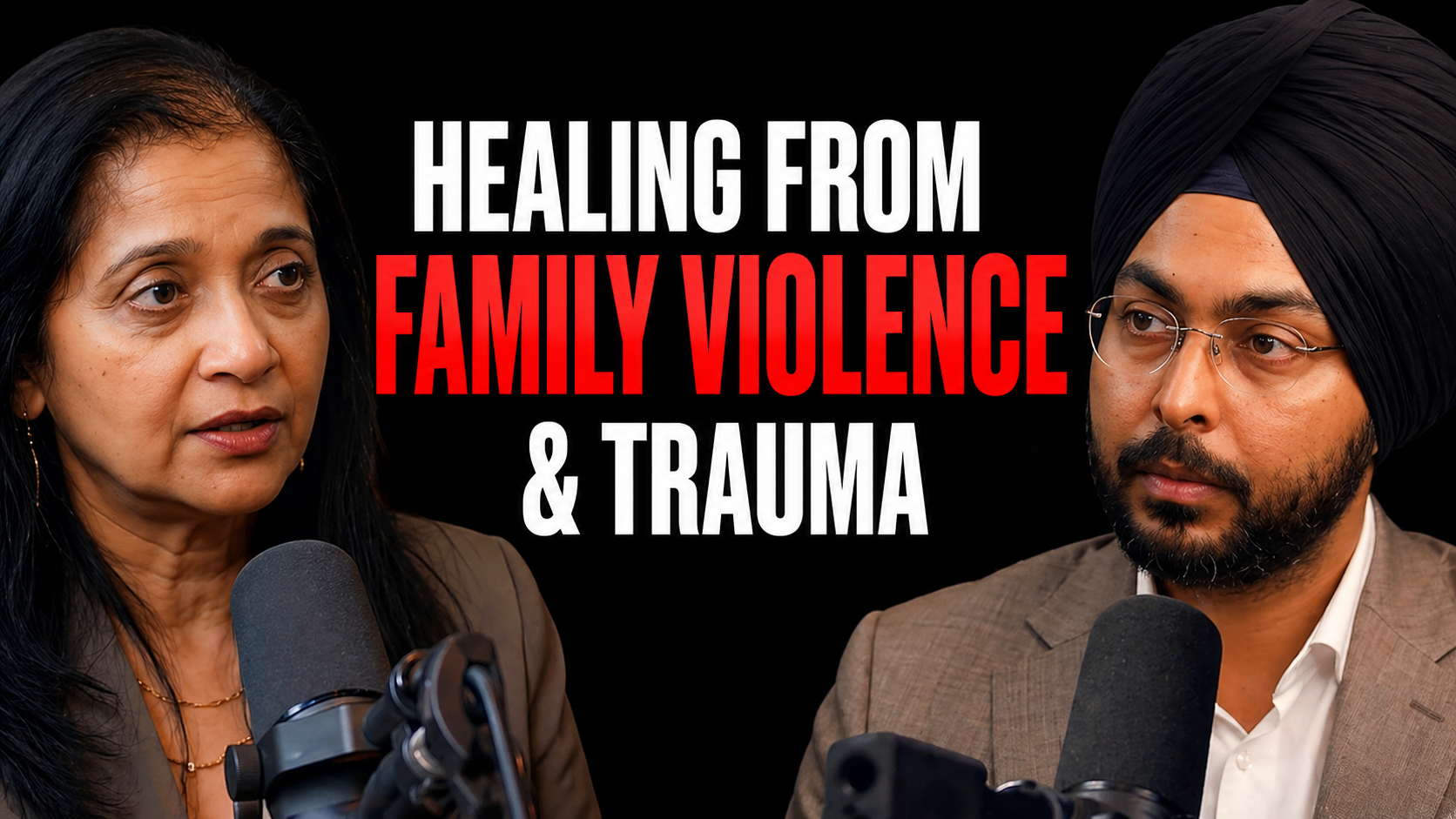
Watch the complete Podcast on YouTube.
3. Therapy and Behavioural Support
Rehabilitation programmes often include:
- Individual counselling
- Group therapy
- Trauma-informed care
- Peer mentoring
Long-term residential programmes (6–9 months or more) provide structured environments where individuals can rebuild routines, relationships, and self-worth.
Why Recovery Is So Challenging
Addiction rarely exists in isolation. Many individuals:
- Have experienced trauma or abuse
- Have fractured family relationships
- Face stigma and social exclusion
Families, in turn, may feel:
- Fear of theft or harm
- Emotional exhaustion
- Loss of trust
This breakdown creates a cycle where individuals lack the very support they need to recover.
Recovery, therefore, depends heavily on:
- Long-term support networks
- Safe environments
- Consistent mentorship
- Opportunities for reintegration into family life
Alternative Models of Rehabilitation
Globally, several models have been tested with varying success:
Harm Reduction Models
Focus on reducing the risks associated with drug use rather than insisting on immediate abstinence.
Therapeutic Communities
Residential programmes emphasising shared responsibility, peer support, and behavioural change over extended periods.
Holistic Recovery Models
Incorporate mental health care, employment training, and social reintegration.
Trauma-Informed Care
Recognises that many individuals struggling with addiction have histories of violence or neglect and tailors treatment accordingly.
The Overlooked Link: Domestic Violence and Addiction
Substance misuse and domestic violence often intersect. In many cases:
- Addiction can both stem from and contribute to abusive environments
- Survivors may use substances as coping mechanisms
- Perpetrators may misuse substances, escalating harm
Research consistently shows that women are disproportionately affected by domestic and family violence, particularly in culturally diverse and migrant communities.
The impacts are far reaching:
- Psychological trauma
- Financial instability
- Legal challenges
- Child custody complications
Despite this, funding and policy responses often fail to address the full complexity of these issues.
Gender Inequity and the Burden of Care
Another critical but under recognised issue is the care burden.
Women are far more likely to:
- Provide unpaid care for children, elderly relatives, or affected partners
- Sacrifice career opportunities
- Experience long-term financial disadvantage
When addiction or violence is present, this burden intensifies dramatically often leaving women with little support and significant emotional strain.
What Needs to Change?
To truly support individuals and families, systems must evolve:
- Integrated care models combining addiction treatment, mental health services, and family support
- Long-term funding for rehabilitation and domestic violence programmes
- Community-based interventions tailored to culturally diverse populations
- Education and prevention programmes targeting harmful behaviours and social norms
- Support for families, not just individuals in recovery
Recovery is possible—but only when systems recognise the complexity of people’s lives and provide sustained, holistic support.
Be Part of the Change
If these issues resonate with you—whether as a professional, policymaker, or concerned community member there is an opportunity to engage, learn, and contribute to meaningful solutions.
Join us at the National Child & Family Safety Leadership Summit 2026 on 22nd May 2026.
This moving and inspiring event will bring together leaders, practitioners, and advocates dedicated to improving child and family safety outcomes. Expect powerful discussions, evidence-based insights, and practical strategies to drive change in your community.
Be part of a conversation that matters because safer families create stronger societies.