Why Sex Education, Mental Health, and Relationships Must Be Part of Every Young Person’s Learning Journey
Bridging the Gap: What Young People Are Not Being Taught
Despite growing awareness around wellbeing, one critical area remains under-addressed in education systems worldwide: comprehensive sex and relationship education. Too often, young people are left without the tools to understand consent, communication, emotional boundaries, and healthy relationships.
This gap is not just educational it is deeply connected to mental health outcomes, interpersonal conflict, and long-term social wellbeing.
When individuals reflect on their own upbringing, many recognise that key life challenges relationship breakdowns, experiences of harm, or difficulty communicating needs could have been mitigated with earlier education. Yet, these topics are still considered taboo in many environments.
An Unconventional Path to Purpose
For many professionals working in this space, the journey is rarely linear. Transitioning from fields such as business, sport, or management into education and psychology often stems from lived experience and observation.
Moments of disruption such as the global impact of COVID-19 have prompted deeper reflection. During this time, many witnessed:
- Increased mental health challenges
- Rising relationship stress and breakdowns
- Greater exposure to issues like domestic and family violence
These realities sparked an important question:
Why aren’t we equipping young people with the skills to navigate relationships before problems arise?
The Overlap Between Psychology, Education, and Human Connection
At its core, sex education is not just about biology it is about human psychology and interpersonal relationships.
Effective education in this space helps young people understand:
- What healthy consent looks like
- How to communicate clearly and respectfully
- How to build strong, supportive relationships both romantic and platonic
- How to develop self-awareness, confidence, and emotional intelligence
These skills extend far beyond intimate relationships. They shape how individuals interact with:
- Friends and peers
- Colleagues and teams
- Communities and support networks
In essence, this is about building healthier societies through better human connection.
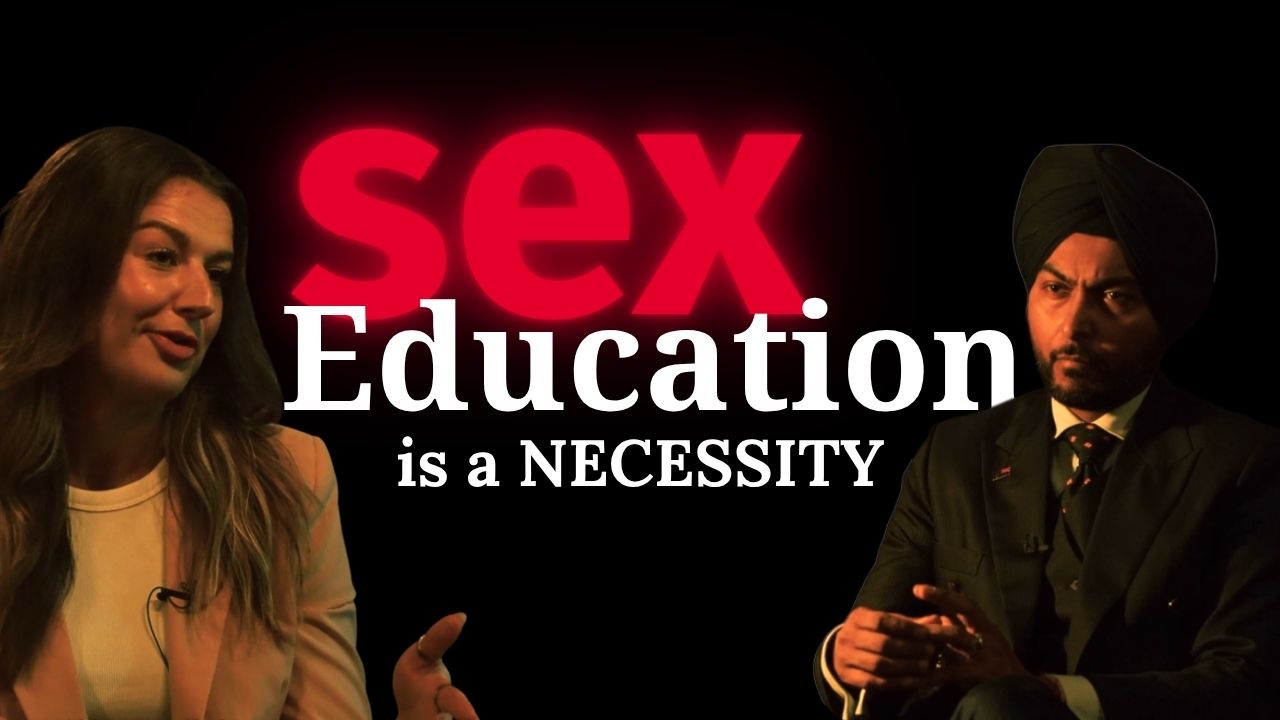
Watch the complete Podcast on YouTube.
Why This Conversation Matters More Than Ever
As more people begin to speak openly about relationships, sexuality, and mental health, a pattern emerges there is a strong appetite for knowledge, but limited access to safe, credible education.
Professionals in this field often find that simply opening up the conversation leads to:
- Individuals seeking guidance
- Increased awareness of personal challenges
- A desire to improve communication and relationships
The more knowledge is shared, the more it empowers individuals to:
- Advocate for their own needs
- Build respectful and fulfilling relationships
- Support others in their communities
From Learning to Leading Change
What begins as personal curiosity or research often evolves into a broader mission:
to share knowledge, reduce stigma, and create meaningful impact.
In many cases, this involves:
- Researching gaps in curriculum
- Exploring inclusive perspectives, including LGBTQI+ experiences
- Engaging communities through conversations, workshops, and media
- Translating complex psychological concepts into practical, everyday guidance
This work is not just academic it is deeply human. And even small insights can have a profound ripple effect in someone’s life.
A Collective Responsibility
Improving outcomes in mental health, family safety, and relationships is not the responsibility of one sector alone. It requires collaboration across:
- Education systems
- Community organisations
- Policy makers
- Health and social services
By addressing these topics early and openly, we can move from reactive responses to preventative, informed, and compassionate approaches.
Join the Conversation: National Leadership in Action
Real change begins with meaningful dialogue and the right people in the room.
The National Child & Family Safety Leadership Summit 2026 brings together leaders, practitioners, and changemakers committed to strengthening outcomes for children, families, and communities.
📅 22 May 2026
This summit will explore critical issues including:
- Family and domestic violence prevention
- Education and early intervention strategies
- Mental health and wellbeing
- Building safer, more informed communities
👉 Join us for a moving and inspiring experience one that challenges perspectives, shares knowledge, and drives real impact.
Together, we can create a future where every young person is equipped not just to succeed but to build respectful, safe, and meaningful relationships.