Breaking Barriers: Why Representation, Not Replication, Shapes Future Generations
In conversations around education, leadership, and opportunity, one idea continues to surface: who we see often shapes who we believe we can become. Yet, there’s a subtle but important misconception embedded in this thinking that role models must look exactly like us to inspire us.
That simply isn’t true.
Rethinking Role Models in Education
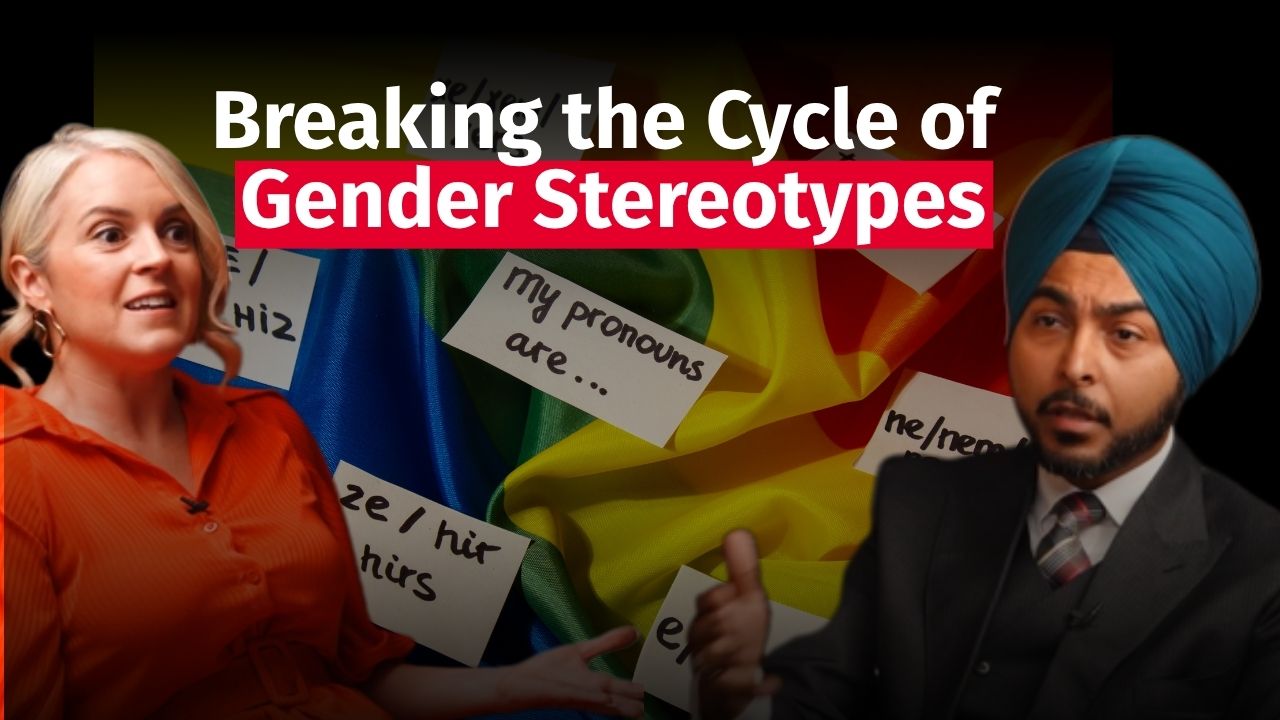
Consider a female engineer speaking at an all-boys school. At first glance, some may question whether students can relate. But inspiration is not about identical identity it’s about exposure, possibility, and perspective.
Young people don’t need carbon copies of themselves to feel inspired. What they need is:
- Visibility of diverse pathways
- Real-world examples of success
- Permission to imagine beyond stereotypes
When students see individuals from different genders, backgrounds, or industries succeeding, it expands their worldview. It challenges limiting beliefs before they even take root.
The Problem with “Comfort Zones”
Despite this, many schools, universities, and organisations still default to what feels familiar. Speaker line-ups, career days, and outreach programmes often reflect traditional norms rather than challenge them.
This isn’t always intentional it’s often about convenience.
But progress doesn’t come from convenience. It comes from deliberate effort.
Creating real change requires:
- Intentionally diverse representation
- Proactive outreach to underrepresented groups
- Conscious disruption of outdated stereotypes
Without this, we risk reinforcing the very barriers we claim to be breaking.
Watch the complete Podcast on YouTube.
From Passive Recruitment to Active Inclusion
Universities and companies frequently claim neutrality that they “don’t care” about gender or background, only talent. While this may sound fair, neutrality often leads to inaction.
If only 15% of engineering graduates are women, the question shouldn’t be:
It should be:
Forward-thinking organisations are already answering this question by:
- Running school engagement and exposure programmes
- Offering scholarships to underrepresented students
- Creating long-term mentorship pathways
- Building relationships early, not waiting at recruitment stage
These initiatives don’t just attract talent they create it.
Investing in the Future Talent Pipeline
The most effective strategies don’t start at university level they begin much earlier.
By engaging students during their school years, organisations can:
- Spark curiosity about industries like engineering and construction
- Break down misconceptions about “who belongs”
- Reduce financial barriers through targeted support
- Build confidence and aspiration over time
This approach transforms the pipeline from a limited pool into an expanding ecosystem of opportunity.
The Business Case for Diversity
Beyond the moral and social arguments, there is a clear economic reality.
If half the population is underrepresented in a field, institutions are effectively ignoring 50% of their potential talent pool.
For universities, this means fewer enrolments.
For companies, it means missed innovation and growth.
Diversity is not just a value it is a competitive advantage.
A Call for Deliberate Action
True change will not happen by accident. It requires:
- Leadership commitment
- Strategic investment
- Measurable accountability
Most importantly, it requires a shift in mindset from passive acceptance to active responsibility.
Because shaping the future generation isn’t about maintaining the status quo.
It’s about expanding what’s possible.
Join the Movement
If these conversations matter to you if you believe in creating safer, more inclusive environments for children, families, and future leaders then this is your opportunity to be part of the change.
We invite you to attend the National Child & Family Safety Leadership Summit 2026 on 22nd May 2026.
Join us for a moving and inspiring gathering of leaders, educators, and changemakers committed to building a safer, more inclusive future.
Be part of the conversation.
Be part of the solution.