
Early Childhood Education and Care: Striking the Balance Between Learning, Care and Family Wellbeing
In today’s fast-changing world, early childhood is no longer viewed simply as a preparatory stage before “real” education begins. Instead, it is widely recognised as one of the most critical phases in a child’s development. This raises an important question: is early childhood a matter of care, education, or both?
The answer lies in understanding how children grow, how families function, and how society supports both.
Understanding Early Childhood: Care vs Education
Across many countries, including Australia, the term Early Childhood Education and Care (ECEC) reflects a deliberate blending of two essential elements care and learning.
From infancy (as early as four to six months), children require nurturing, safety and emotional bonding this is fundamentally care. During the first three years, secure attachments and responsive caregiving are the foundation of healthy brain development.
However, even at this stage, learning is already taking place. Through play, interaction and exploration, children begin developing language, motor skills and social awareness.
By the age of three to four, the balance gradually shifts. Structured play environments such as playgroups or kindergartens introduce early learning concepts in a gentle, engaging way. These settings are not rigid classrooms but carefully designed environments where education is embedded within care.
Different Models Around the World
Globally, early childhood systems vary. In some regions, programmes such as Early Childhood Care and Development (ECCD) emphasise shorter, play-based sessions.
For example, children may attend a three-hour play-based programme in the morning, returning home for rest and family time. This model recognises young children’s natural rhythms and need for balance.
In contrast, many working families rely on full-day care due to employment commitments. This creates longer hours in childcare settings, making it even more important that these environments provide both emotional care and meaningful developmental experiences.
Watch the complete Podcast on YouTube.
The Reality for Modern Families
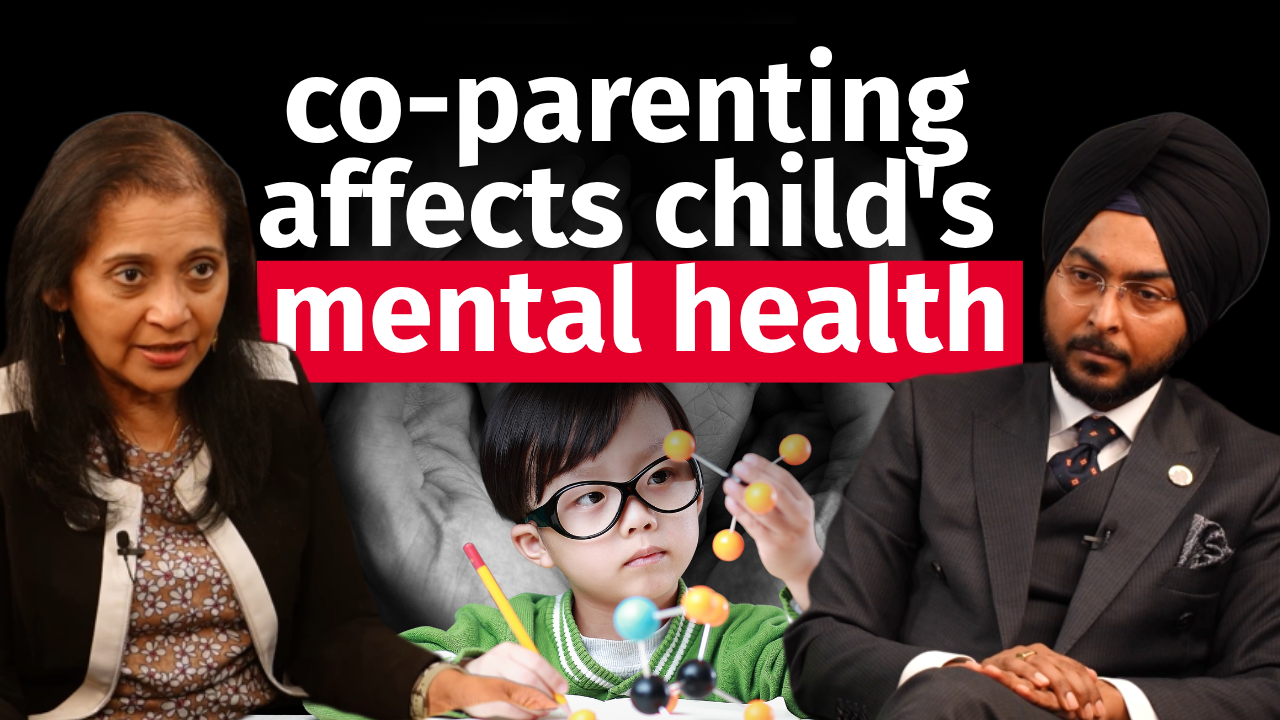
Modern family structures are diverse. Some households have two parents sharing responsibilities equally, while others rely on a single primary carer. There are also blended families and co-parenting arrangements following separation.
These different family dynamics significantly influence a child’s experience of early childhood.
- Stable two-parent households where responsibilities are shared often provide consistent routines and support.
- Single-parent households may involve greater pressure on one individual balancing work, caregiving and household responsibilities.
- Co-parenting arrangements can work exceptionally well when both parents collaborate and prioritise the child’s wellbeing.
- High-conflict separations, however, can create emotional stress that affects children’s sense of security.
Impact on Children’s Mental Health and Development
Research and lived experience consistently show that what matters most for children is not the structure of the family, but the quality of relationships within it.
Children thrive when they experience:
- Safety and emotional security
- Consistent routines
- Responsive caregiving
- Low levels of conflict
When parents whether together or separated maintain respectful communication and focus on the child’s needs, children are more likely to develop resilience and emotional stability.
Conversely, ongoing conflict, inconsistency or neglect can contribute to anxiety, behavioural challenges and long-term mental health concerns.
Where Do We Draw the Line?
So, is early childhood a care sector or an education sector?
The reality is that it is both inseparably intertwined.
Care without education misses opportunities for development. Education without care fails to meet the emotional needs that make learning possible.
The most effective early childhood systems recognise this integration:
- Infants need nurturing care that supports early development
- Toddlers need play-based learning within secure environments
- Preschool-aged children benefit from structured yet flexible educational experiences
Ultimately, the goal is not to draw a line, but to create a continuum that supports children holistically.
Supporting Children in a Complex World
As family structures evolve and societal pressures increase, the role of early childhood services becomes even more vital. These environments are not just places where children are “looked after”—they are spaces where foundations for lifelong wellbeing are built.
Equally, supporting parents whether in intact, single or co-parenting families is essential to ensuring children grow up in safe, stable and nurturing environments.
Join the Conversation
These are complex, deeply important issues that require collaboration, insight and leadership.
We invite you to be part of this vital conversation at the National Child & Family Safety Leadership Summit 2026, taking place on 22nd May 2026.
Join us for a moving and inspiring gathering of professionals, leaders and advocates dedicated to improving the safety, wellbeing and future of children and families.
Together, we can shape a stronger, more supportive world for the next generation.