
The Changing Face of Media: Bias, Transparency and Trust in a Digital Age
In a functioning democracy, the role of independent media is not just important it is essential. A well-informed public depends on the ability of journalists and media organisations to report accurately, hold power to account, and present diverse perspectives. Yet, as media continues to evolve, a pressing question emerges: is today’s media becoming more honest about its biases, or simply changing how those biases are presented?
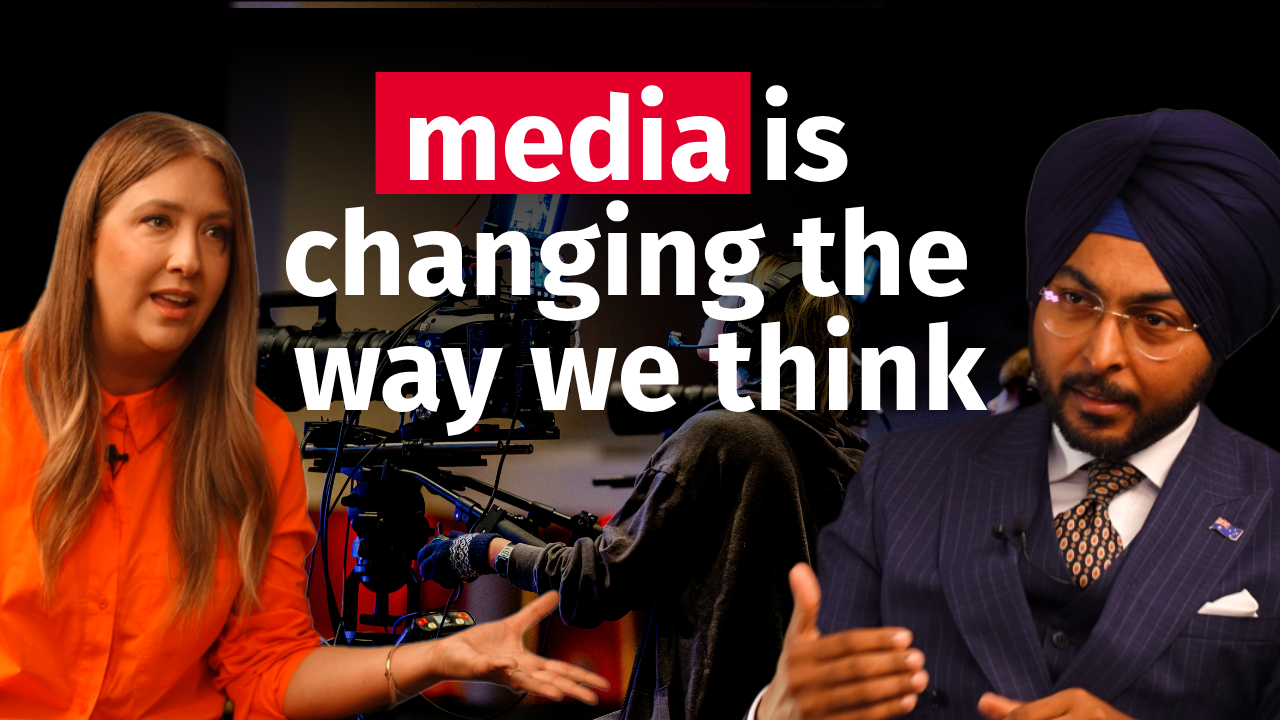
Traditional Media: Implicit Bias and Institutional Trust
For decades, traditional media outlets newspapers, television broadcasters and radio networks have operated under an assumption of neutrality. However, audiences have long suspected that editorial decisions are shaped by ownership structures, political affiliations and institutional priorities.
Rather than openly declaring bias, traditional media often reflects it subtly through story selection, framing, and, at times, omission. This doesn’t necessarily imply deliberate deception. In many cases, it reflects longstanding editorial cultures and the practical need to maintain broad audience appeal.
Importantly, much of this information such as who owns which media outlets—is publicly available. The responsibility has increasingly shifted to audiences to interpret and critically assess the information presented to them.
New Media: Declared Bias and Niche Audiences
The rise of digital platforms, independent creators and social media has disrupted the traditional model. Unlike legacy media, many online voices openly state their viewpoints from the outset.
This transparency can feel refreshing. When a creator says, “This is my perspective,” it allows audiences to engage with content more consciously. However, this openness is not purely altruistic it is also strategic. By clearly signalling their stance, creators attract like-minded audiences, build loyal communities, and strengthen engagement.
Yet, as these platforms mature, a shift is already underway. As creators grow larger and more influential, some begin to resemble traditional media less explicit about bias, more focused on maintaining broad appeal.
Watch the complete Podcast on YouTube.
Is Transparency Really Improving?
At first glance, it may seem that new media is more honest. But the reality is more nuanced.
Traditional media has never been entirely opaque its influences are often well-documented and accessible to those willing to look. Meanwhile, new media’s openness may partly stem from its relative novelty; audiences are still learning who these voices are and what they represent.
Over time, the distinction between the two may blur. As audiences become more media literate and as both sectors compete for attention, transparency will likely become less about declarations and more about trust built over time.
The Role of the Audience: Becoming Critical Consumers
In this evolving landscape, one truth stands out: the responsibility of understanding media bias increasingly lies with the audience.
Education—both formal and informal plays a vital role. As more people gain access to higher education and digital resources, the ability to critically analyse information improves. Media literacy is no longer optional; it is a cornerstone of democratic participation.
Rather than asking whether media is biased (it invariably is), a more useful question is: how do we interpret and engage with that bias?
Entertainment, Attention and the Economics of Media
Another factor shaping media behaviour is the relentless competition for attention. Whether traditional or digital, media organisations must attract and retain audiences.
Declaring bias repeatedly can feel tedious and disrupt storytelling. Similarly, presenting content in an engaging, emotionally compelling way often takes precedence over exhaustive transparency. In many cases, what appears to be concealment is simply a reflection of the need to remain relevant and engaging.
Looking Ahead: A Converging Future
The future of media is not a battle between traditional and new it is a convergence. Traditional outlets are adapting to digital expectations, while online creators are adopting more structured, professional approaches.
What remains constant is the need for integrity, accountability and informed audiences. Transparency may take different forms, but trust will always be the currency that matters most.
Join the Conversation
As we navigate these complex challenges around communication, trust and responsibility, it is vital to come together, share insights and learn from one another.
We warmly invite you to attend the National Child & Family Safety Leadership Summit 2026 on 22nd May 2026. This will be a moving and inspiring gathering of leaders, practitioners and advocates committed to creating safer environments for children and families.
Be part of the conversation. Be part of the change.