Why Purpose Matters More Than “Culture Fit” in Building Stronger Workplaces
In today’s fast-changing workplace, leaders are under increasing pressure to hire well, build engaged teams, and create organisations that can adapt to change. One phrase that often comes up in recruitment and leadership conversations is “culture fit”. While it sounds sensible on the surface, relying too heavily on culture fit can quietly limit innovation, diversity, and long-term success.
The real key to building thriving organisations is not simply finding people who feel familiar it is building teams around shared purpose, values, and meaningful contribution.
The Problem with Overusing “Culture Fit”
Many employers use culture fit as part of their recruitment process. In some cases, it can help when choosing between candidates with similar qualifications and experience. However, using culture fit as the main deciding factor can be risky.
Why? Because culture fit is often subjective.
Too often, “fit” can become shorthand for:
- sounding like us,
- thinking like us,
- having similar backgrounds,
- sharing similar social interests.
This can lead to workplaces becoming too homogenous. When teams are filled with people who all think in the same way, organisations miss out on fresh perspectives, new ideas, and healthy challenge.
A workplace made up of people who are too alike may feel comfortable, but comfort does not always lead to growth.
Diversity of Thought Drives Better Outcomes
Research consistently shows that diverse teams perform better. Different perspectives bring:
- stronger problem-solving,
- more creative thinking,
- better decision making,
- improved resilience in times of change.
True diversity goes beyond demographics. It includes diversity of thought, lived experience, and ways of approaching challenges.
When organisations welcome difference, they create richer conversations and better solutions.
This is especially important in leadership, where difficult decisions often require broad insight and thoughtful discussion.
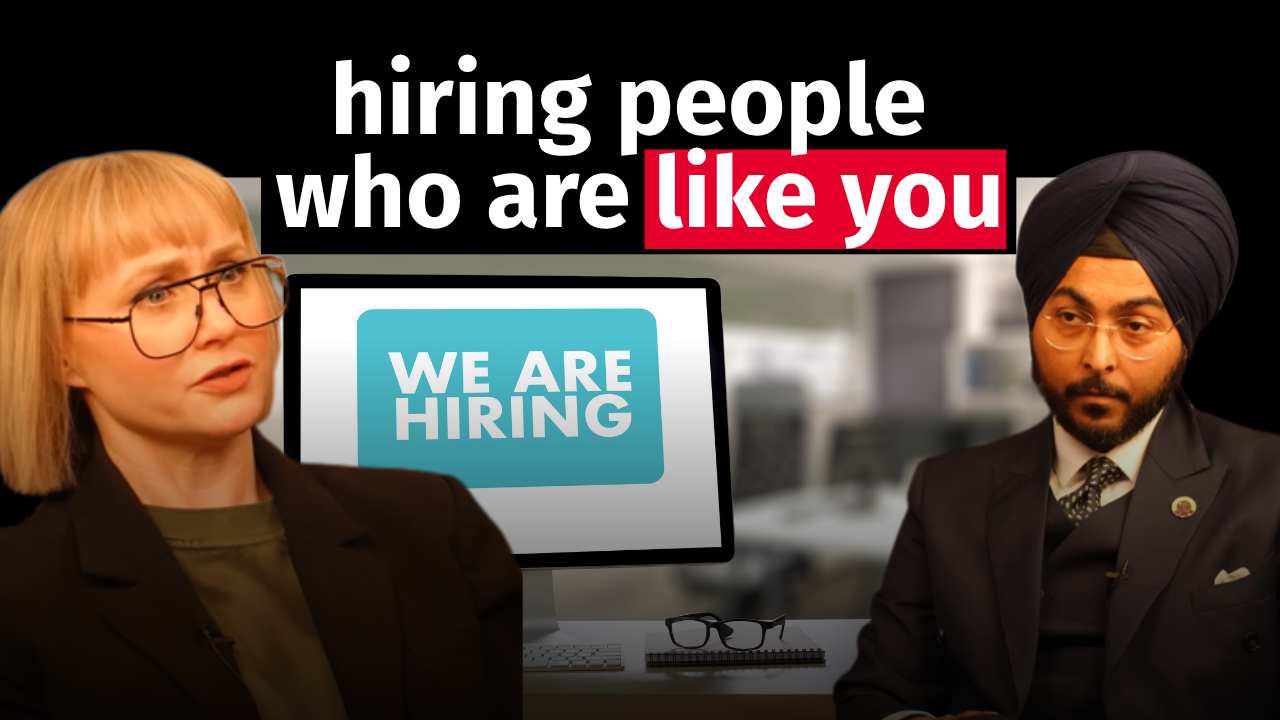
Watch the complete Podcast on YouTube.
Recruitment Should Focus on Capability First
When hiring, the first priority should always be whether someone can do the job well.
That means assessing:
- relevant skills,
- experience,
- attitude to learning,
- alignment with organisational values.
Culture fit should never be used as a vague reason to exclude someone who brings capability and fresh perspective.
A better approach is to use culture as a secondary consideration only when comparing equally qualified candidates and even then, leaders should ask themselves:
Are we hiring for comfort, or are we hiring for growth?
The best person for the role is not always the person who feels most familiar.
Purpose Should Shape Organisational Culture
One of the most effective ways to create strong workplace culture is to focus on purpose.
Every organisation has a reason it exists. Whether it is improving health outcomes, supporting communities, delivering education, or creating economic opportunity purpose should guide everyday decisions.
The challenge is that many organisations talk about purpose once during induction, print it on a wall, and then forget about it.
Purpose only becomes powerful when it is embedded into daily practice.
That means:
- leaders referring to it in meetings,
- teams using it to guide decisions,
- staff understanding how their role contributes,
- values being lived, not just displayed.
When purpose is visible in everyday language and action, people feel more connected to their work.
They understand not just what they do, but why it matters.
Leaders Must Make Purpose Real
Leadership plays a crucial role in turning purpose into culture.
Strong leaders do not simply talk about values they model them.
In practical terms, this means asking:
- How does this decision support our mission?
- Does this help us serve our community better?
- Are we creating an environment where people can thrive?
When leaders consistently link actions back to purpose, it helps teams make stronger decisions and feel part of something meaningful.
Purpose creates clarity. It builds trust. It strengthens culture from the inside out.
Building Workplaces That Truly Thrive
The future of work is not about creating teams full of people who are the same.
It is about creating workplaces where:
- different perspectives are valued,
- inclusion is intentional,
- leadership is purposeful,
- people feel connected to a bigger mission.
Organisations that embrace diversity and purpose are better placed to innovate, adapt, and create lasting impact.
Because strong workplace culture is not about similarity it is about shared commitment to making a difference.
Join Us at Our Upcoming Events
Join Us at the National Child & Family Safety Leadership Summit 2026 will bring together leaders, practitioners, policymakers, researchers and community voices from across the country. This important gathering creates space for meaningful dialogue on the most pressing issues impacting children and families including domestic violence, coercive control, child protection, and community wellbeing.
We look forward to welcoming you to this moving and inspiring celebration of women’s achievements and contributions. Don’t miss this opportunity to hear from one of WA’s most influential scientific leaders, Miquela Riley.