Death Literacy: Why Talking About Death Can Help Us Live Better
Death is the one certainty we all share yet it remains one of the least discussed topics in our homes, schools, and communities. Despite its inevitability, conversations around death, dying, grief, and loss are often avoided, wrapped in discomfort, fear, or cultural taboo.
This silence comes at a cost. Without open dialogue, families are left uncertain, communities feel isolated, and individuals are unprepared for one of life’s most profound experiences. It is time to change that through what is increasingly known as death literacy.
What Is Death Literacy?
Death literacy refers to the knowledge, skills, and confidence needed to understand and engage with issues surrounding death, dying, and bereavement.
It empowers individuals to:
- Talk openly about end-of-life wishes
- Support loved ones through grief
- Navigate practical decisions such as burial or cremation
- Build compassionate, informed communities
Far from being morbid, death literacy is about living more consciously and compassionately.
Breaking the Taboo Around Death
For generations, many cultures have treated death as a subject not to be spoken about. This “death-denying” mindset often leaves people feeling unprepared and isolated when loss inevitably occurs.
Yet avoiding the conversation does not prevent death it only makes it harder for those left behind.
Open discussions allow families to:
- Understand each other’s wishes
- Reduce emotional and logistical stress
- Honour loved ones with clarity and confidence
Talking about death does not bring it closer. Instead, it brings peace of mind.
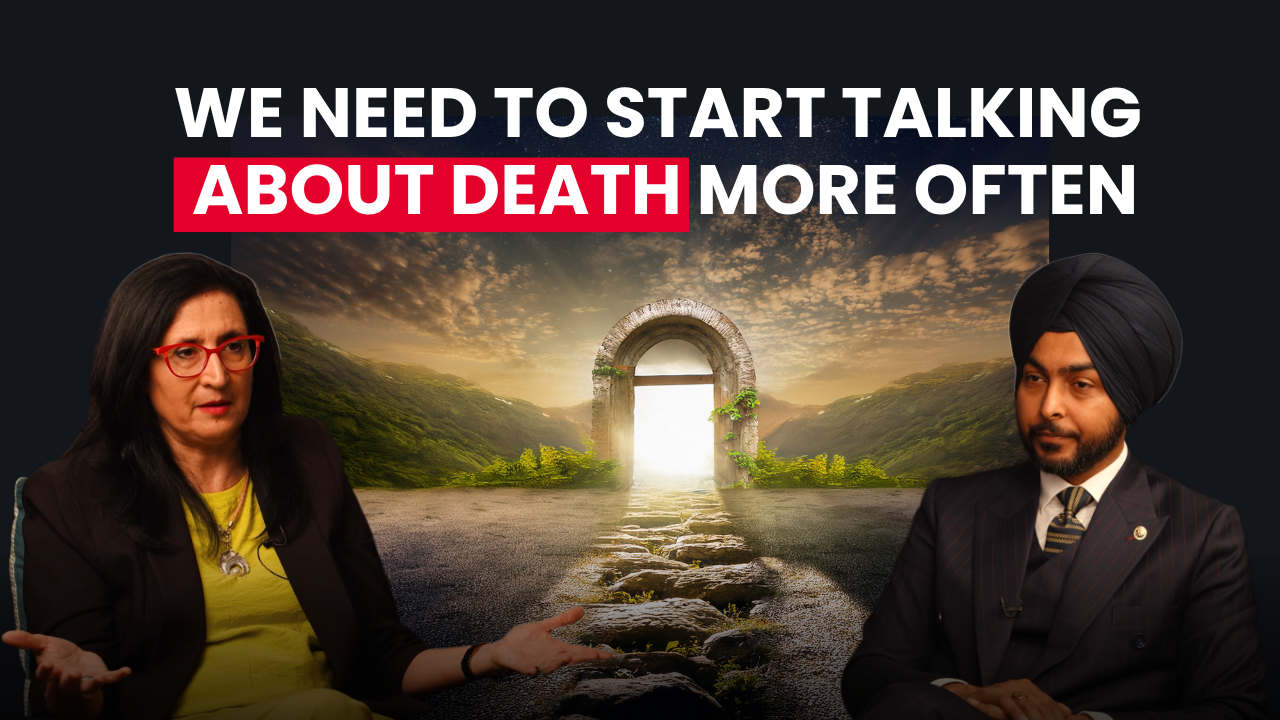
Watch the complete Podcast on YouTube.
The Rise of Compassionate Communities
Across Australia and beyond, a powerful movement is emerging one that encourages open, supportive conversations about death and grief.
Initiatives such as:
- Death cafés
- Grief cafés
- Compassionate community gatherings
are creating safe spaces where people can share experiences, ask questions, and learn from one another.
These spaces are not about sadness alone they are about connection, understanding, and healing.
Interestingly, younger generations are often leading this shift. They are more open, more willing to engage, and more prepared to challenge long-standing taboos.
Why We Must Start Earlier
Death literacy should not begin at the end of life it should begin early.
Introducing age-appropriate conversations in schools and communities can:
- Normalise discussions around loss and grief
- Build emotional resilience
- Encourage empathy and understanding
Just as we prepare for education, careers, and relationships, we must also prepare for life’s final chapter.
Living Better by Accepting Death
When we accept death as a natural part of life, something shifts. We begin to:
- Value our relationships more deeply
- Communicate more honestly
- Live with greater intention
Death literacy is not about focusing on the end it is about enriching the life we have now.
Join Us at Our Upcoming Events
Join Us at the National Child & Family Safety Leadership Summit 2026 will bring together leaders, practitioners, policymakers, researchers and community voices from across the country. This important gathering creates space for meaningful dialogue on the most pressing issues impacting children and families including domestic violence, coercive control, child protection, and community wellbeing.
We look forward to welcoming you to this moving and inspiring celebration of women’s achievements and contributions. Don’t miss this opportunity to hear from one of WA’s most influential scientific leaders, Miquela Riley.