
From Conflict to Community: Why Peace, Women, and Global Resilience Matter More Than Ever
In a world increasingly shaped by geopolitical tensions, migration, and social change, one truth continues to emerge across cultures and continents: people want peace. Not abstract policy debates or ideological divisions but the simple, powerful ability to live safely, raise families, and build communities.
Through firsthand experiences across regions such as Kosovo, Timor-Leste, Sri Lanka, Rwanda, Uganda, and Kenya, a deeper understanding of resilience begins to take shape—particularly through the voices and lives of women.
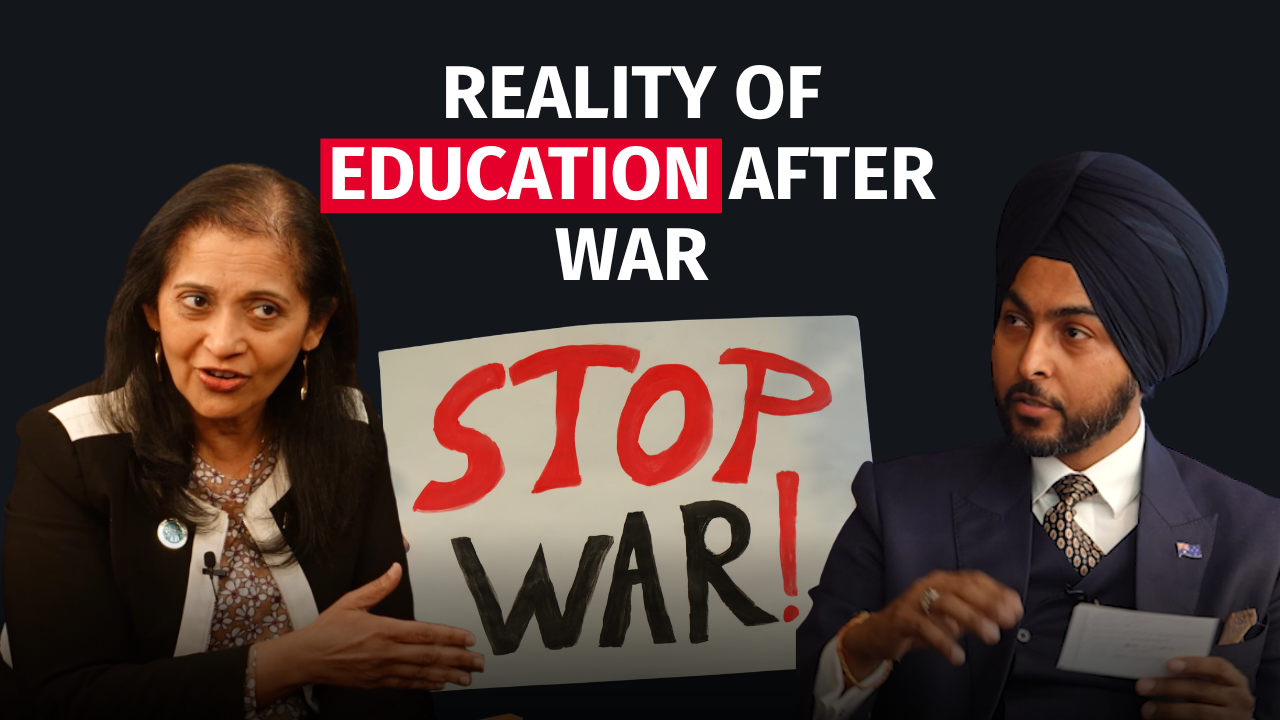
Lessons from Post-Conflict Societies
In regions recovering from conflict, the challenges are rarely limited to infrastructure or governance. They are deeply human.
In Kosovo, the complexities of identity religious, linguistic, and political created barriers not only to communication but to unity. In Timor-Leste, a young nation rebuilding after independence, international collaboration played a critical role in restoring systems of health, education, and mobility.
In Sri Lanka, the reality was even more profound. Entire communities had been reshaped by conflict. Villages existed where women carried the full weight of survival as caregivers, breadwinners, and emotional anchors often without knowing the fate of their loved ones.
And yet, amidst these hardships, one message was consistent:
“We want peace. We want to live with our families.”
The Transformative Power of Peace
Peace is not merely the absence of conflict it is the presence of life.
When peace returns, something remarkable happens:
- Cafés reopen
- Streets fill with conversation
- Families gather in public spaces
- Communities begin to heal
Across every region, regardless of culture or religion, the pattern is the same. Peace restores dignity, connection, and opportunity.
Without it, fear and uncertainty erode not only economies but the very fabric of society.
Watch the complete Podcast on YouTube.
Women: The Unseen Architects of Stability
One of the most powerful insights from these global experiences is the role of women often unrecognised, yet indispensable.
In post-conflict environments, women:
- Sustain families in the absence of men
- Care for children amid uncertainty
- Rebuild community networks
- Carry forward cultural and social continuity
They do this not for recognition, but out of necessity, strength, and resilience.
Whether in Sri Lanka’s conflict-affected regions or in rebuilding nations like Timor-Leste, women have consistently been the quiet force behind recovery and renewal.
Why This Matters Today
In our interconnected world, the lessons from these regions are not distant—they are deeply relevant.
They remind us that:
- Stability begins at the community level
- Peace is a shared global responsibility
- Women’s contributions must be recognised, valued, and supported
If we are to build a more inclusive and resilient future, these voices and experiences must be brought to the forefront of our conversations.
Join Us at Our Upcoming Events
Join Us at the National Child & Family Safety Leadership Summit 2026 will bring together leaders, practitioners, policymakers, researchers and community voices from across the country. This important gathering creates space for meaningful dialogue on the most pressing issues impacting children and families including domestic violence, coercive control, child protection, and community wellbeing.
We look forward to welcoming you to this moving and inspiring celebration of women’s achievements and contributions. Don’t miss this opportunity to hear from one of WA’s most influential scientific leaders, Miquela Riley.