
Energy, AI, and Sovereignty: Why Power is the Real Bottleneck of the Future
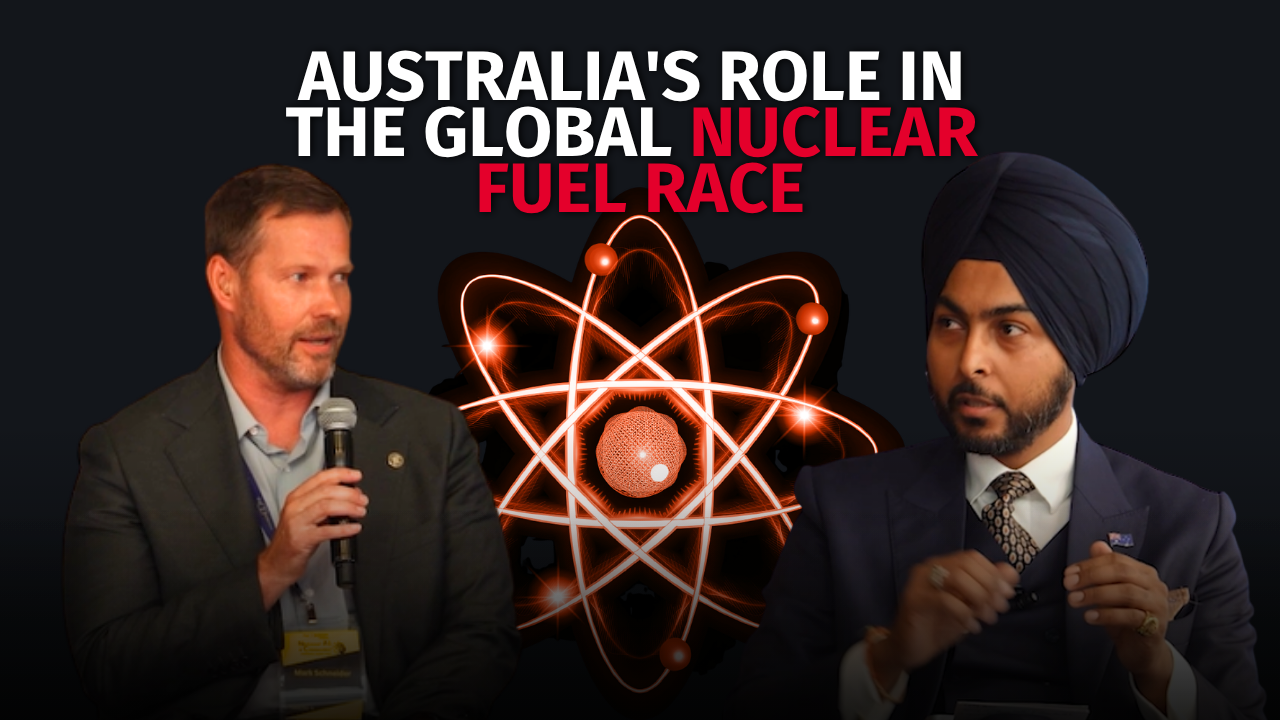
In this conversation, a highly experienced leader with a background spanning nuclear engineering, submarine operations, and aviation brings a rare, grounded perspective to one of the most pressing questions of our time: what truly limits AI and technological sovereignty?
The answer is surprisingly simple and profoundly complex: energy.
The Invisible Constraint Behind AI Growth
As artificial intelligence continues to scale, the conversation often revolves around chips, algorithms, and data. But behind every powerful model and every advanced data centre lies a fundamental requirement electricity.
AI systems, particularly large-scale models, demand enormous computational power. And computation, at its core, is energy-intensive. Without sufficient, stable, and scalable energy sources, the ambition of achieving compute sovereignty the ability for nations to independently power and control their digital infrastructure becomes increasingly difficult.
Data Centres: The New Energy Giants
Modern data centres are no longer just warehouses of servers they are among the largest consumers of electricity globally. As countries invest heavily in AI, cloud computing, and digital infrastructure, energy demand is rising at an unprecedented rate.
This is why global discussions, including those at forums like COP31, are increasingly tied to energy infrastructure decisions.
The reality is clear:
No energy, no compute. No compute, no sovereignty.
Watch the complete Podcast on YouTube.
Nuclear Energy Re-enters the Global Conversation
Around the world, nuclear energy is being reconsidered as a reliable, low-emission power source capable of supporting massive energy needs.
Countries are scaling rapidly:
- India aims to increase nuclear capacity significantly
- United States is planning major expansions
- Global nuclear output is expected to grow substantially in the coming decades
Nuclear energy offers:
- High energy density
- Consistent baseload power
- Low carbon emissions
However, it remains a complex and often contentious topic, particularly in countries like Australia.
Australia’s Untapped Strategic Advantage
Australia holds one of the world’s largest uranium reserves a critical resource for nuclear energy production. Yet, policy frameworks such as the ARPANS Act 1998 have historically restricted nuclear power generation, enrichment, and fuel manufacturing.
This creates a strategic paradox:
- Australia is resource-rich
- But limited in its ability to fully participate in the nuclear energy value chain
Beyond uranium, another key element is zirconium, essential for nuclear fuel rods. Interestingly, these resources are often found together presenting a unique opportunity.
Rather than focusing solely on domestic nuclear power, Australia could position itself as a global leader in:
- Uranium supply
- Nuclear fuel processing
- Export for peaceful energy use
In a world rapidly expanding nuclear capacity, this represents a significant economic and geopolitical opportunity.
Energy as the Foundation of Sovereignty
The conversation reframes sovereignty in the modern era. It is no longer just about borders or defence it is about control over critical infrastructure, particularly energy and computation.
To lead in AI and digital innovation, nations must:
- Secure reliable energy sources
- Invest in long-term infrastructure
- Align policy with technological ambition
Without this alignment, even the most advanced technological ecosystems will face limitations.
A Broader Perspective: Leadership in a Changing World
At its heart, this discussion is about leadership the ability to recognise emerging challenges and act with foresight.
Energy is not just a technical issue; it is a societal one. It intersects with:
- Sustainability
- Economic development
- Equity and access
The decisions made today will shape not only technological progress but also the fairness and inclusivity of that progress.
Join Us at Our Upcoming Events
Join Us at the National Child & Family Safety Leadership Summit 2026 will bring together leaders, practitioners, policymakers, researchers and community voices from across the country. This important gathering creates space for meaningful dialogue on the most pressing issues impacting children and families including domestic violence, coercive control, child protection, and community wellbeing.
We look forward to welcoming you to this moving and inspiring celebration of women’s achievements and contributions. Don’t miss this opportunity to hear from one of WA’s most influential scientific leaders, Miquela Riley.