Rethinking the Welfare State: Can Australia Balance Support with Sustainability?
In recent years, conversations around Australia’s welfare system particularly schemes like the National Disability Insurance Scheme have grown louder and more complex. As the needs of elderly Australians, people with disabilities, and younger generations increase, so too does the pressure on public finances. The central question is no longer whether support is necessary, but how it can be sustained in a way that remains fair, effective, and economically viable.
At its core, a welfare state exists to provide a safety net a collective commitment to ensure that no one is left behind. However, as demand rises across multiple demographics, concerns are emerging about whether the system is expanding faster than the economy that funds it.
The Growing Demand Across Demographics
Australia’s welfare framework now supports a broad and diverse population. From aged care services to disability support and youth assistance, the scope has widened significantly over the decades. What was once a limited safety net has evolved into a comprehensive system — one that reflects a more compassionate and inclusive society.
Yet, with this expansion comes a challenge. Growth in welfare spending is outpacing economic growth in certain areas. This creates a structural imbalance: more people relying on support, while the tax base struggles to keep up.
The NDIS Debate: Opportunity or Overreach?
The National Disability Insurance Scheme was introduced with a clear and noble goal to empower individuals with disabilities and improve quality of life. For many, it has been life-changing.
However, critics argue that the scheme has grown beyond its original projections. There are increasing concerns about inefficiencies, misuse, and the influence of well-organised lobbying groups pushing for expanded funding. While some services are undoubtedly essential, others raise questions about where the line should be drawn between support and excess.
This is not about diminishing the value of care, but about ensuring accountability and long-term sustainability.
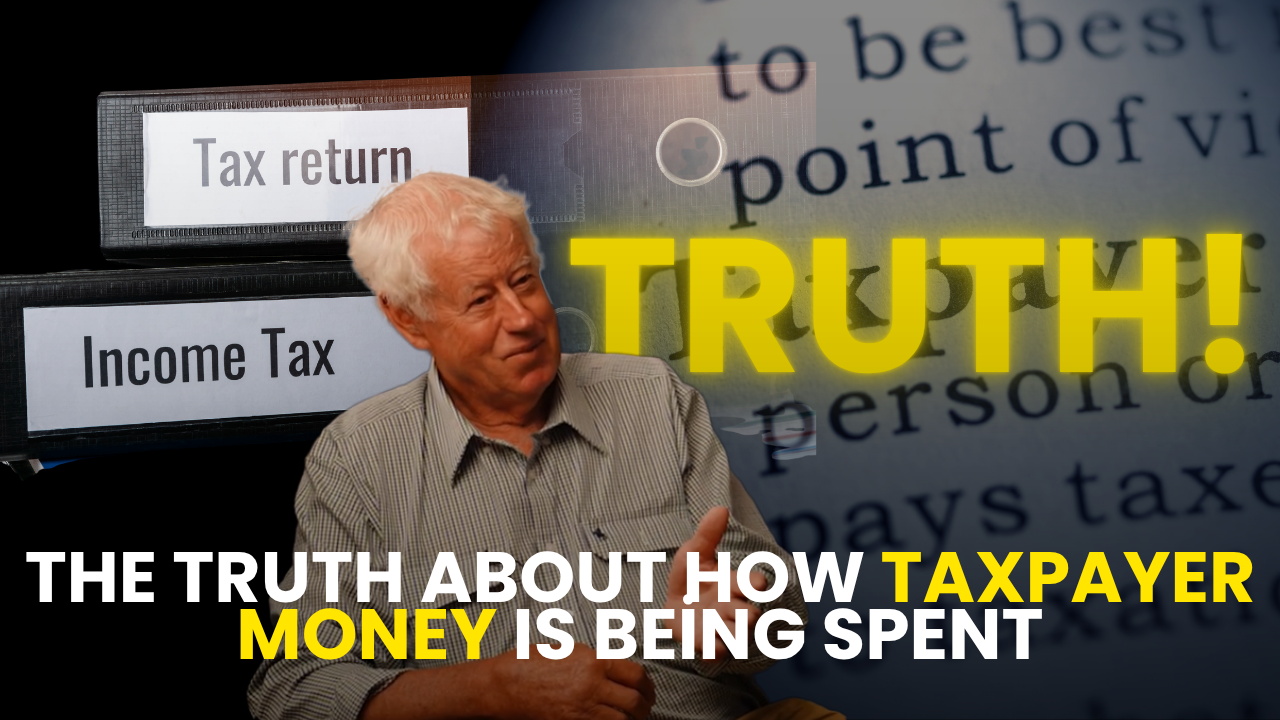
Watch the complete Podcast on YouTube.
Welfare vs Economic Growth: A Missing Link
One of the most striking gaps in the debate is the lack of focus on economic productivity. Public discourse often centres on how funds should be distributed, rather than how they are generated.
A sustainable welfare system depends on a strong, profitable economy. Businesses that grow and succeed contribute through taxes, which in turn fund public services. Without this foundation, even the most well-intentioned welfare policies risk becoming financially unsustainable.
There is a growing argument that Australia needs to shift part of the conversation from “how do we spend?” to “how do we earn?”
Encouraging a More Balanced Approach
A more balanced welfare model would not mean cutting support, but refining it. This could include:
- Ensuring funding reaches those with genuine need
- Strengthening oversight and accountability in major programmes
- Encouraging workforce participation where possible
- Supporting business growth and innovation to expand the tax base
It is also about fostering a cultural shift — one where public dialogue includes not only advocacy for funding, but also ideas for economic growth and self-sufficiency.
A Shared Responsibility
The welfare state is, ultimately, a reflection of collective values. It represents care, solidarity, and a commitment to fairness. But it also requires responsibility from governments, businesses, and citizens alike.
Balancing compassion with sustainability is not easy. It demands honest conversations, thoughtful policy-making, and a willingness to look beyond short-term gains.
Join Us at Our Upcoming Events
Join Us at the National Child & Family Safety Leadership Summit 2026 will bring together leaders, practitioners, policymakers, researchers and community voices from across the country. This important gathering creates space for meaningful dialogue on the most pressing issues impacting children and families including domestic violence, coercive control, child protection, and community wellbeing.
We look forward to welcoming you to this moving and inspiring celebration of women’s achievements and contributions. Don’t miss this opportunity to hear from one of WA’s most influential scientific leaders, Miquela Riley.