
Why Division in Politics Is Costing Us Our Future And What Needs to Change
The Easy Politics of Division
In today’s political landscape, one thing has become increasingly clear: division is easy, but unity is hard.
It is far simpler to place people into categories you belong here, you belong there than it is to bring communities together. Labels create separation. Separation creates conflict. And conflict, unfortunately, often becomes a political tool.
The politics of division thrives on blame. It shifts responsibility away from systems and leadership, placing it instead on groups of people whether based on background, beliefs, or circumstances. But this approach is not only unhelpful; it is deeply damaging.
Real leadership is not about dividing people. It is about building bridges, fostering understanding, and working towards shared solutions.
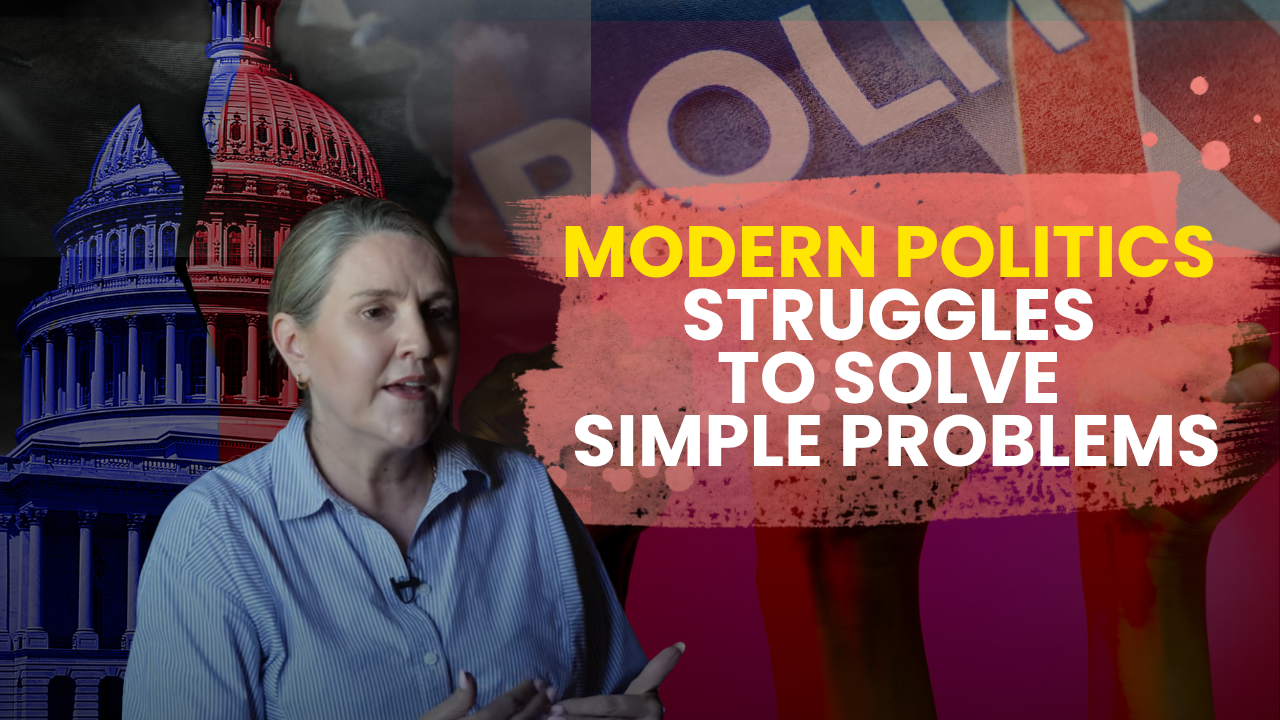
The Real Issue: Short-Term Thinking
One of the most pressing challenges facing modern governance is the dominance of short-term policy making.
Too often, decisions are driven by election cycles rather than long-term national interest. This results in reactive policies rather than proactive planning.
Take the housing crisis as an example. It is frequently framed as a consequence of migration, yet the reality is far more complex. The root causes lie in:
- Lack of long-term infrastructure planning
- Inadequate housing supply strategies
- Failure to anticipate population growth
- Policy decisions shaped by short-term political gain
Without a strategic, forward-thinking approach, these issues compound over time.
Why a Long-Term Vision Matters
Imagine a system where governments planned not just for the next election, but for the next generation.
A clear and committed population policy, for instance, would allow leaders to anticipate growth and prepare accordingly. This means ensuring:
- Housing is available and affordable
- Infrastructure supports expanding communities
- Schools are equipped for diverse populations
- Hospitals and aged care systems are ready to meet increasing demand
These are not radical ideas they are fundamental responsibilities of governance. Yet, without long-term commitment, they remain unfulfilled.
Watch the complete Podcast on YouTube.
When Leadership Loses Its Way
It is often observed that former politicians speak with greater clarity and vision after leaving office. Their speeches reflect insight, courage, and long term thinking.
This raises an important question:
Why were these ideas not implemented when they had the power to act?
The answer often lies in the constraints of party politics, internal divisions, and the pressure to prioritise immediate wins over meaningful change.
This is not just disappointing it highlights a systemic issue within the political framework itself.
Choosing Unity Over Division
The path forward requires a shift in mindset from division to collaboration.
- From blame to accountability
- From short-term gains to long-term vision
- From political labelling to community building
Bringing people together is undeniably more difficult. It requires listening, compromise, and genuine leadership. But it is also the only way to create lasting, meaningful progress.
A Celebration of Leadership Beyond Politics
As we reflect on the importance of unity, vision, and community, it is equally important to recognise those who have quietly led change not always from political platforms, but from within families, communities, and everyday life.
Join Us at Our Upcoming Events
Join Us at the National Child & Family Safety Leadership Summit 2026 will bring together leaders, practitioners, policymakers, researchers and community voices from across the country. This important gathering creates space for meaningful dialogue on the most pressing issues impacting children and families including domestic violence, coercive control, child protection, and community wellbeing.
We look forward to welcoming you to this moving and inspiring celebration of women’s achievements and contributions. Don’t miss this opportunity to hear from one of WA’s most influential scientific leaders, Miquela Riley.