
Introduction
What does it truly take to become a good leader in today’s world? Is leadership something we are born with, or something we learn over time? The answer lies somewhere in between—but increasingly, research and real-world experience suggest that leadership is shaped far more by environment, exposure and conscious practice than by innate ability.
In this insightful conversation, we explore how leadership can be nurtured through empathy, emotional intelligence and meaningful life experiences. Drawing from practical examples within education, particularly programmes designed for young students, this discussion highlights how the right opportunities can transform individuals into thoughtful, community-driven leaders.
At a time when leadership is often reduced to results and authority, this perspective reminds us that the most impactful leaders are those who understand people, value service and lead with purpose.
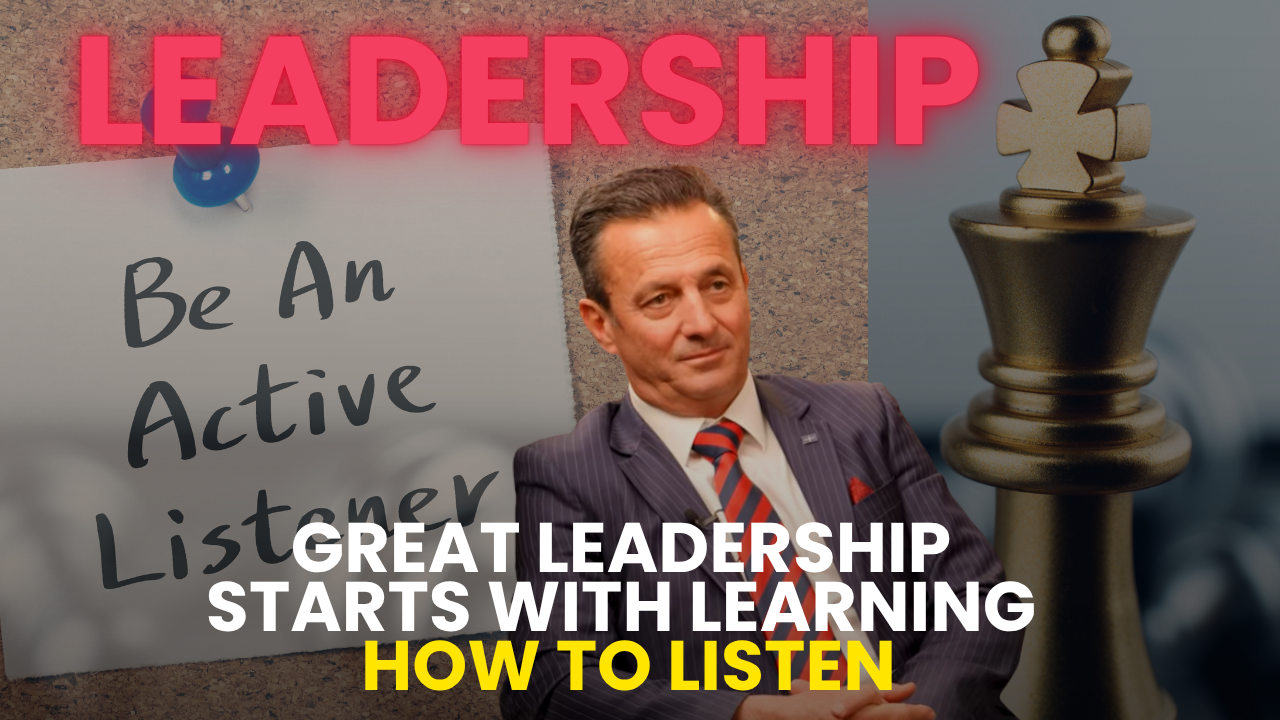
Is Leadership Born or Built?
Leadership is often seen as a natural trait something a person either has or does not. However, a more balanced view suggests that leadership is both innate and developed.
While personality and temperament play a role, it is experiences and opportunities that shape leadership far more significantly. Exposure to different perspectives, challenges and environments allows individuals to grow beyond transactional leadership styles into more meaningful, human-centred leadership.
In essence, leadership is not fixed it evolves.
Why Emotional Intelligence and Empathy Are Essential
One of the most powerful insights from this discussion is the importance of emotional intelligence (EQ) in leadership.
Without empathy, leadership remains basic and transactional—focused on tasks rather than people. The most effective leaders, however, are those who:
- Understand others’ perspectives
- Build genuine relationships
- Respond thoughtfully rather than react impulsively
Empathy allows leaders to connect, inspire and create trust qualities that are essential in any community, organisation or society.
Watch the complete Podcast on YouTube.
The Role of Early Education in Shaping Leaders
Adolescence is a critical stage for leadership development. During this period, young people begin to form their identity, values and worldview.
Educational programmes that focus on self-awareness, leadership styles and social responsibility can have a profound impact. For example, structured initiatives that encourage students to:
- Reflect on their values
- Understand different leadership approaches
- Explore their personality and identity
help lay the foundation for confident and conscious leadership.
Importantly, these programmes emphasise that there is no single “correct” leadership style. Effective leaders adapt to situations while remaining authentic to themselves.
Learning Through Experience: The Power of Exposure
One of the most transformative aspects of leadership development is exposure to diverse life experiences.
When young individuals step outside their comfort zones whether through camps, community programmes or cultural engagement—they begin to see the world differently.
Experiences such as:
- Engaging with people facing homelessness
- Understanding disability through direct interaction
- Learning from Indigenous communities and elders
- Exploring connections to land, culture and history
create a deeper sense of awareness and humility.
These moments are not just educational they are transformational. They shift perspectives, build empathy and foster a sense of shared humanity.
Understanding Privilege and Responsibility
Another key aspect of leadership development is recognising privilege.
For students growing up in supportive environments, it is essential to understand both how fortunate they are and the responsibility that comes with it.
By acknowledging privilege, young leaders are encouraged to:
- Act with gratitude
- Use their opportunities responsibly
- Contribute positively to society
This awareness is crucial in shaping leaders who are not only successful but also socially conscious.
Service to Others: The True Mark of Leadership
At the heart of meaningful leadership lies service.
Leadership is not about status or control it is about making a difference in the lives of others. Encouraging young people to engage in community service fosters:
- Compassion
- Responsibility
- A desire to contribute
When individuals choose to serve without compulsion, it reflects genuine character.
Stories of students voluntarily contributing thousands of hours to community service highlight a powerful truth: when empathy is nurtured, service becomes a natural outcome.
Building a Culture of Leadership
Developing strong leaders is not a one-time effort it requires layers of intentional practice and cultural reinforcement.
A supportive environment that consistently promotes:
- Empathy
- Curiosity
- Reflection
- Service
creates individuals who are not only capable leaders but also compassionate human beings.
Leadership, in this sense, becomes less about authority and more about impact.
Conclusion: Leadership That Truly Matters
In a rapidly changing world, the need for empathetic, thoughtful and community-driven leaders has never been greater.
True leadership is not defined by power or position, but by the ability to understand, connect and uplift others. By focusing on experiences, emotional intelligence and service, we can cultivate a generation of leaders who are prepared not just to succeed but to make a meaningful difference.
Join Us at Our Upcoming Events
Join Us at the National Child & Family Safety Leadership Summit 2026 will bring together leaders, practitioners, policymakers, researchers and community voices from across the country. This important gathering creates space for meaningful dialogue on the most pressing issues impacting children and families including domestic violence, coercive control, child protection, and community wellbeing.
We look forward to welcoming you to this moving and inspiring celebration of women’s achievements and contributions. Don’t miss this opportunity to hear from one of WA’s most influential scientific leaders, Miquela Riley.